Apple is set to introduce a new hardware leasing initiative, Apple Upgrade, on July 28, 2026. This program will allow customers to lease devices such as iPhones, iPads, Macs, and Apple Watches through monthly payments over 24 to 36 months, depending on the product. The financing will be managed by Klarna, a global installment plan provider.
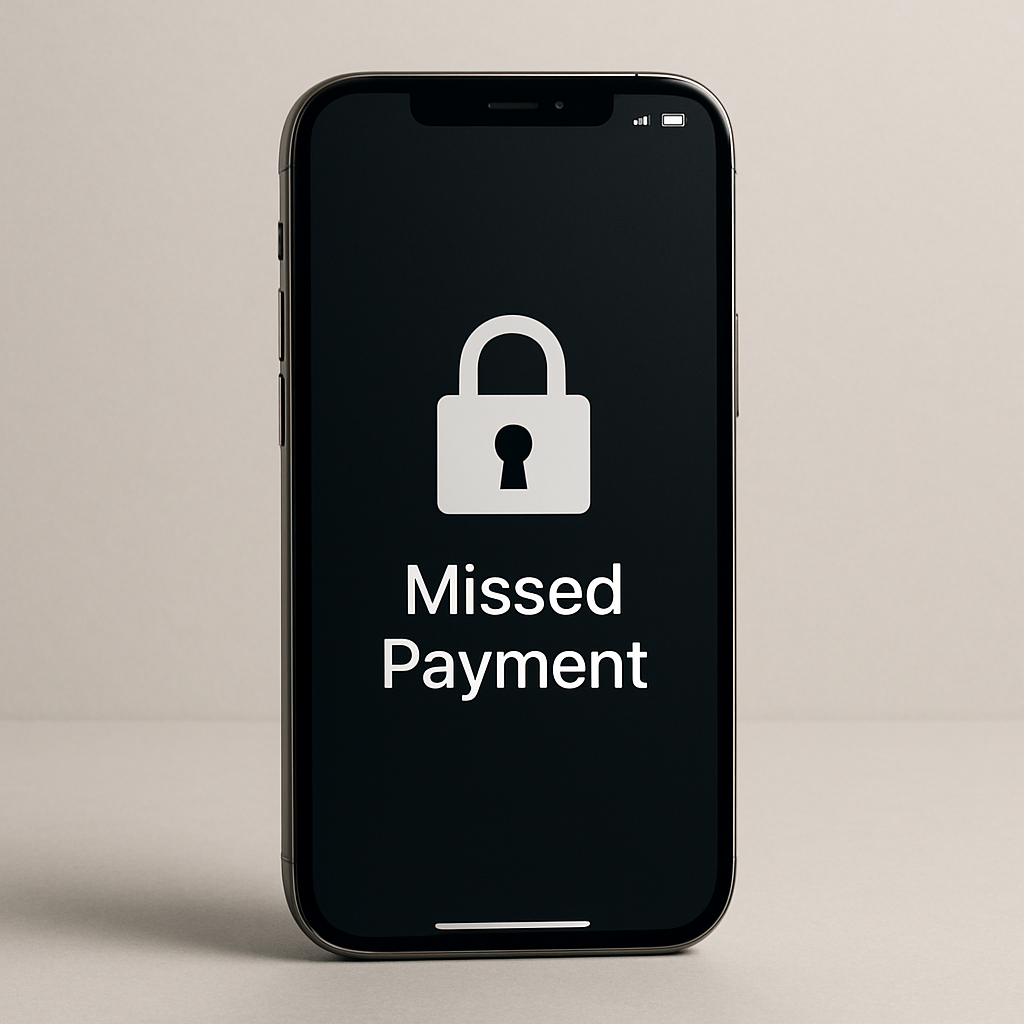
Recent findings in the iOS 27 beta code suggest that Apple may implement a feature to restrict device functionality if a user misses a payment under the Apple Upgrade program. This measure would serve as a deterrent against payment defaults. While specific details are not yet confirmed, it appears that essential applications like the Wallet app might remain accessible even if other functionalities are limited.
Apple’s collaboration with Klarna marks a significant shift in its financing approach. Previously, the iPhone Upgrade Program was financed by Citizens One in the United States and other partners internationally. The new partnership with Klarna, which operates in 26 countries, could facilitate a smoother global rollout of the Apple Upgrade program.
It’s important to note that the Apple Upgrade program will differ from the previous iPhone Upgrade Program in several ways. Notably, AppleCare+ coverage will not be included by default, and certain products, such as the Apple Watch SE, base-level iPad, iPhone 16, and MacBook Neo, will not be eligible for the program. Additionally, the program will not be available for business and education purchases.
As Apple transitions to this new leasing model, customers should be aware of the potential consequences of missed payments, including the possibility of device functionality being restricted. This development underscores the importance of timely payments and careful consideration before entering into such agreements.