Apple is reportedly set to introduce a new leasing initiative called ‘Apple Upgrade,’ which is expected to replace the existing iPhone Upgrade Program. This development brings significant changes to how consumers acquire Apple products, particularly concerning ownership and financial commitments.
The current iPhone Upgrade Program allows customers to finance their iPhone purchases over 24 months, with the option to upgrade to a new model after 12 months. Importantly, at the end of the two-year period, participants own their devices outright, having paid the full cost without additional interest.
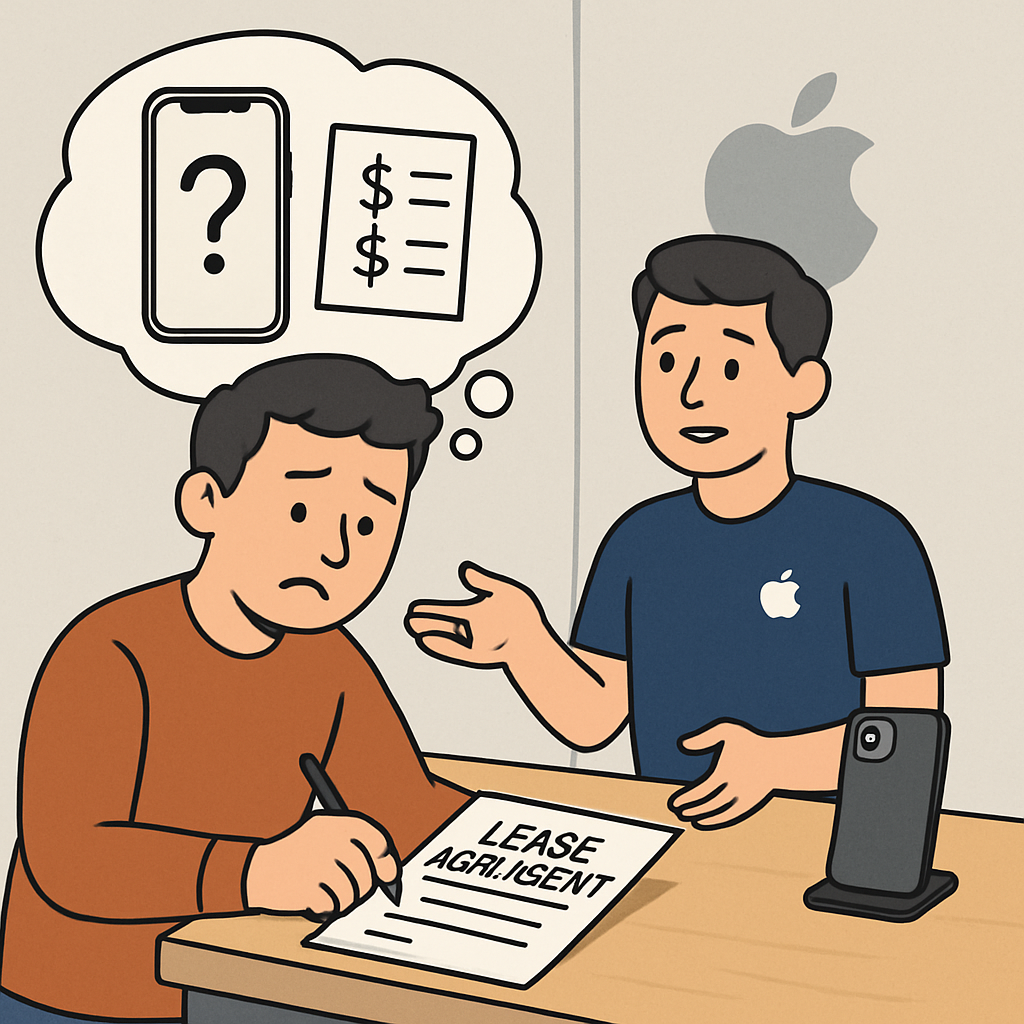
In contrast, the forthcoming Apple Upgrade program is anticipated to function similarly to a car lease. Under this model, monthly payments would cover only the depreciation of the device during the lease term, rather than its full purchase price. Consequently, at the end of the lease—24 months for iPhones and Apple Watches, and 36 months for Macs—customers would not automatically own the device. To retain ownership, they would need to make a substantial final payment, often referred to as a ‘balloon payment,’ representing the remaining value of the product.
While this structure may result in lower monthly payments, making Apple products more accessible to a broader audience, it also raises concerns about long-term financial implications. Customers might find themselves in a continuous cycle of leasing, never achieving full ownership of their devices. This scenario could lead to higher overall costs compared to outright purchases or traditional financing plans.
Another notable change is the exclusion of AppleCare+ coverage from the Apple Upgrade program. Previously, the iPhone Upgrade Program included AppleCare+, providing protection against accidental damage and other issues. Without this coverage, customers may face additional expenses for repairs or replacements, further complicating the financial landscape of leasing.
Additionally, code discovered in the iOS 27 beta suggests that Apple may implement restrictions on leased devices if payments are missed. This system could limit access to certain apps and services, effectively reducing the device’s functionality until the payment issue is resolved. Such measures underscore the importance of timely payments and highlight potential risks associated with leasing agreements.
As Apple continues to evolve its sales strategies, consumers must carefully consider the implications of these new programs. While lower monthly payments and access to the latest technology are appealing, the potential for perpetual leasing cycles and additional costs warrant thorough evaluation. Prospective participants should assess their financial situations and long-term goals to determine whether the Apple Upgrade program aligns with their needs and preferences.