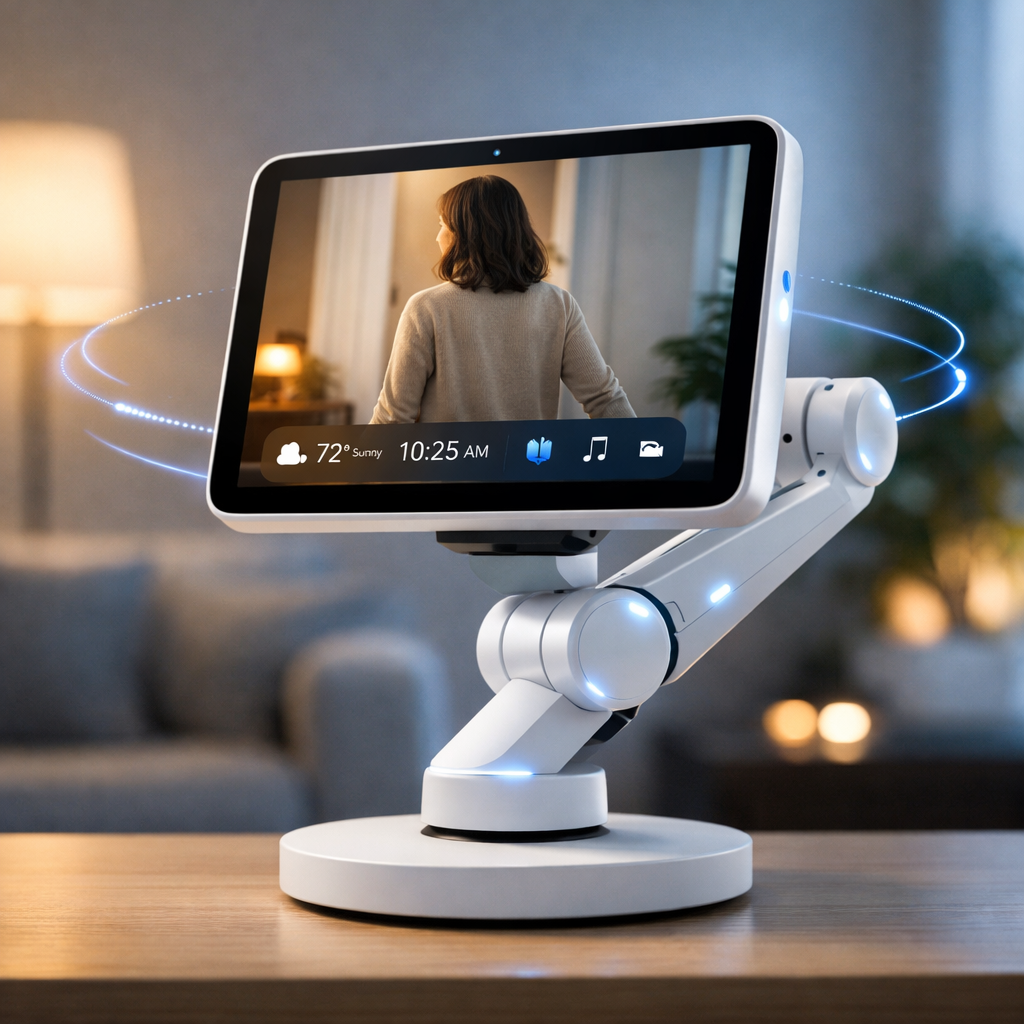
Apple is reportedly developing a new high-end robotic home device called the HomeView Ultra, which is expected to arrive in 2027 or possibly 2028. Designed to combine screen, sensors, AI, and robotics, the product represents a step up from the HomeView devices already arriving in users’ homes.
Specs, Design & Robotics Features
The HomeView Ultra is described as having a nine-inch display attached to an articulating arm that can swivel—something likened to the Pixar lamp. It’s built around robotics engineering: the arm is meant to follow a user around a room, and the device will include cameras and sensors for environmental awareness. It’s expected to avoid obstacles and act autonomously, for example turning on lights when someone enters a room. Early visions included use for video calls, but later plans expanded to broader AI-powered tasks including simple commands like persuading a cat off a table.
Origins, Development, & AI Ambitions
Initial work on this project began back in 2019 under the codename J595. Originally scoped as something modest—primarily for video conferencing with a mobile arm—the device’s ambitions shifted as Apple executives pushed for stronger artificial intelligence integration. While hardware development is said to be largely finished—reportedly completed around two years ago—the software remains a work in progress. It’s the AI side of things that’s now slowing down the timeline toward release.
Pricing & Release Window
Pricing for the HomeView Ultra is expected to land in the neighborhood of $1,000, though that could increase depending on component costs across markets. Apple is reportedly planning to use the “Ultra” branding for the device. As for launch timing, 2027 appears likely, though a delay into 2028 is possible depending on how software and manufacturing priorities unfold.
For context, this isn’t Apple’s first foray into home tech. The standard HomeView line, launching imminently, covers core smart display and assistant features. The HomeView Ultra adds robotics and autonomous AI smarts, positioning it as a bold evolution in Apple’s smart-home strategy.
What to watch for: how robust the AI and robotics features prove in real use, whether Apple can meet the expected price point without cutting corners, and how consumer appetite is for a device that blends screen, camera, AI, and moving parts. If the Ultra version delivers on its promises, it could reshape expectations for smart home hardware.