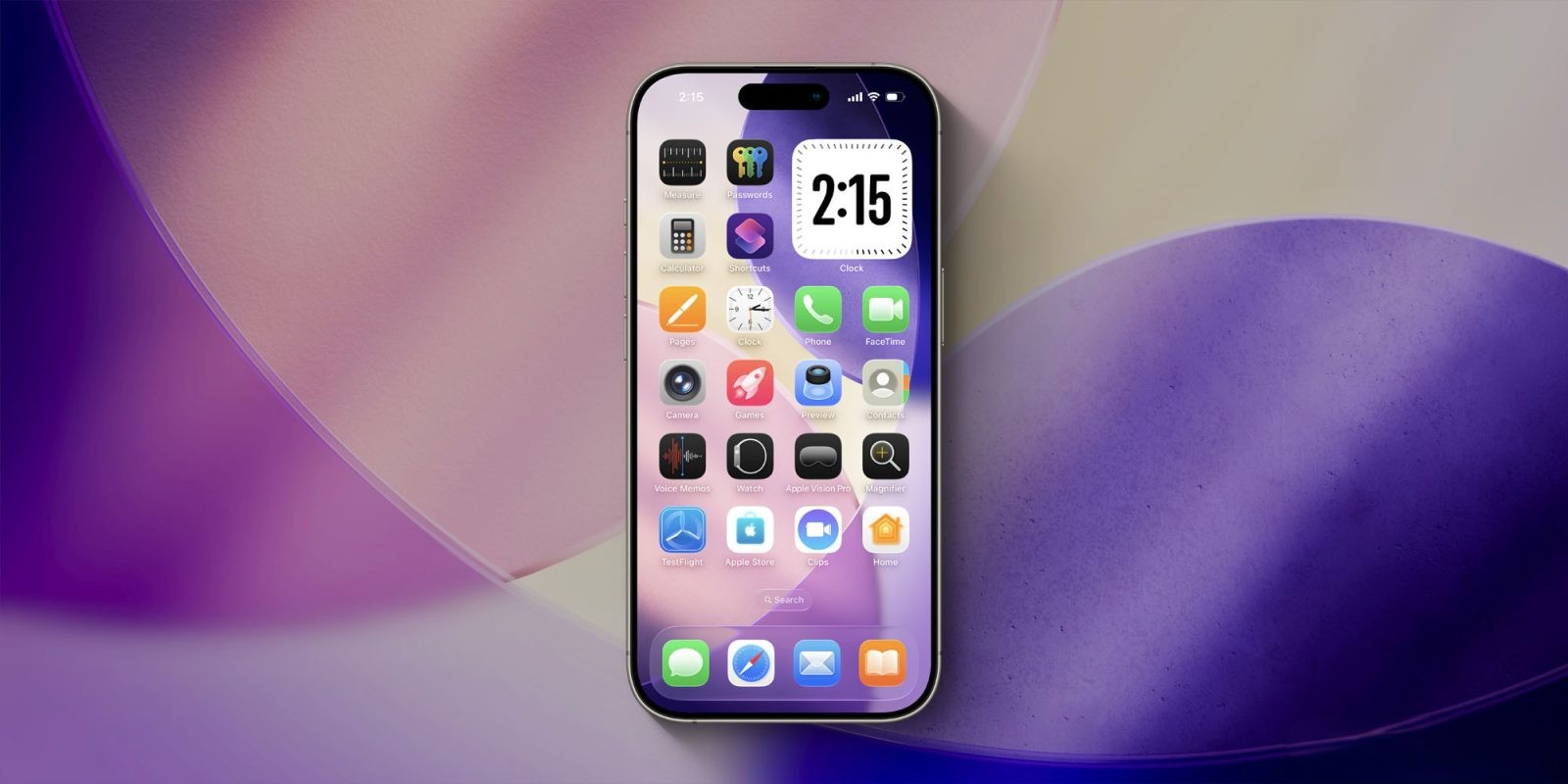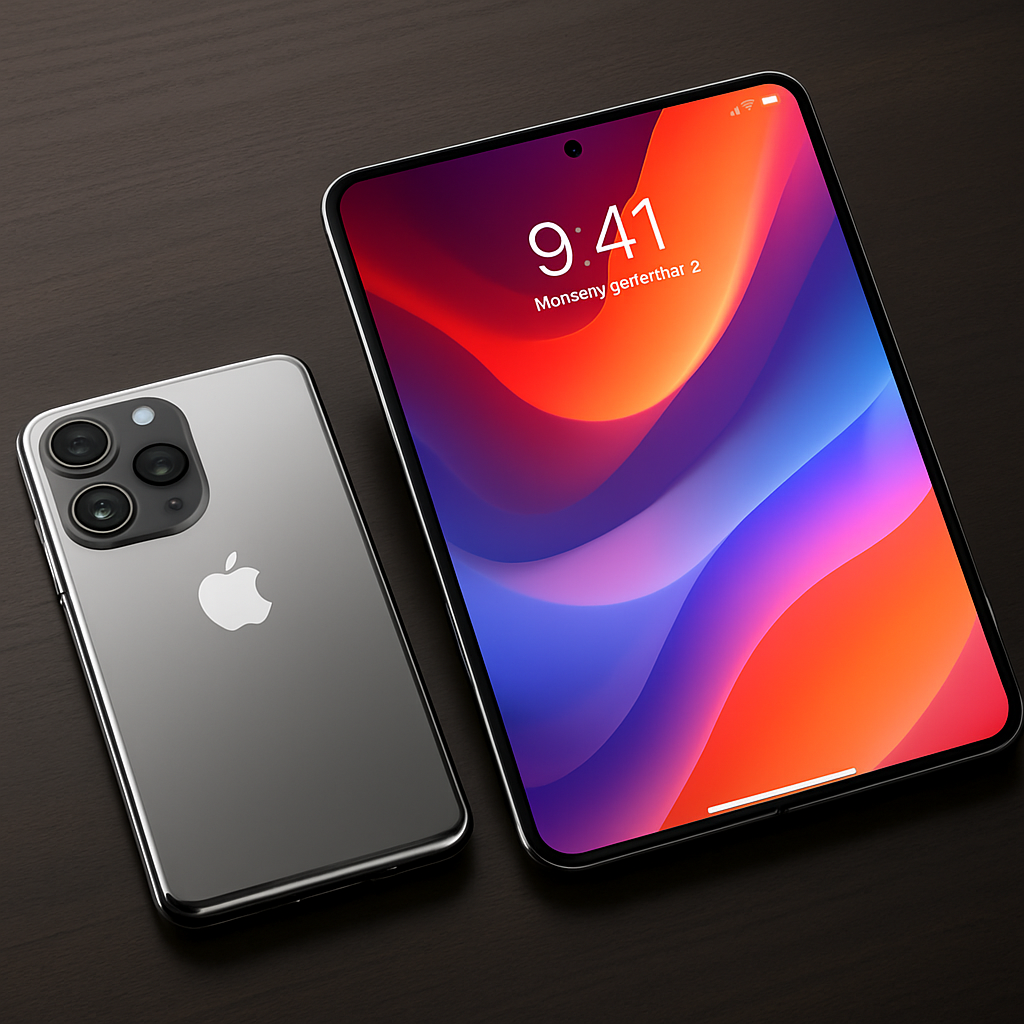
Apple is set to unveil its first foldable iPhone, reportedly named the ‘iPhone Ultra,’ at its upcoming September event. This device marks a significant milestone in Apple’s product lineup, introducing a new form factor to the iPhone series.
However, the launch strategy for the iPhone Ultra involves a staggered release. The United States will be the first market to receive the device, with other regions following in subsequent months. This phased rollout is attributed to supply constraints and pricing considerations, which have influenced Apple’s decision to prioritize certain markets initially.
The iPhone Ultra is anticipated to feature a 7.8-inch inward-folding display, offering users a larger screen experience in a compact form when folded. The device is expected to include dual rear cameras, Touch ID for biometric authentication, and a durable hinge mechanism. Notably, it may lack some features found in other high-end models, such as a telephoto lens, Face ID, and MagSafe compatibility, due to design limitations.
Pricing for the iPhone Ultra is projected to be between $2,000 and $2,500, positioning it as one of Apple’s most expensive iPhones to date. This premium pricing reflects the advanced technology and engineering required for the foldable design.
Apple’s entry into the foldable smartphone market comes as competitors like Samsung and Google have already established their presence with devices such as the Galaxy Z Fold and Pixel Fold. The introduction of the iPhone Ultra is expected to intensify competition in this segment and could influence the adoption of foldable technology among consumers.
While the initial release will be limited to the U.S., Apple plans to expand availability to additional markets over time. Consumers in regions outside the U.S. may need to wait several months before the iPhone Ultra becomes available in their area.
Apple’s approach to the iPhone Ultra’s launch reflects a cautious strategy, balancing innovation with logistical and market considerations. The staggered release allows Apple to manage supply chain challenges and gauge consumer response in its primary market before a broader rollout.