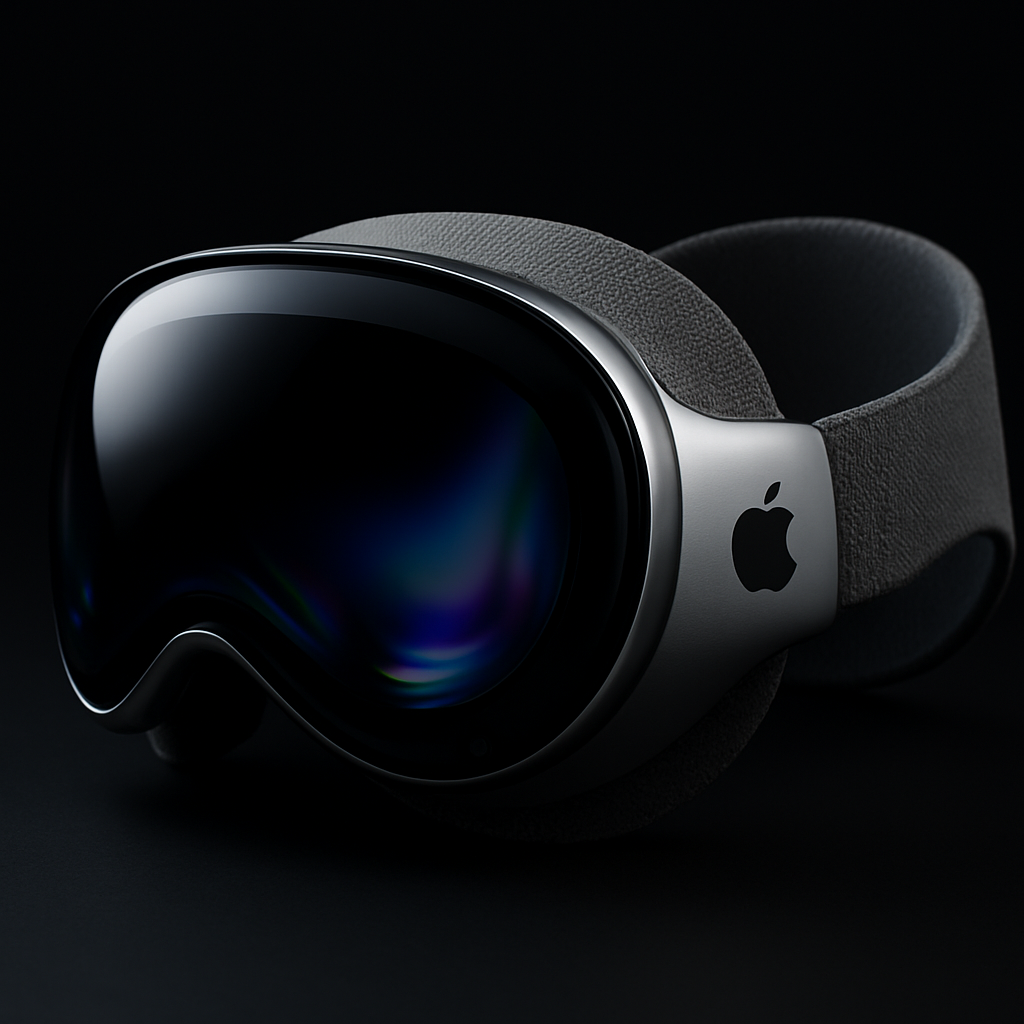
More than a year in, the Apple Vision Pro with M5 remains a powerhouse—but anyone hoping for a richer app ecosystem or major software evolution might be disappointed. Despite the update from M2 to M5, many of the original problems persist: slow content growth, limited developer buy-in, and a high price tag that keeps it firmly in niche territory.
What’s improved: hardware and experience
The upgrade to the M5 chip is meaningful. It drives full-resolution displays at higher refresh rates, keeps widgets responsive as you turn your head, and makes multitasking—think multiple Safari tabs, background apps—far more stable than before. The new Dual Knit band also shifts the comfort equation. It spreads pressure more evenly, making headset sessions far easier on the neck. While weight remains noticeable, the right band makes a world of difference.
Content and media usage still remain strengths. For immersive video, 3D photo and panorama viewing, and cinematic-style video playback—especially sports events in MLB or NBA—Vision Pro delivers in ways most AR or VR devices struggle to match. It remains the go-to headset for high-fidelity visuals.
What hasn’t changed: app support, games, and momentum
Here’s where stagnation clearly shows. Aside from the new Siri AI app and visionOS 27, very little is fresh. Apple Creator Studio landed and quietly faded away without delivering any Vision Pro-specific apps. iPad apps are still not running natively on the Vision Pro, leaving many users to rely on compatibility modes or sideloaded software.
Gaming, which should have been a key driver of engagement, remains sparse. A single remaster of Thrasher with PSVR2 support stands out but largely because other titles are still languishing without updates. When games are active, most changes are minor fixes rather than new experiences. Apple Arcade still fills some gaps, but layoffs in gaming and immersive video departments threaten growth even there.
Even productivity tools—another strong reason to own the Vision Pro—are underdelivered. Editing photos and videos still requires moving to Mac or installing third-party apps instead of using native Vision Pro versions. Built-in features like Find My are missing, and common interface frustrations—like disappearing keyboards in immersive view—are still unresolved quirks.
Where things go from here
Apple isn’t stepping away—but its focus is clearly broadening. This headset might be more of a stepping stone than an end product. Rumors suggest a thinner, lighter successor may arrive around 2028 or early 2029. VisionOS, while still largely tied to this expensive hardware, is now seen as the company’s long game in spatial computing. Smart glasses and AirPods with cameras are taking up more of Apple’s development bandwidth for now, but both may benefit from innovations honed on Vision Pro.
Meanwhile, price has creeped up; the M5 model now starts at $3,699, which creates a high barrier even for enthusiasts. Given the slow pace of new app development and shaky investment from Apple’s internal teams, this platform feels more like polished hardware floating in an ocean of untapped potential.
Vision Pro with M5 still leads in visual clarity and immersion. But it’s a device more ready for those who already believe in Apple’s vision of spatial computing, rather than newcomers seeking productivity or gaming justification. Unless an unexpected breakthrough in app momentum or content level arrives soon, this year looks likely to be much like last: technically impressive, creatively sparse.
Analysis: The Vision Pro with M5 is a classic case of hardware pulling ahead of software. Apple has built something remarkable, but its value depends on the ecosystem catching up. For spatial computing to shift from niche to mainstream, developers need incentives, users need compelling native apps, and Apple must clearly commit to iterating both platform and content faster. What to watch: whether Apple announces more upside in visionOS 28 or 29 and whether a successor device actually launches on schedule. If not, Vision Pro risks being forever seen as trailblazing—but unfulfilled.