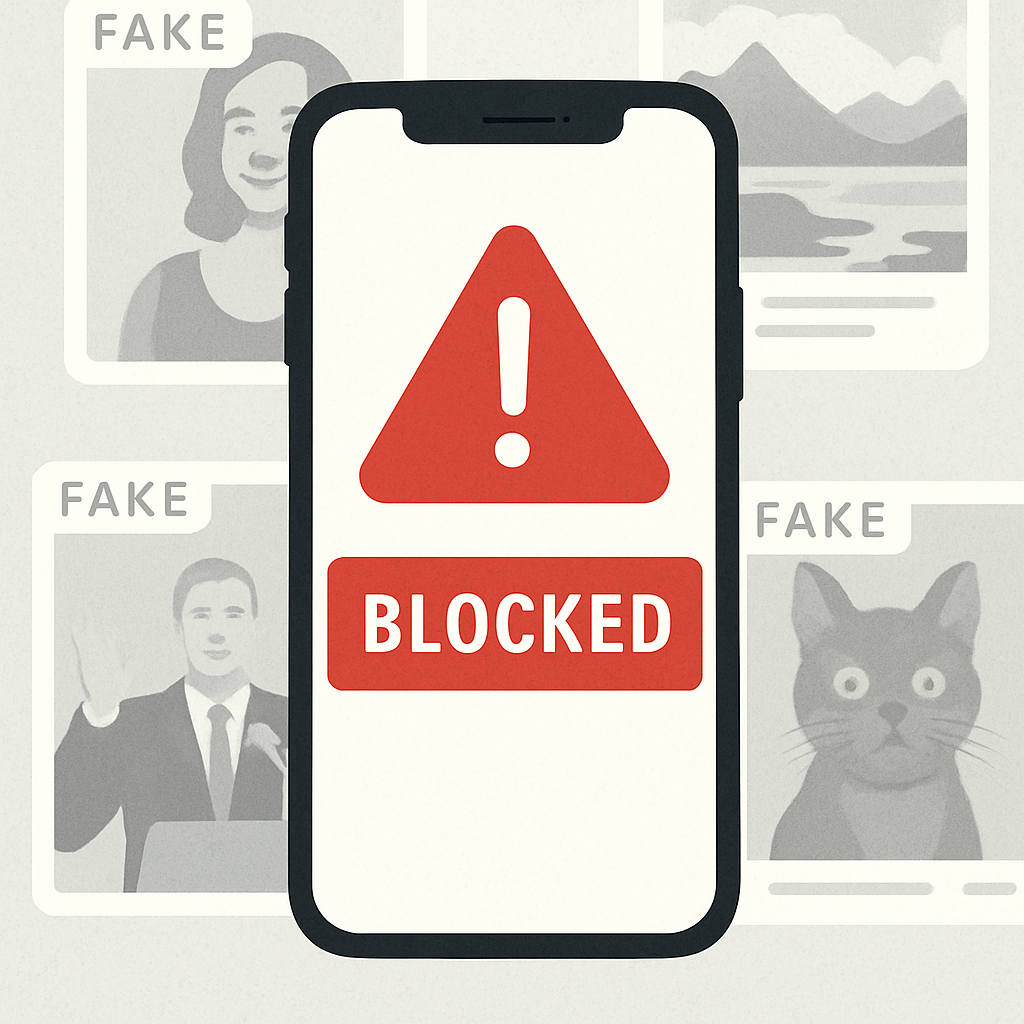
Apple has expanded its App Store moderation policies, introducing new rules aimed squarely at AI-generated deepfakes and non-consensual intimate imagery. These updates force developers to actively prevent the creation or distribution of AI-generated sexual content involving real people without their consent. Failure to comply could lead to app removal or termination from the Apple Developer Program.
What’s Changed?
The changes come in two major additions to Apple’s guidelines. First is an updated clause in Rule 1.2 that explicitly targets apps generating AI-powered deepfakes, particularly those creating intimate or nude images without consent. Second, Apple added guideline 2.5.19, which focuses on “nudification” tools—apps that conceal a feature during the review process only to reveal it later. These bait-and-switch tactics are now prohibited.
Prior to these changes, sexually explicit content was already banned on the App Store. But the new rules require that developers take proactive measures: designing their apps so that disallowed AI-generated content is blocked, and removing it if it appears.
Enforcement and Notable Cases
Apple has already flagged apps like xAI’s Grok for using its chatbot to produce nude or sexualized deepfake imagery. The regulatory pressure forced Grok to incorporate safeguards and submit revisions before regaining approval. With the updated guidelines, any similar failures to address deepfake issues could result in removal from the store.
Part of the revision also targets apps that misrepresent their functionality during review—advertising innocuous features but secretly including tools that create deeply problematic content. That behavior will now be detected and penalized under the 2.5.19 rule.
Moreover, the new policies widen Apple’s ban on apps facilitating human trafficking or child exploitation, including via external or alternative distribution channels. Apps or developers found violating these areas may face removal or termination from Apple’s platforms.
What Developers Should Do
Developers must clearly disclose all functionality during the App Store review process. Any feature that could generate non-consensual intimate or sexual content needs robust safeguards. Testing for hidden features or surprise behavior is now riskier than ever. Some apps may require updating—or even rebuilding—to comply.
Apple’s full updated guidelines are now posted for developer reference. These rules apply to all apps in the App Store, and Apple reserves the right to remove apps and terminate developer accounts for non-compliance.
These changes come as the proliferation of AI tools raises ethical concerns over privacy, consent, and image abuse. Apple is leaning into its role as gatekeeper, setting boundaries for deepfake creation. For users, this aims to reduce harm; for developers, it means triage between innovation and responsibility.