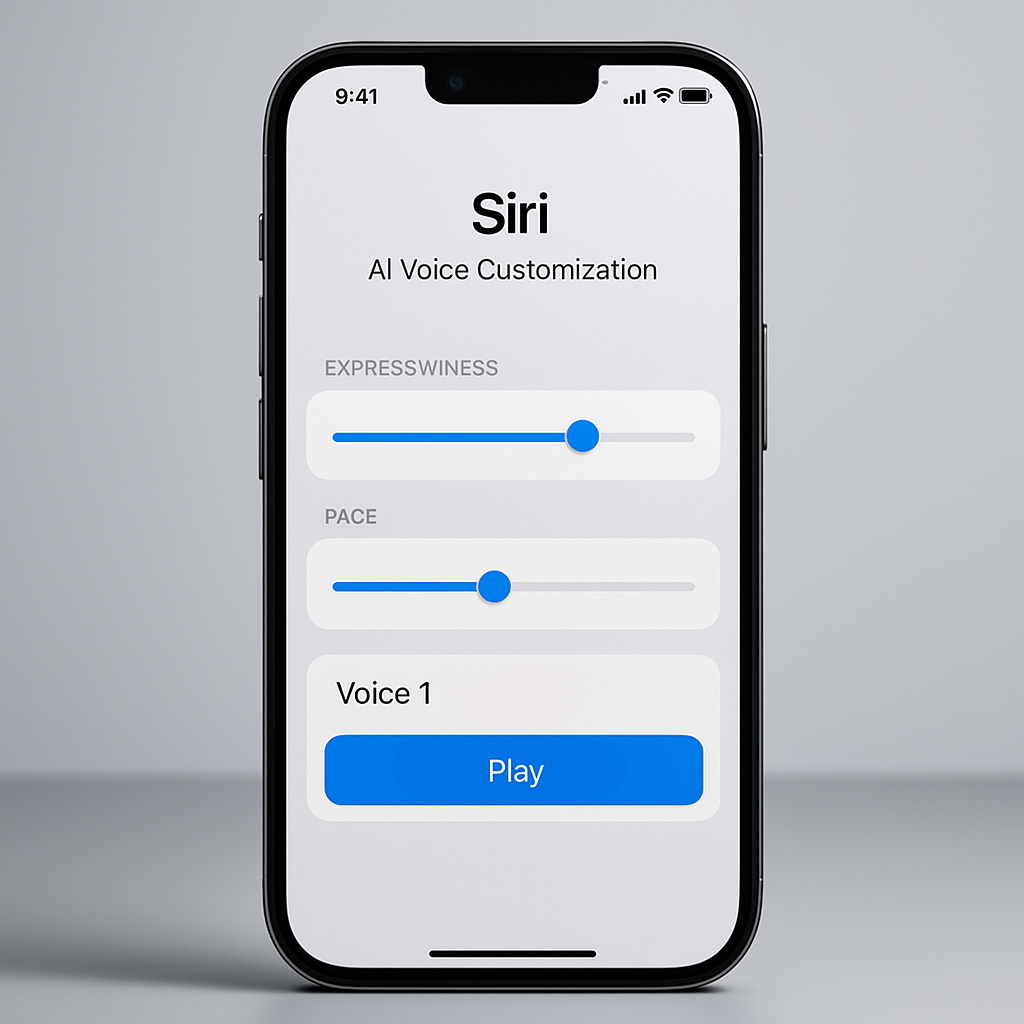
Apple’s senior vice president of worldwide marketing, Greg Joswiak, says that Apple Intelligence and the upgraded Siri AI aren’t meant to cater only to tech obsessives. Rather, their purpose is to serve everyday users who want smarter tools in their daily lives. These remarks come amid criticism that Apple has lagged behind peers in the AI arms race.
For years, critics have voiced concerns that Apple hasn’t kept pace with rivals in artificial intelligence. The latest Siri AI improvements have quieted some of that pushback. Speaking with Time magazine, Joswiak emphasized that while the company appreciates enthusiasts who praise experimental systems like Claude or Grok, Apple isn’t designing for them. The goal is to make AI more accessible and useful to normal, everyday people, not the extreme edge of AI fandom.
When asked if targeting general users risks alienating hardcore AI fans, Joswiak didn’t express concern. He said Apple feels confident in the work done so far, especially the deep integration across its hardware and software ecosystems. That, Joswiak believes, gives Apple an edge when delivering experiences that genuinely feel seamless and helpful.
The comments were made during a Time cover story focused on Apple’s newest CEO, John Ternus, exploring how Ternus’s 15-year journey led to the creation of the iPhone Duo. That device, announced on September 9, 2026, is now set for pre-orders beginning October 16, with shipping slated to start October 23.
Why Apple’s Strategy Matters
Apple Intelligence is Apple’s broader AI strategy, combining improvements to Siri, machine learning on-device, privacy protections, and system-wide intelligence enhancements. These moves contrast with rivals whose AI tools often emphasize large language model showcase demos or thrill-seekers chasing bleeding-edge tech.
By positioning AI for the mainstream rather than the “lunatic fringe,” Apple is tapping into a broader but less vocal audience that may ultimately matter more: millions of people who want smarter phones, not sci-fi assistants. If Apple can make AI feel more reliable, private, and tactile in everyday tasks—voice commands, suggestions, smart replies—it may build lasting loyalty.
Challenges Ahead
Playing to the middle ground isn’t risk-free. AI fanatics—early adopters, developers, and power users—can generate buzz, pull in media attention, and push boundaries of what’s possible. Ignoring them entirely could limit Apple’s perceived innovation. But building for the mainstream demands polish, consistency, and conservative trade-offs, especially around safety, explainability, and privacy.
Apple’s approach also means decisions like how to tune Siri’s performance, how much edge-case behavior to tolerate, and how much transparency to provide. These are subtle but impactful choices, shaping whether everyday users see AI as helpful tools rather than unpredictable curiosities.
Apple’s declaration—to craft AI for more than just early adopters—isn’t just PR. It’s a signal of where the company plans to invest its AI energy. If successful, Siri and Apple Intelligence won’t be niche features for enthusiasts; they might set new standards for what mainstream AI should feel like.