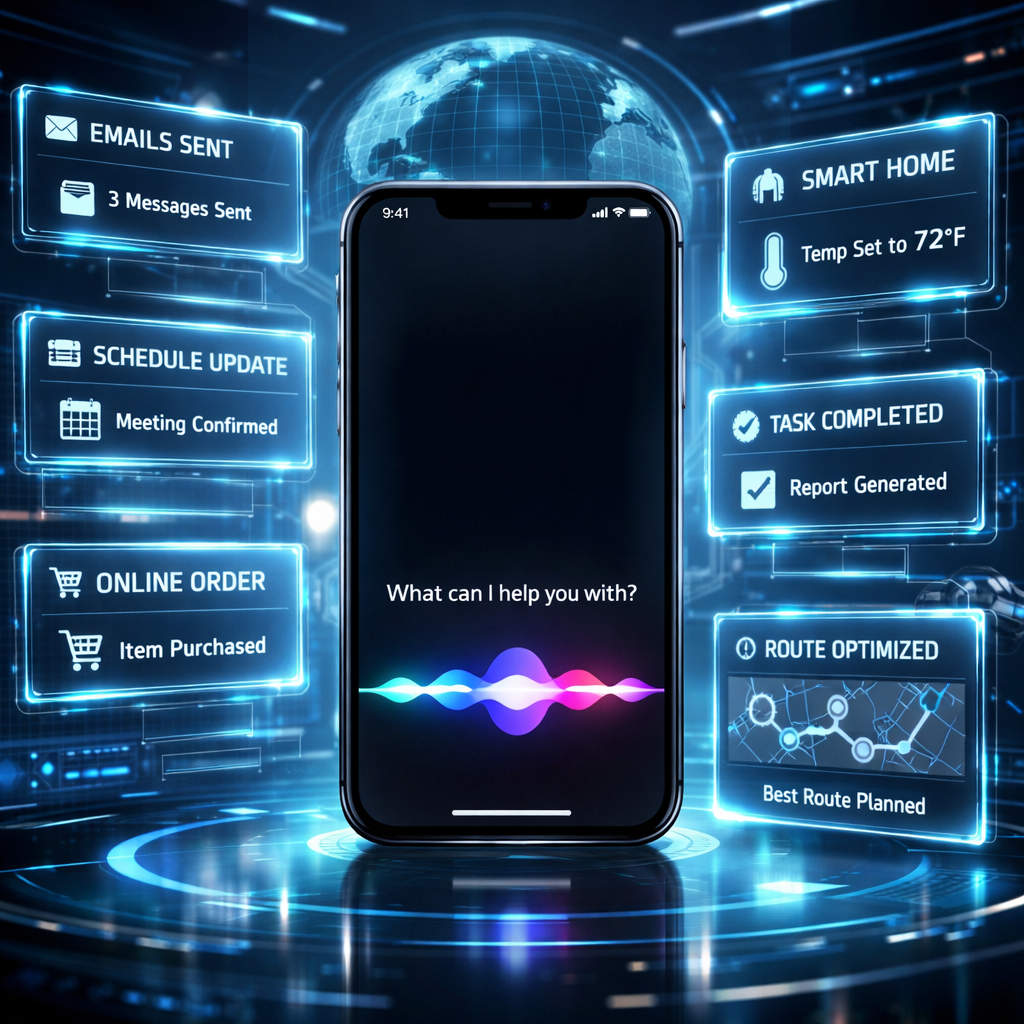
Apple is reportedly preparing to evolve Siri into an “agentic” assistant by as early as 2027. Rather than just responding when asked, this version of Siri would take initiative—making decisions and acting in the background toward goals without needing specific instructions for every task. Internally, the push reflects growing expectations around AI assistants to feel proactive, rather than purely reactive.
What’s Changing—and When
The goal is for Siri to track ongoing objectives, figure out the steps needed, and carry them out—much like virtual agents already offered by other tech players. Apple is also refining how it builds software internally to hit that every-day intelligence more quickly. For example, in the iOS 28 development cycle, Apple’s engineering teams will shift from the usual four-week split of coding and integration to six weeks focused on coding, experimentation, and feature development, followed by two weeks of final integration.
This internal rejigger is driven in part by the rising capabilities of “agentic” AI tools in the wider industry, tools that demand more freedom for features to grow organically before they’re polished. Engineers reportedly appreciate the extra breathing room for creativity and exploration.
Why It Matters
Since the launch of personalized Siri in iOS 27, Siri remains limited in its ability to act without being expressly told what to do. But the competitive landscape has changed rapidly—new tools and agents can proactively monitor progress toward goals and automatically take steps in the background. To stay relevant, Apple appears ready to double down and deliver an assistant that doesn’t just wait, but thinks ahead.
The risk: getting agentic AI right is hard. Apple must balance utility with control, privacy, and avoiding the chaos that comes when an assistant takes action automatically. Delivering the right model will require strong under-the-hood AI safeguards and predictable behavior.
This push fits into Apple’s broader strategy of embedding stronger AI capabilities throughout its ecosystem—Siri, App Intents, and beyond. By giving Siri autonomy over tasks and goals, Apple could reduce friction around iPhone, iPad, and Mac usability, making voice or AI-driven workflows more seamless.
For users, agentic Siri could mean fewer micromanaged steps—Siri could plan your schedule, follow up on reminders, or auto-execute parts of multi-step tasks. But when it arrives, it needs to feel intuitive and trustworthy—not just smart for its own sake.
Why this matters: transforming Siri from assistant into agent marks a turning point. As consumers expect more autonomy in AI tools, Apple is under pressure to deliver. What to watch for: official previews tied to iOS 28, concrete demos of Siri taking initiative, and clear policies around control and privacy. Done right, this could be Apple’s most ambitious leap forward in assistant tech. Done wrong, it risks undermining trust or overpromising.