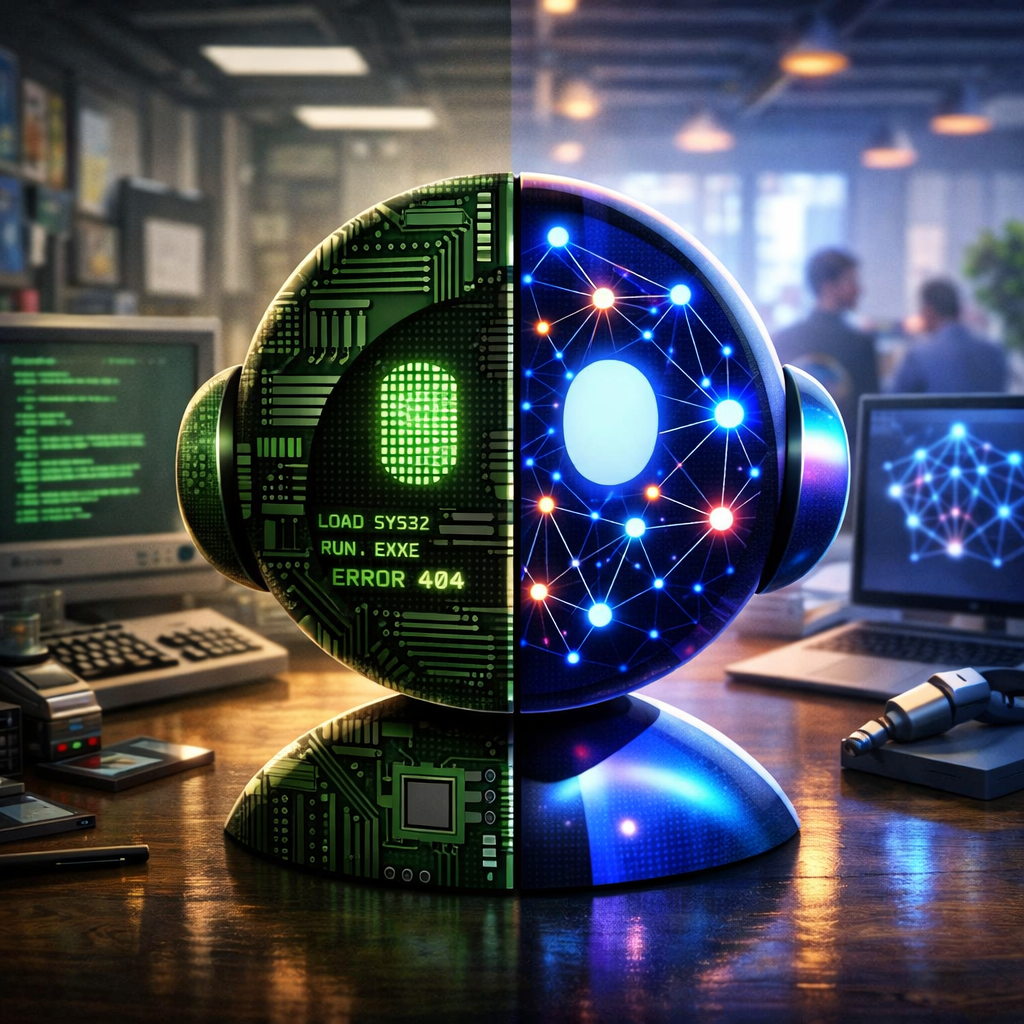
Apple’s recent cuts to its Siri team focused on personnel tied to older components of the digital assistant’s architecture, while the staff driving its newer AI projects avoided layoffs. This shift underscores how Apple is redirecting resources toward what it views as the future of Siri. Meanwhile, despite this refocus, Siri continues to wrestle with issues like sluggish responses, limited integration with third-party apps, and problems with dictation.
The internal shakeup comes amid growing pressure from rivals that roll out updates and improvements at a breakneck pace—far faster than Apple’s annual operating system releases. One major concern inside Apple is that its internal project scheduling process—named releases A through G—locks in feature roadmaps months in advance, leaving little room to pivot when competitors surprise the market. Key decisions tend to be firmed up by late summer or early fall for the following year.
New AI Agent on the Horizon
Apple is working on a more advanced AI agent that could reshape how Siri operates. But it isn’t expected to ship until late 2027. When it does arrive, it aims to deepen Siri’s ability to understand and manage multistep tasks using multiple Apple apps, expanding what it can do beyond basic voice commands and into more conversational, task-driven territory. Third-party app support, meanwhile, is anticipated sometime in 2027.
The multistep control feature for built-in Apple apps is set to roll out in December. This stepping stone adds to Apple’s broader strategy of gradually building toward the kind of agent-like functionality that dominates current discussions in generative AI.
Siri’s Persistent Frustrations
Though the newer AI infrastructure remains shielded from workforce cuts, the legacy systems underpinning Siri have become a liability. Users have flagged Siri’s long response times, limited ability to work with third-party tools, and worsening performance in dictation. These issues are seen internally as obstacles to improving competitiveness with AI services that update models and systems far more swiftly.
Apple’s defensive levers—privacy reputation, platform reach, tight integration with its hardware—may give it an edge. But inertia in release cycles and internal roadmap planning present growing risk. The lag between internal decision-making and market shifts offers competitors windows to take the lead.
As Apple pivots toward more dynamic AI capabilities, it has to balance long-standing strengths—privacy, hardware-software harmony—with the demand for agility in AI development. How Apple adjusts its engineering practices and speeds up iteration will be critical in determining whether Siri can evolve from a voice assistant into a competitive AI agent by 2027 and beyond.