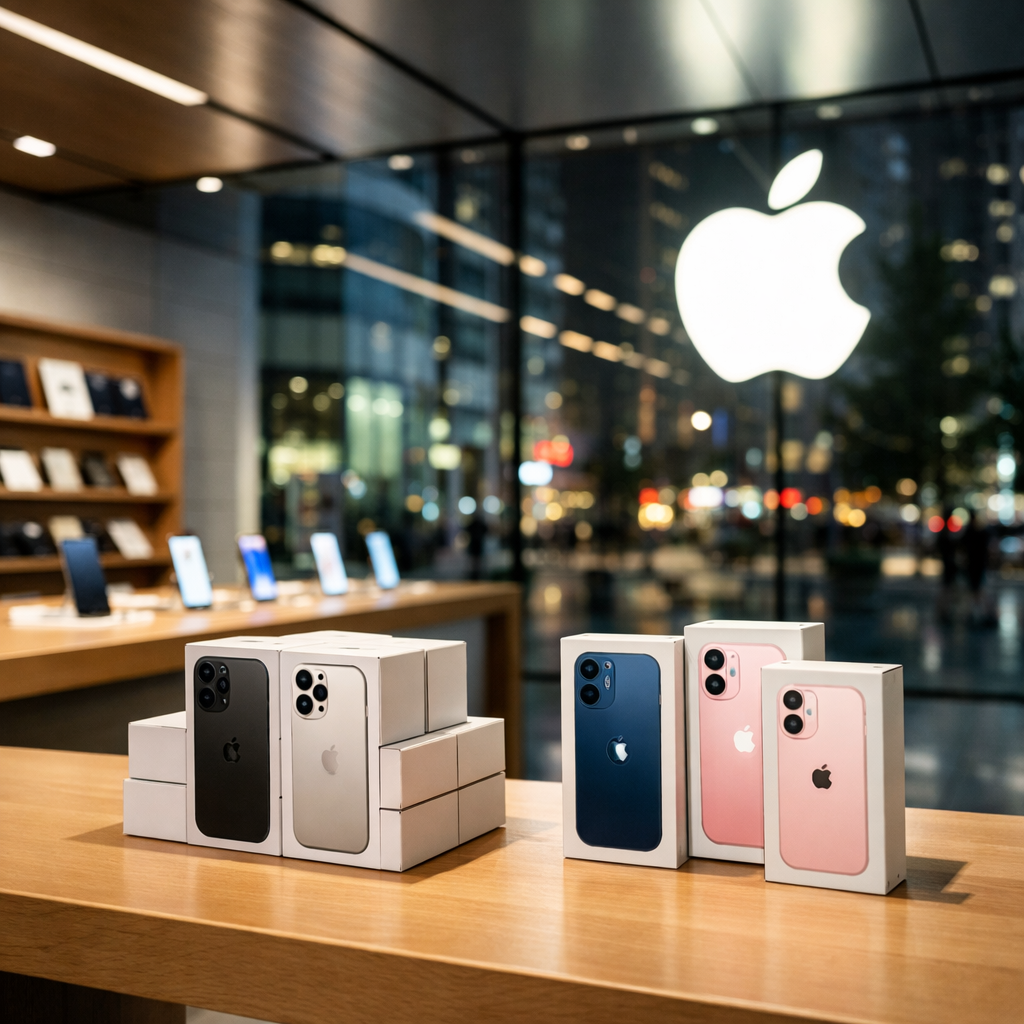
Apple devoted roughly 80% of its initial iPhone Duo inventory to its own retail stores — yet many locations received as few as 50 units each. This includes some smaller stores, while flagship locations held up to 250 units, and the iconic Fifth Avenue store was supplied more heavily than most.
The distribution strategy partly explains what shoppers saw on launch weekend. While most people who joined the in-store line were able to walk away with a Duo in hand, pre-orders were being pushed back as far as late January almost immediately after going live on October 16.
Demand and Supply: An Unusual Split
According to supply chain insiders, big stores were stocked at relatively high levels. In contrast, standard retail outlets often got just 50 units. Flagship stores, beyond Fifth Avenue, had quantities closer to 250 — indicating Apple prioritized high-traffic or prestige locations in its initial rollout.
On launch day, walk-in customers at many Apple Stores were rewarded by having units available, even while online order timelines stretched far into the future. Apple has described demand for the Duo as “nothing short of extraordinary” and promises that it’s working to fulfill orders as fast as possible.
Pricing Highlights
The iPhone Duo starts at $1,999 in the U.S. for the 256GB model. Storage upgrades carry a hefty premium: 512GB is $2,199, 1TB is $2,599, and 2TB tops out at $3,199. The same tiers apply in the UK, priced in pounds with figures mirroring the U.S. structure.
This pricing underscores the Duo’s position as a high-end, niche device aimed at early adopters or those seeking Apple’s most premium offering.
What This Means for Buyers
Folks who queued at Apple Stores had a significant advantage over those relying on pre-orders. With many pre-orders already delayed, in-person purchases became one of the few paths to actual availability. Even stores receiving minimal stock could give priority to walk-ins ahead of online buyers.
That said, customers who ordered online may still see their delivery date move earlier if Apple manages to increase production; current estimates are not guaranteed.
Broader Context
The iPhone Duo is Apple’s latest flagship device in the ultra-premium category. Its price point puts it at the high end of the smartphone market. That, paired with limited initial supply and strong demand, recalls previous Apple launches where scarcity amplified demand and created long wait times.
Apple’s decision to channel most stock into physical stores suggests confidence that in-person launches still carry weight—both for creating buzz and delivering an exceptional customer experience. But it also highlights changes in consumer behavior: many buyers are now willing to wait weeks or months to get a device rather than get it immediately.
On pricing, Apple’s storage tiers reflect a trend across the tech industry: offering base models that are relatively limited in storage, then charging significant premiums for larger capacities. For those considering buying the Duo, what you pay for storage could be nearly half again what you’d pay for just upgrading from 256GB to 2TB.
Analytical Take: This rollout strategy suggests Apple is intentionally creating scarcity to generate hype, particularly around premium, high-margin products. Limited unit allocation per store balances risk — avoiding stockpiling in low-demand areas — while pushing customers toward flagship locations or online pre-ordering. For buyers, this means that persistence (either physically or via alerts) could pay off. For Apple, the launch reflects a tightrope walk: thrill the brand loyalists with premium access, but don’t frustrate the wider customer base with excessive delays. Going forward, how quickly Apple can ramp up supply and how much of that supply it makes available outside flagship stores will be key to whether this launch will be remembered as mastered or mismanaged.