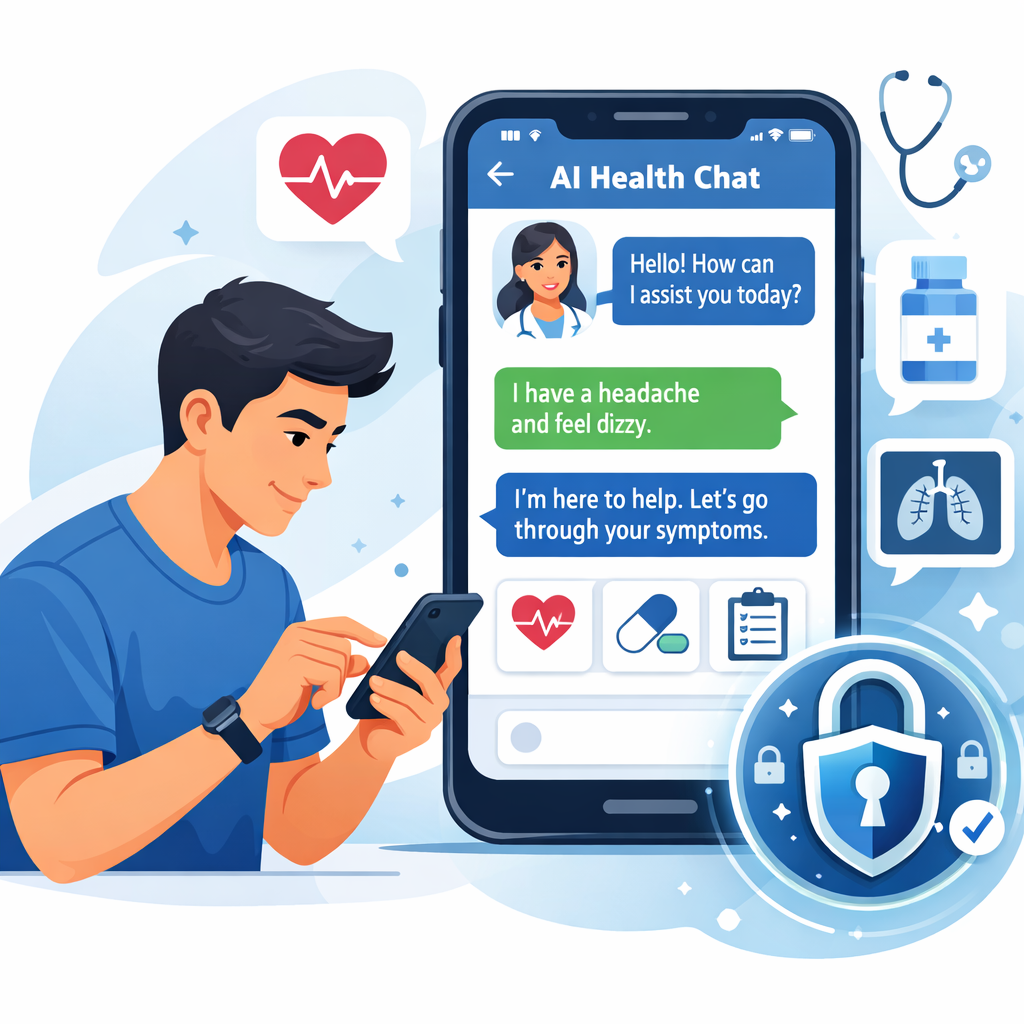
Apple is rolling out a new option to ask health-related questions of an AI with privacy and reliability built in. The feature, offered through the Apple Health AI Usage Study, gives participants three assurances not commonly promised by regular AI chatbots: medically authoritative sources, exclusion of their data from AI training, and immediate deletion of all question-and-answer pairs.
What the Study Offers
The Apple Health AI Usage Study is part of Apple’s Research app, originally created to help institutions gather anonymized health data. This particular study adds an interactive component: users can submit health questions directly to an AI powered by OpenEvidence. Answers draw from trusted medical journals like The New England Journal of Medicine, JAMA, and Nature, and responses include citations from those peer-reviewed sources.
Privacy and Safety Protections
Unlike many public chatbots, this study explicitly safeguards personal information. User data will not be employed in training AI models. The system is designed with transparency and has clinical guardrails in place. Participants retain control over what health metrics and survey details they share. The platform will keep survey responses in coded (non-identifiable) form. Crucially, any questions asked and answers returned are deleted within 24 hours.
Access and Availability
The study is currently open only to U.S. users who install the Research app. By participating, individuals help Apple evaluate how secure, private health conversations with AI can work—and whether this approach might become more widely available in the future.
With growing concerns around AI misinformation and health privacy, Apple’s initiative offers a model of how to address both. Trusted sources ensure medical validity, stringent data controls aim to protect personal privacy, and rapid deletion reduces the risks of data misuse. This could redefine how consumers interact with health tech—and what standards they expect. Watch for whether regulatory bodies endorse similar assurances, and whether Apple applies this framework to more accessible tools beyond its study.