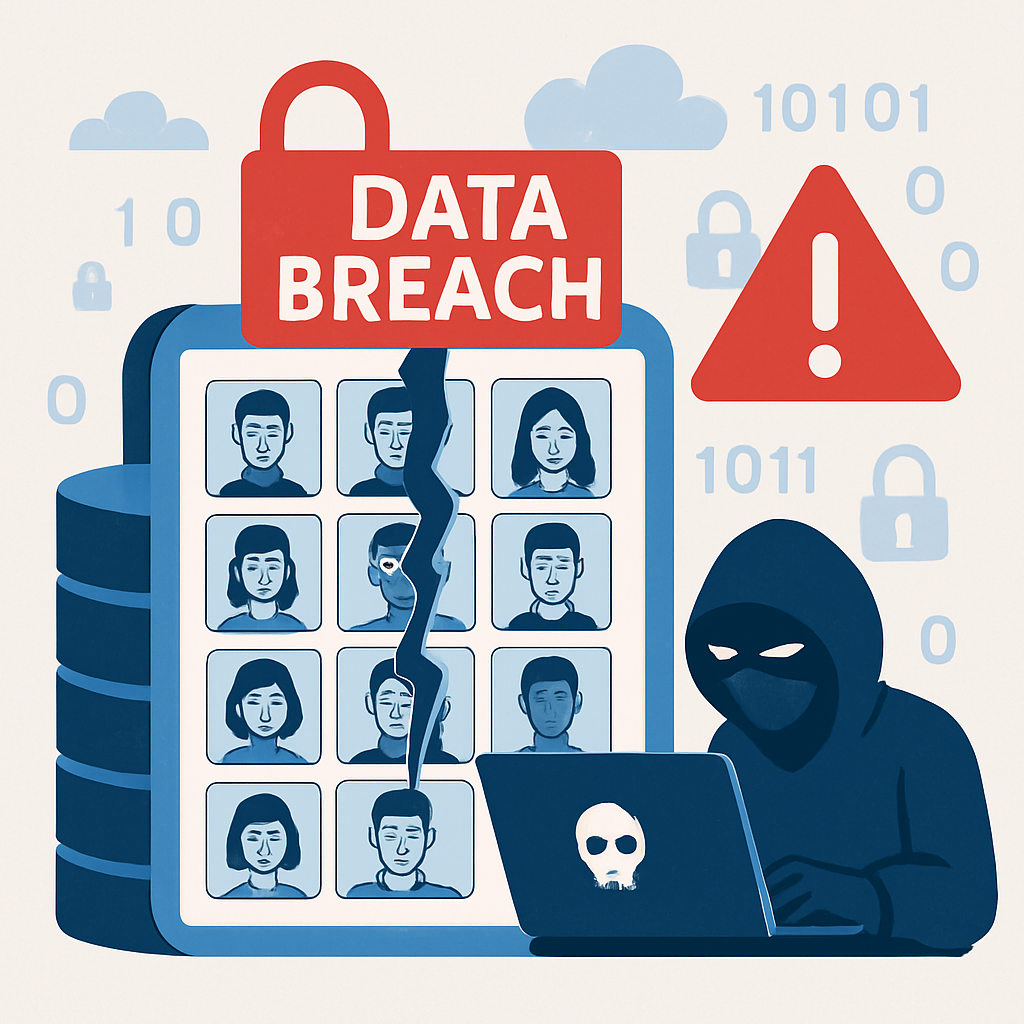
ClarityCheck, a facial identification service, has reportedly left over nine million facial images publicly accessible on the internet, raising significant privacy concerns. The exposed data, totaling approximately 450.2GB, was discovered by security researcher Jeremiah Fowler, who found the unprotected database containing images of adults, teens, and children.
ClarityCheck allows users to upload a photo to perform reverse searches across social media platforms to identify individuals. While the service requires users to confirm they have permission to upload photos, Fowler expressed skepticism about the effectiveness of this safeguard, noting that the platform is designed for identifying others, not oneself.
The exposed images appear to have been sourced from various third-party platforms, including private profiles, social media accounts, dating app profiles, screenshots, and physical photographs uploaded by users. This suggests that many individuals featured in the images were likely unaware that their photos had been uploaded to ClarityCheck.
Upon being alerted to the security lapse, ClarityCheck acknowledged the issue and has since secured the data. However, the incident underscores the potential risks associated with facial recognition services and the importance of robust data protection measures.
Beyond privacy violations, the exposure of such a vast number of facial images poses risks of misuse. Scammers could potentially use these images to create fake social media profiles, impersonate individuals, and deceive their family and friends. This incident highlights the need for stringent regulations and oversight of facial recognition technologies to prevent unauthorized data collection and protect individual privacy.