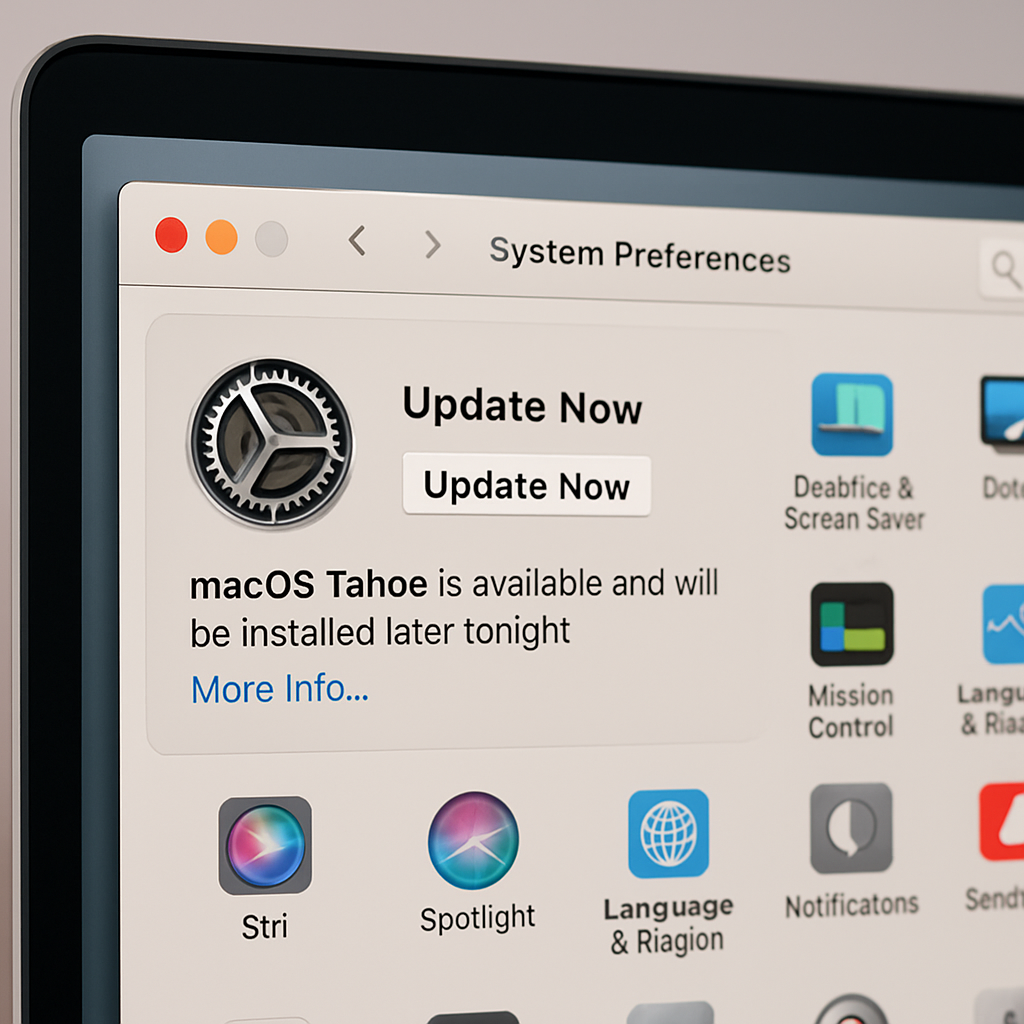
Apple today pushed out second release candidates for macOS Tahoe 26.7.1 and macOS Sequoia 15.8.1, following their first RCs last week. These builds are expected to precede the final versions of the updates, which focus squarely on providing critical security patches rather than introducing new features.
What’s New in These Release Candidates
The second RC of macOS Tahoe 26.7.1 carries build number 25G313, while the Sequoia 15.8.1 RC 2 is tagged 24H212. In contrast to macOS 27.2 beta 1—which introduced new Siri AI language support for French, Japanese, Korean, Portuguese, and Spanish—these updates are slim and targeted. Apple’s only description so far is that they include “important security fixes” and are “recommended for all users.”
No additional features or changes beyond the security scope have been identified so far. The focus here is clearly on tightening up system defenses ahead of broader distribution. Historic RC updates like these usually serve to test stability and patch any vulnerabilities discovered since the first RC was released.
Timeline & Expectations
The initial RCs for both Tahoe 26.7.1 and Sequoia 15.8.1 were released about a week ago. The second RCs arrive in advance of the full release, which Apple is likely to schedule “in the coming weeks.” Once official versions of these updates are live, Apple should publish the corresponding security disclosures.
Users enrolled in the beta or release-candidate channels can grab RC 2 now to begin testing, especially those concerned with security or maintaining compatibility. For the average user, the upcoming final versions will offer a seamless upgrade path with enhanced protections.
Even though these updates aren’t glamorous, they’re essential. As the ecosystem becomes increasingly complex—thanks in part to AI features in higher-tier betas—the security integrity of established versions like Tahoe and Sequoia remains critical. Keeping this software line robust ensures that everything from enterprise systems to prosumer machines remains secure.
Looking ahead, it’s worth watching whether any unexpected bugs surface during this RC phase. Security patches always risk introducing regressions, especially in areas like hardware compatibility or third-party software interactions. Pay attention to reports from testers—and once Apple publishes the security notes, the specifics of what was addressed will be under close scrutiny. These RCs are small steps, but they underscore Apple’s ongoing balance between innovation and reliability.