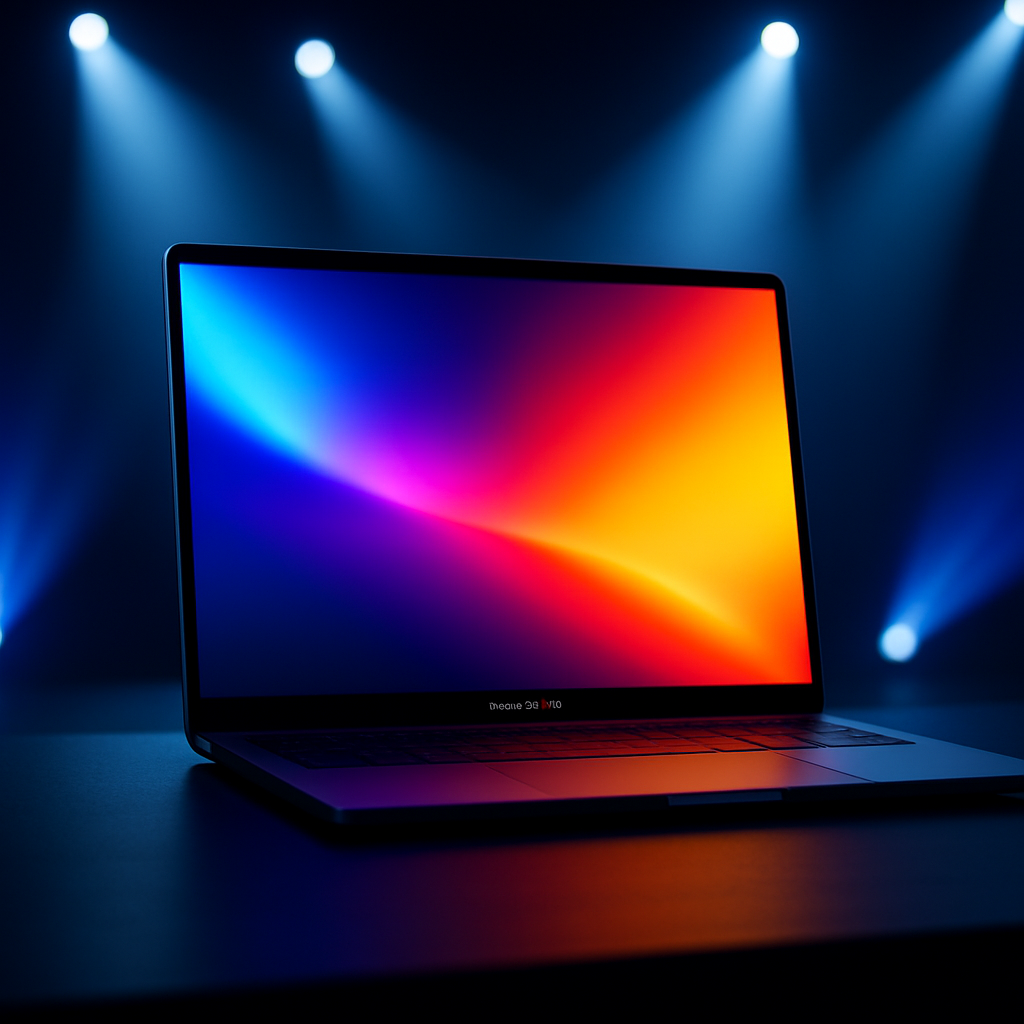
Apple has quietly dropped all plans to use the “MacBook Ultra” name. A recent invitation for its October 28 event in Los Angeles, labeled with the slogan “Pro and Tell,” confirms that the upcoming OLED touch-enabled laptops will remain under the MacBook Pro line. Earlier rumors had suggested Apple might introduce an entirely new “Ultra” tier, but that no longer seems likely.
Speculation around the “Ultra” name first gained traction when Apple unveiled the iPhone Duo instead of an iPhone Ultra. That move raised expectations that “Ultra” could be the next premium moniker for high-end Apple products. For some time, industry chatter indicated that Apple might expand that branding to MacBooks and perhaps even other hardware. But everything we’ve seen so far points to the Pro label sticking.
What the change tells us
The new approach is first evidenced by the invite Apple sent out for its October 28 event. The “Pro and Tell” slogan intentionally plays off words like “prove and tell,” but more directly signals that any new MacBooks arriving at that time will continue the Pro lineage rather than launching a separate Ultra class. This is reinforced by rumors and reliable sources claiming that the OLED touch MacBook models will carry the MacBook Pro badge.
This decision also ties into Apple’s broader branding strategy. Branding with “Ultra” had seemed like one way to distinguish their most premium hardware, similar to what some rivals do—but adding “Ultra” risks complicating the lineup. By keeping things under “Pro,” Apple preserves the existing hierarchy that consumers already understand: MacBook Air for lightweight portability, MacBook Pro for performance.
Industry insiders are connecting the dots with other recent launches. Alongside OLED touch MacBooks, reports indicate Apple will reveal the M6-chip versions of the 14-inch MacBook Pro and a new iMac. Key announcements are expected for October 27-28, with the new MacBooks and updates joining OLED iPad minis and other hardware in the mix.
Why this matters
For consumers following Apple’s product evolution, retaining the MacBook Pro name for its premium models avoids confusion. If “Ultra” had been used, it might have raised questions about how Apple distinguishes between Ultra vs. Pro vs. Max vs. whatever else is coming. Instead, the Pro label continues to serve as a reliable indicator of power and features without disrupting the Apple lineup.
This has implications beyond naming. It sets expectations for what to expect from those new MacBooks: OLED touch displays, continued performance leadership, and possibly higher price points—but all within the Pro ecosystem. It may also signal that Apple has pushed back on earlier internal plans or external suggestions to stretch “Ultra” across its brand.
What to keep an eye on: The October 28 showcase should clarify how Apple distinguishes chassis design, feature set, display tech, and pricing between Pro models. We’ll also be watching how the MacBook Pro lineup evolves with “Ultra-level” specs—if meaningfully different—or whether it remains largely iterative under a well-worn badge.