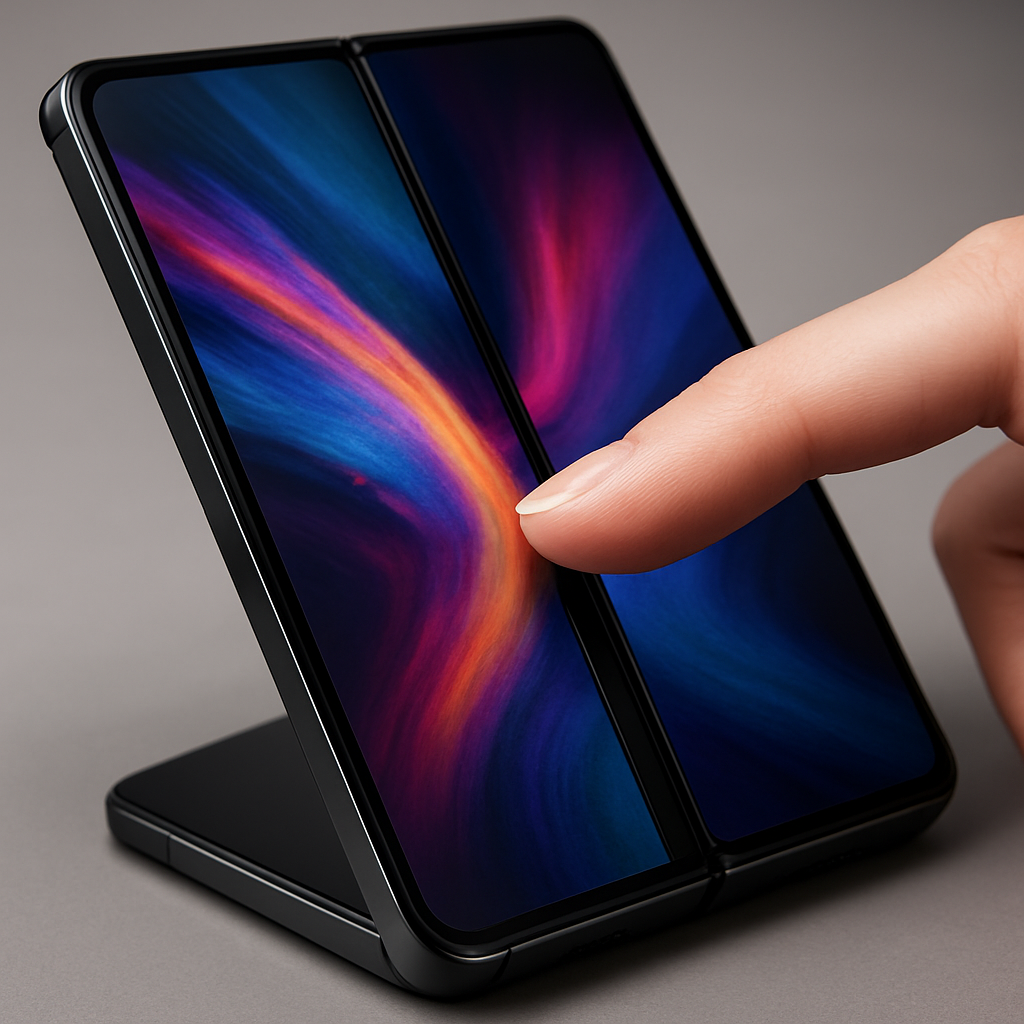
After a four-year absence, Touch ID is back on the iPhone—but not where you might expect. Apple’s latest foldable handset, called the iPhone Duo, brings back fingerprint authentication via a sensor embedded in the side power button. This change marks not just Touch ID’s return, but also its new form factor for iPhones.
From Home Button to Side Button
The iPhone Duo is the first iPhone since the third-generation iPhone SE in March 2022 to ship with Touch ID. What’s different this time: the sensor isn’t located in the Home button. Instead, the power/side button now houses the fingerprint reader—an arrangement that has been used in iPads for years, but is new to iPhones.
Because the sensor is integrated into the power button, it works whether the device is folded closed or open. It replaces Face ID on the Duo, making this iPhone line stand apart from the standard models, all of which still use face-based authentication.
Release Timing & Feature Details
The iPhone Duo is set for pre-orders starting October 16, with a general availability date of October 23. Meanwhile, users who don’t want to rely solely on fingerprint scanning can still unlock it via an Apple Watch.
Touch ID’s return is perhaps meant to satisfy users who prefer a more familiar or tactile approach to authentication. But it seems unlikely that this will lead to Apple bringing the new setup to other iPhone models, where Face ID remains the predominant method.
Touch ID technology itself isn’t new. Typically found in Home buttons or in side buttons on iPads like the iPad Air and iPad mini, this kind of top-button fingerprint sensor has proven reliable. The leap here is adapting it to a foldable, dual-screen iPhone design.
Pre-orders begin on October 16, and the iPhone Duo will ship starting October 23. Hardware specifications, pricing, and other ancillary features were detailed during the event but weren’t part of this particular announcement about Touch ID.
What this means: the return of Touch ID in this new format signals Apple’s willingness to revisit past technologies with modern design thinking. While Face ID has been dominant, there has been demand for fingerprint authentication, especially in unusual form factors like foldables. Whether this marks a broader shift in biometric authentication for future iPhones—or remains a unique feature for the Duo—is one of the more interesting questions following Apple’s latest fall reveal.