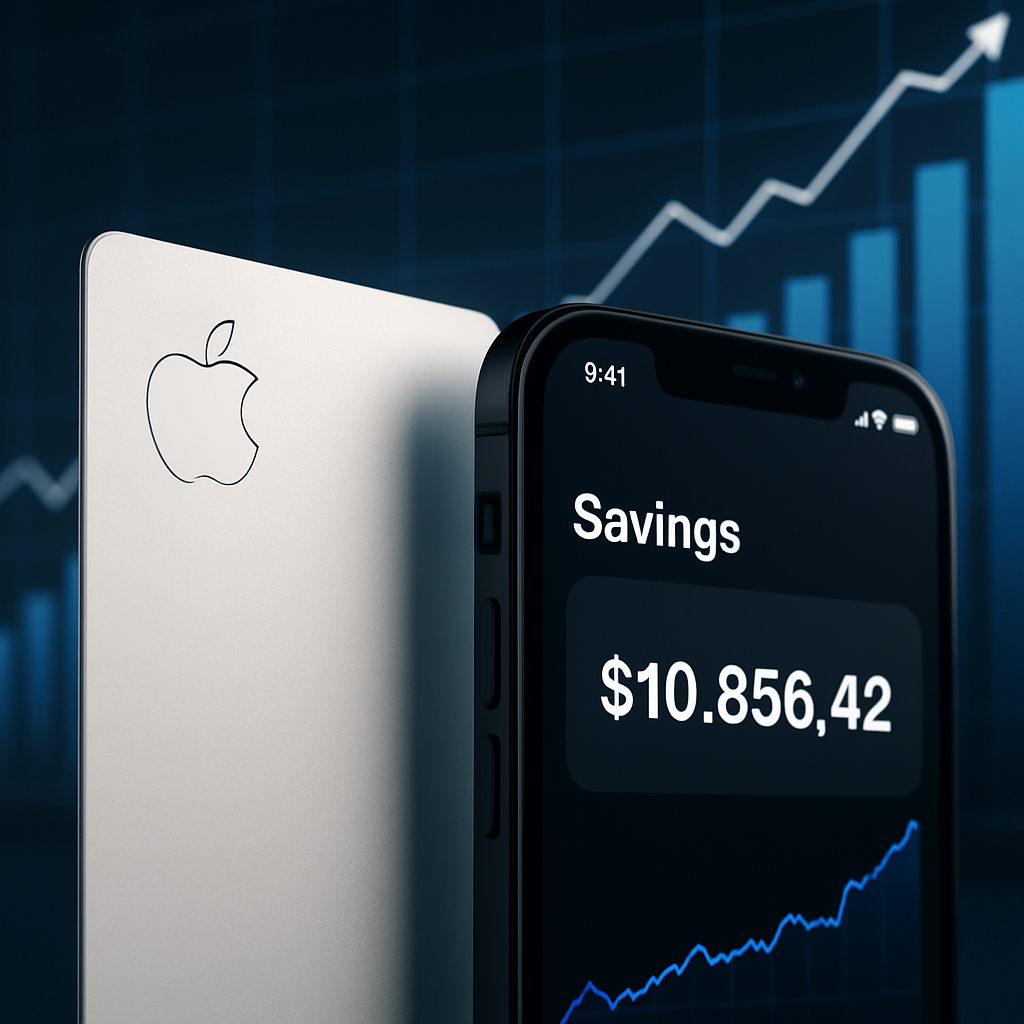
Today, Apple increased the interest rate on its Apple Card Savings account, offering a slightly improved return for depositors. The annual percentage yield (APY) rose from 3.4% to 3.5%, effective immediately. This change means someone keeping $1,000 in the savings account for a year without withdrawals would now earn about $35 in interest.
Why the Shift Matters
This move, though modest, signals Apple’s awareness of the broader interest rate environment—where financial institutions are gradually raising rates to keep pace with inflation and Federal Reserve increases. While a 0.1% bump isn’t dramatic, it does matter if you’re comparing savings options or trying to maximize return on idle cash.
How This Fits into the Bigger Picture
Interest rates across the financial sector have been climbing, pushing many banks to elevate APYs on savings products. Apple’s adjustment keeps its savings account competitive, especially for users primarily focused on security, ease of use, and seamless integration with the Apple ecosystem. Other providers may still offer higher APYs, but often with trade-offs such as limited liquidity or more complex requirements.
It’s worth noting that small changes like this can add up over time. While a 0.1% increase won’t revolutionize your returns, it straddles the balance between convenience and value—something many everyday savers prioritize. Watching what other tech companies with financial services options do next will be interesting, especially as money market rates shift.
For Apple customers, this is a reminder to keep an eye on interest rate updates. Apple Card Savings is mostly known for its integrated design rather than its interest yield—but even minor rate hikes make its offering more compelling for users who prefer minimal friction and maximum reliability.
What Apple’s increment reveals is how the company is fine-tuning its financial services amid shifting economic pressure. In a climate where every basis point counts, expect more small adjustments rather than sweeping changes moving forward. Savers should compare across options, but for many current users, this slight APY bump is a welcome boost.
What to Watch Next
If inflation stays elevated or the Fed tightens further, Apple may raise the APY again. Also worth monitoring: how other tech-based savings accounts adjust, and whether fees or minimum balance requirements change in response. Consumers should shop around—sometimes online banks or credit unions will offer more aggressive rates or bonus structures.
Overall, this increase represents a step toward better returns without altering the core design of what makes Apple’s savings product popular—simplicity, integration, and reliability.