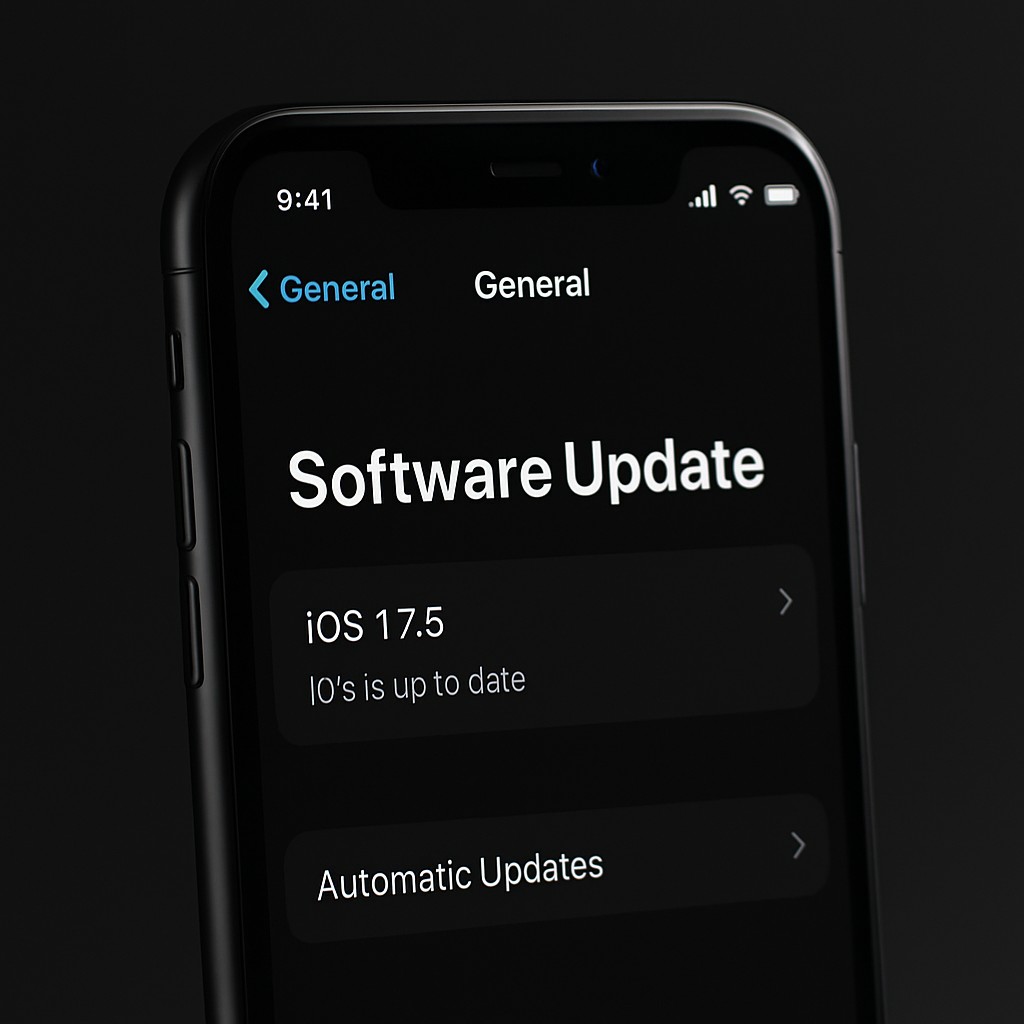
Apple has begun rolling out iOS 26.6.2 today, a minor but important update aimed at fixing a problem that was stopping some iPhones from downloading software updates when connected via cellular. The release covers iPhone 11 models and newer. Users can manually check for the update under Settings > General > Software Update. The rollout may take some time to reach all devices. Alongside iOS, Apple is also issuing iPadOS 26.6.2, delivering the same fix to compatible iPads.
This patch arrives about three weeks after the previous release, iOS 26.6.1, which addressed multiple security vulnerabilities. With iOS 26.6.2, the focus is narrow: restore the ability to update over cellular when needed. The timeline of this release suggests the issue was pressing, warranting a quick corrective update.
What’s New—and What’s Not
This update does not introduce any new major features or functionality beyond the cellular update fix. It’s not a security update like 26.6.1 was, and there’s no indication of wider improvements or additions. For users keeping up with Apple’s versioning, this is a maintenance build targeting a specific bug rather than a broader upgrade.
Looking ahead, Apple has already signaled iOS 27 is due later this month. The company is expected to reveal the full release date in an event set for September 9. iOS 27 promises more significant changes, including enhancements tied to Apple Intelligence, anticipated adjustments for designers, productivity tools, and extended feature sets across Apple’s hardware ecosystem.
For users wondering whether to install, the advice is straightforward: yes, especially if you rely on cellular for updates. If your device is on Wi-Fi most of the time and updates without issue, the urgency is lower. But since the update doesn’t introduce any known new problems, there’s little downside to installing.
Analytically, this release underscores Apple’s growing cadence of “between-major-version” updates—the patches that come not for new features, but to fix showstopper bugs. That trend reflects not just the complexity of maintaining a broad, global OS install base, but also increasing user expectations for polish. For iOS 27, stability will be as crucial as innovation: if users are getting bitten by basic bugs in iOS 26, there’s little tolerance for similar issues in the next version. Keep an eye on whether future updates maintain this quick turnaround, and whether iOS 27 launches with fewer hiccups out of the gate.