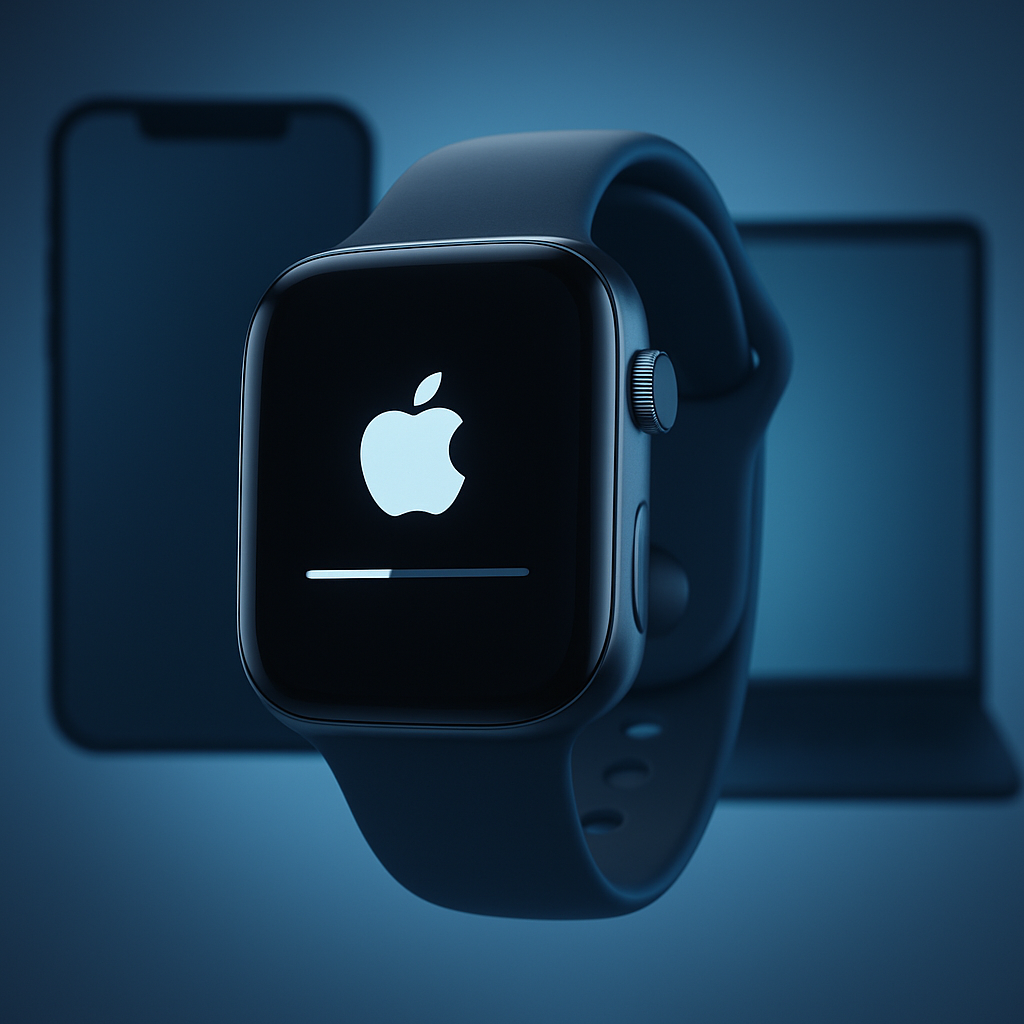
Apple has begun pushing automatic updates to selected Apple Watch apps to ensure they’re compatible with watchOS 27 before its public release. Users running the beta this summer may have seen some apps refusing to open due to this compatibility issue. Apple identified that certain apps were failing to launch after upgrading to watchOS 27 because of problems with how their arm64 binaries were processed. In response, Apple is reprocessing and repackaging those apps for developers, sending out App Store updates that indicate “no new features” — the sole purpose being compatibility. The company aims to finish this auto-update process by August 31.
These proactive updates are scheduled well in advance of watchOS 27’s anticipated launch in mid-September, alongside iOS 27 and other operating system upgrades. The move is designed to prevent disruption for users who might find their third-party apps nonfunctional post-update, without requiring action from developers.
Why This Matters
watchOS apps rely on properly structured binaries — in this case, the arm64 slice — to run correctly on Apple Watches. When part of that binary becomes broken or incompatible, the result can be apps that simply won’t open. This is especially problematic during major OS upgrades, where even slight mismatches in expected format can lead to crashes or blocked launches. Normally, developers would need to rebuild their apps for compatibility, but auto-updates save that step.
What Users and Developers Should Expect
From the consumer side, when apps auto-update, App Store changelogs will carry a note along the lines of: “This app has been updated by Apple to prepare for watchOS 27 compatibility. No new features are included.” Functionally, nothing changes for end users beyond restored compatibility. For developers, while Apple is taking care of the binary fix, there’s no added update content needed — though they should still test on watchOS 27 to ensure everything works smoothly.
The deadline for Apple’s rollout of these compatibility fixes is August 31, after which all affected apps should have been updated. Users should see apps functioning as expected once watchOS 27 officially launches. And because this process is automated, little to nothing is required from developers to participate.
For context, this isn’t the first time Apple has stepped in to fix compatibility issues ahead of a major software release. Previous iOS and watchOS updates have sometimes introduced strict requirements on binary architectures or deprecated older formats, meaning that third-party apps needed updates in order to continue working. Users who install public betas are often first to encounter such glitches, while automatic corrections like this aim to smooth over those rough edges.
Ultimately, this move highlights Apple’s increasing attention to backward compatibility and device stability. Ensuring a seamless experience across OS upgrades helps maintain trust among users, especially power users who rely on third-party apps. Going forward, it might become standard practice for Apple to handle these under-the-hood fixes—developers will still need to stay attentive, but end users will benefit from fewer disruptions during major system updates.