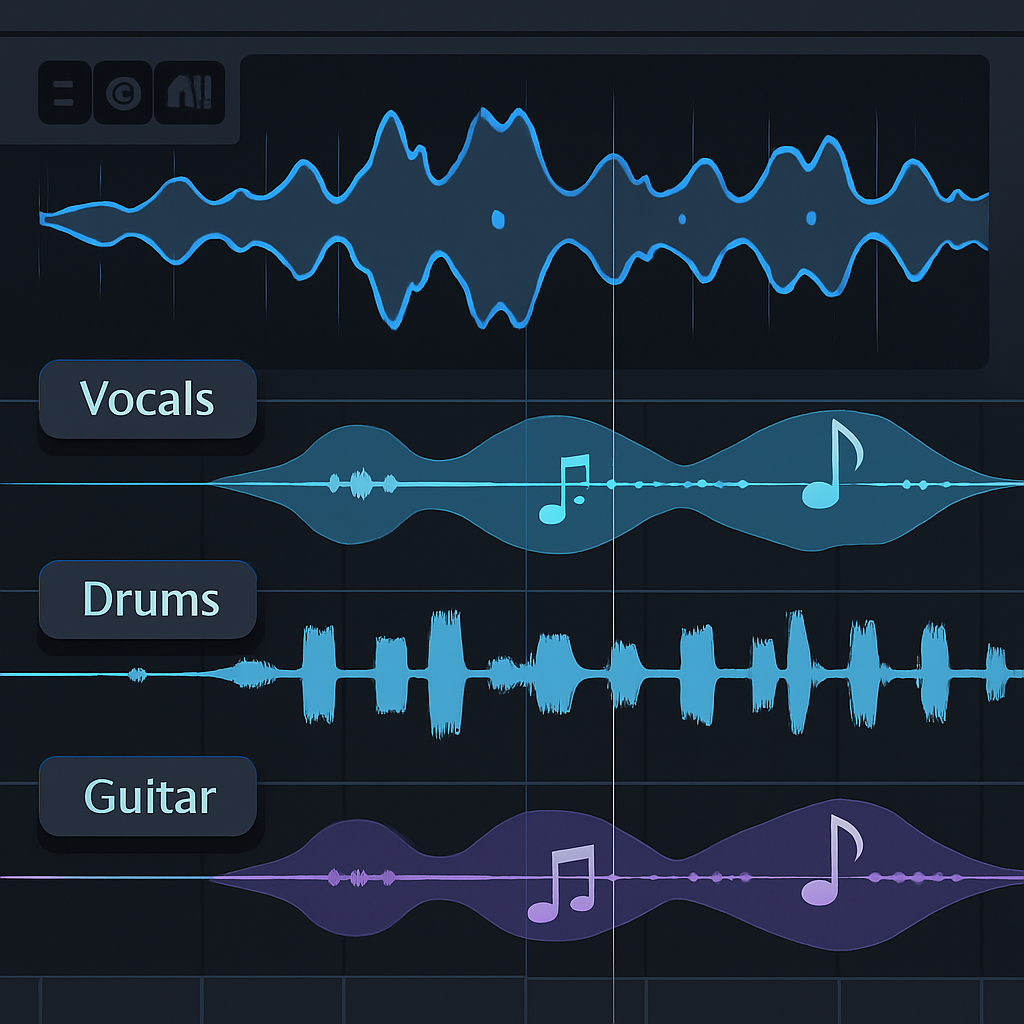
Apple has secretly acquired Zurich-based AI audio editing firm Samplab, in a move poised to expand the capabilities of its music production tools—especially Logic Pro. The acquisition focuses on acquiring certain technology and hiring staff from Samplab, with official records indicating the deal closed on June 17, 2026. By late June, Samplab shut down its service, offered refunds to subscribers, and redirected its website to Apple’s domain.
What Is Samplab, and What Did It Do?
Founded in Zurich in 2020 by Manuel Fritsche and Gian-Marco Hutter, Samplab specialized in AI-powered audio editing tools capable of breaking down mixed audio into separate components—like vocals, drums, guitars—and letting users edit individual notes in chords. Its software featured stem separation and fine-grained chord and note editing, with support for Digital Audio Workstations including Logic Pro. The company was very small, reportedly employing no more than its two founders.
Why Apple Made the Move
Logic Pro has already included stem splitting since 2024, letting users isolate tracks like vocals or percussion in mixed music projects. Samplab’s tech takes that further, enabling editing down to individual notes in chords—a capability beyond what Logic Pro currently offers. Apple seems poised to integrate Samplab’s features into both Logic Pro and Creator Studio. In doing so, the company could deliver more precise control over audio production, enhancing flexibility for musicians and producers.
Timeline & Legal Details
The EU’s public records show Apple acquired “certain assets” of Samplab through a subsidiary on June 17, 2026. Shortly thereafter, Samplab’s official site was shut down, with subscription refunds issued for annual plans. As of now, the original Samplab plugins are unavailable—the site redirects to apple.com and plugin links lead to “page not found” notices. Samplab’s social channels and content (like YouTube videos) have also been pulled or deactivated.
This acquisition is part of a broader strategy; Apple has recently picked up several smaller AI-audio or generative audio firms—including Huxe AI and Prompt AI—and earlier in 2026 acquired Q.Ai for around $2 billion.
What to Watch For: Expect future versions of Logic Pro to offer note-level chord editing, granular stem manipulation, and tighter AI integration. These may form part of updates to Logic Pro’s core editing workflow or appear first in feeder tools like Creator Studio.
What This Means: Samplab’s acquisition underscores Apple’s push to build stronger AI-assisted music tools, blending machine learning with creative control. For professional and semi-pro users, the coming enhancements could significantly lower the barrier to complex audio editing. It’s a sign Apple sees AI not just as a feature, but as a foundation for its music software ecosystem—and users should expect these investments to start showing up in updates soon.