The nuclear industry is aiming for a comeback, with ambitious reactor designs currently in development—but getting them to compete on cost remains a towering challenge. Apollo Atomics, a startup launched by Assil Halimi and Drew Walker, believes the missing link isn’t new fuel types or reactor styles, but a redesign of the steam generator, the overlooked machinery that transforms reactor heat into electricity. The company claims its solution could reshape how nuclear power is built and priced. ([techcrunch.com](https://techcrunch.com/2026/08/20/apollo-atomics-wants-to-make-nuclear-power-cheaper-by-shrinking-an-overlooked-part/))
A New Twist on an Old Component
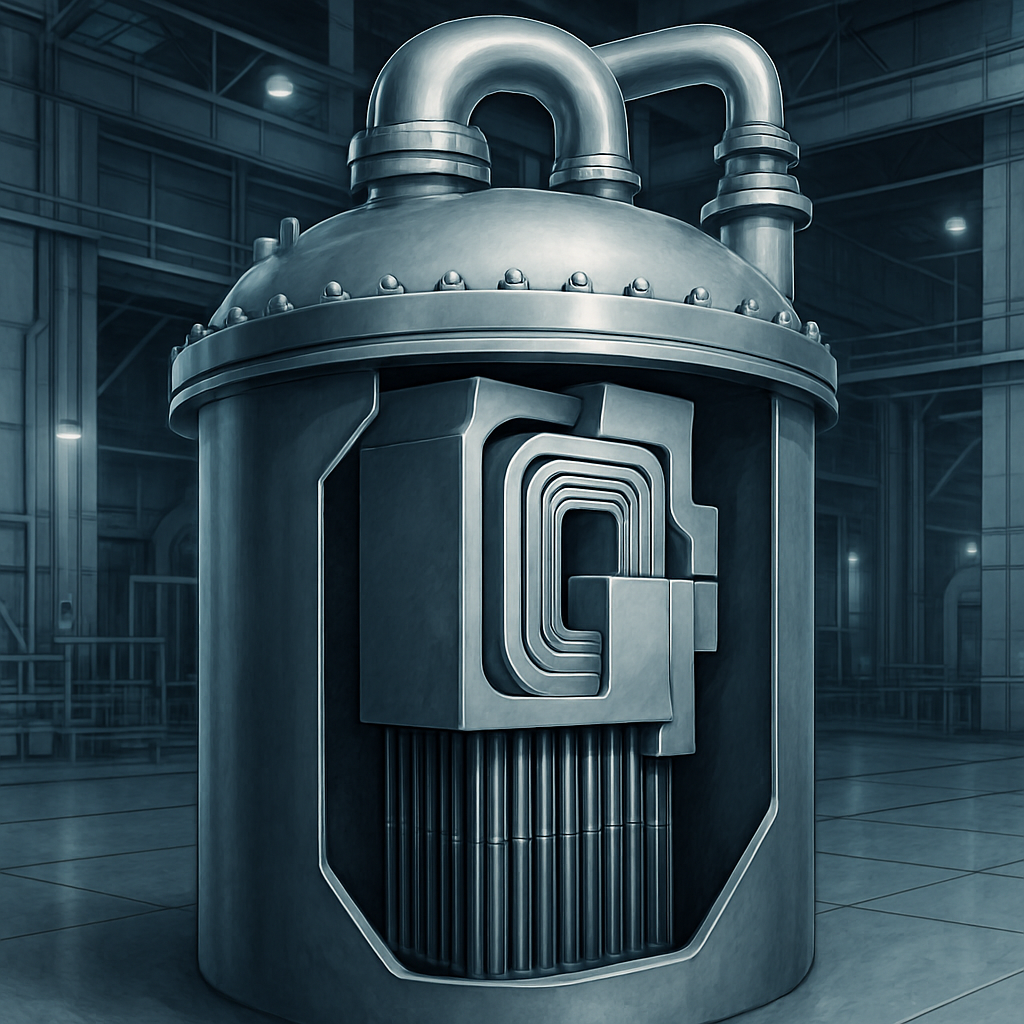
Steam generators are a foundational part of many power plants. Traditionally, they channel heated reactor coolant through large tubes surrounded by water, turning that water into steam and driving turbines. These units tend to be large, hand-built, and aligned with older energy source designs like coal and gas—yet uranium packs far more energy per mass. Apollo’s setup replaces tall, bulky tube assemblies with a compact metal block embedded with ultra-thin channels that interweave the coolant and water loops. The result: a system potentially 40 times smaller than conventional steam generators while offering more efficient heat transfer. ([techcrunch.com](https://techcrunch.com/2026/08/20/apollo-atomics-wants-to-make-nuclear-power-cheaper-by-shrinking-an-overlooked-part/))
Factory-Built Reactors That Compete With Gas
By shrinking the steam generator and making it factory-producible rather than built onsite, Apollo expects to cut costs dramatically. The plan is to build 300-megawatt nuclear plants in under 24 months with expenses estimated at just a quarter to a fifth of what conventional designs cost. If those numbers hold, the startup could bring the cost of nuclear power down to around 3 cents per kilowatt-hour, putting it in the same ballpark—or potentially cheaper—than natural gas. That’s a striking claim in a sector often criticized for high upfront capital demands. ([techcrunch.com](https://techcrunch.com/2026/08/20/apollo-atomics-wants-to-make-nuclear-power-cheaper-by-shrinking-an-overlooked-part/))
Already, Apollo has built and tested a 40-kilowatt scale reactor at MIT to validate the concept. The startup plans to offer units ranging from 10 to 300 megawatts, suggesting they imagine use cases from more compact operations to full grid-scale generation. ([techcrunch.com](https://techcrunch.com/2026/08/20/apollo-atomics-wants-to-make-nuclear-power-cheaper-by-shrinking-an-overlooked-part/))
Backing & Timeline
Apollo Atomics recently raised $26 million in a seed round—which included $5 million in debt—to help build a demonstration reactor ahead of commercial deployment in 2028. Investors include FCVC, Telesoft Partners, Y Combinator, and others; the work draws upon research from MIT, where Apollo’s founders have roots. ([techcrunch.com](https://techcrunch.com/2026/08/20/apollo-atomics-wants-to-make-nuclear-power-cheaper-by-shrinking-an-overlooked-part/))
The new reactor approach is part of a broader trend among clean energy innovators to rethink entire systems rather than tweak isolated parts. Power plants traditionally assemble massive systems onsite, but factory production and modularity—especially in nuclear—promise shorter timelines, lower labor costs, and better quality control. Apollo’s vision is to combine materials innovation, manufacturing efficiency, and compact design to challenge both the legacy nuclear sector and fossil-fuel competition. ([techcrunch.com](https://techcrunch.com/2026/08/20/apollo-atomics-wants-to-make-nuclear-power-cheaper-by-shrinking-an-overlooked-part/))
Despite the promise, challenges remain. Scaling up from a 40-kilowatt prototype to a full-sized 300-megawatt plant is a technical sprint. Safety approvals, supply chains for advanced materials, regulatory hurdles, and public acceptance will all play key roles. Investor patience and policy support will likely make or break whether this concept shifts from whiteboard to power grid.
Analytically, Apollo Atomics’ approach could be a pivotal inflection point. By refocusing on the steam generator—a component that until now hasn’t seen major innovations—Apollo may unlock efficiency and cost breakthroughs that matter more than fresh reactor types. If its projections hold, smaller, faster-built nuclear plants could become competitive in markets dominated by natural gas. It’s a development to watch: success here could alter nuclear’s role in decarbonizing energy systems, but failure could reveal just how steep the climb remains when reengineering mature infrastructure.