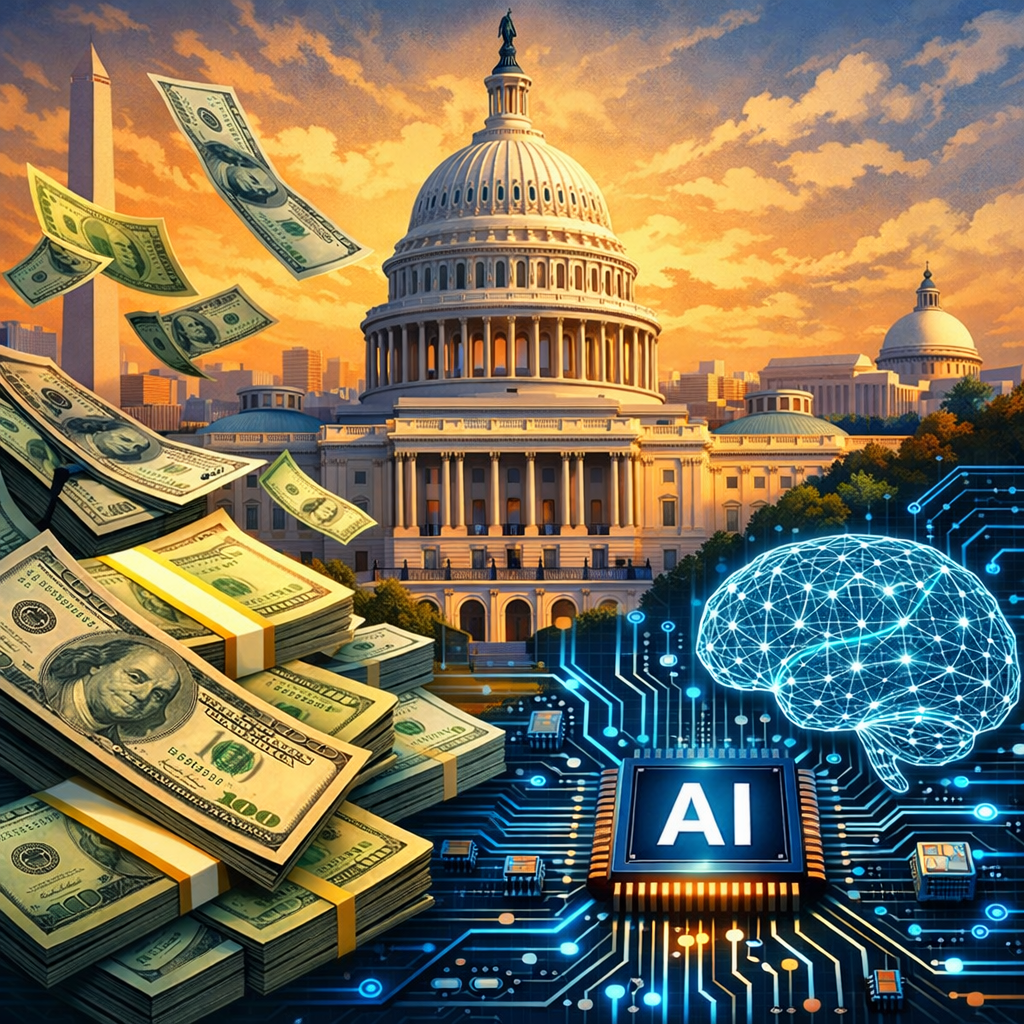
As the midterm elections concluded, political action committees (PACs) focused on artificial intelligence poured millions into races to influence who governs AI policy—and outcomes varied widely. Groups backing the AI industry saw significant losses in key races, while pro-regulation organizations picked up wins in some competitive districts.
Where AI-aligned spending fell flat
Leading the Future (LTF), a political network supported by OpenAI’s Greg Brockman and Andreessen Horowitz, operates both a Republican PAC—American Mission—and a Democratic wing, Think Big. The Republican PAC spent over $4.8 million promoting Darline Graham in South Carolina’s Senate race, but she lost. Their investments in House races—Montana’s Aaron Flint and North Carolina’s Laurie Buckhout—also went unreciprocated at the ballot box. Meanwhile, Think Big backed Florida Rep. Jared Moskowitz, who successfully defended his seat.
Regulation-first PACs get mixed returns
Public First, funded by Anthropic, prioritized supporting candidates advocating for stronger AI oversight. Its Republican-leaning investments almost exclusively ended in defeat, though it saw better luck backing Democrats. In California, it backed state Sen. Scott Wiener with $3 million; he was leading at the time of reporting. Guardrails Alliance, which centers its strategy on making industry funding politically risky, opposed controversial candidates like Rep. Jimmy Gomez and Aaron Flint—both backing the AI industry—and supported Angela Gonzales-Torres, who won.
Strategy and stakes behind the spending
While the general election brought mixed results, primaries appear to have been the real battleground. LTF committed roughly $27.4 million during the primaries alone. That includes $8 million targeting New York Assembly member Alex Bores, who ultimately lost his bid for Congress. The group is selective about which general election races to contest—favoring ones believed to be competitive or strategically important, and often reserving funds for future contests.
Guiding voices from pro-regulation PACs warn that spending from AI companies can backfire if it becomes central to campaign narratives. In several races, they argue, the perception of AI-linked money was a liability, turning candidates into targets even before votes were cast.
What’s at issue beyond wins and losses
The deeper policy debate centers on whether Congress will enact a federal AI framework that would supersede varied state laws—or if states will retain significant authority to regulate. LTF backs a national standard. Organizations like Guardrails Alliance intend to make AI funding itself politically toxic. Ads from industry-aligned PACs avoid overt mentions of AI, instead focusing on more conventional issues. Pro-regulation groups do the opposite, spotlighting candidates’ AI ties in their messaging.
Looking ahead, both sides plan to double down for 2028—with industry-aligned groups confident in leveraging select races, and regulation-focused PACs intent on scrutinizing candidates’ funding sources as part of wider accountability efforts.
What this means: The results show that heavy spending—especially during primaries—can build influence, but isn’t a guarantee of victory in general elections. As AI becomes more politically charged, campaigns will need to navigate not just policies but narratives: whether AI funding is framed as innovation driving public good, or as corporate overreach threatening democratic norms. Watch for how messaging strategies evolve, and whether public perception can flip the script in key battlegrounds heading into 2028.