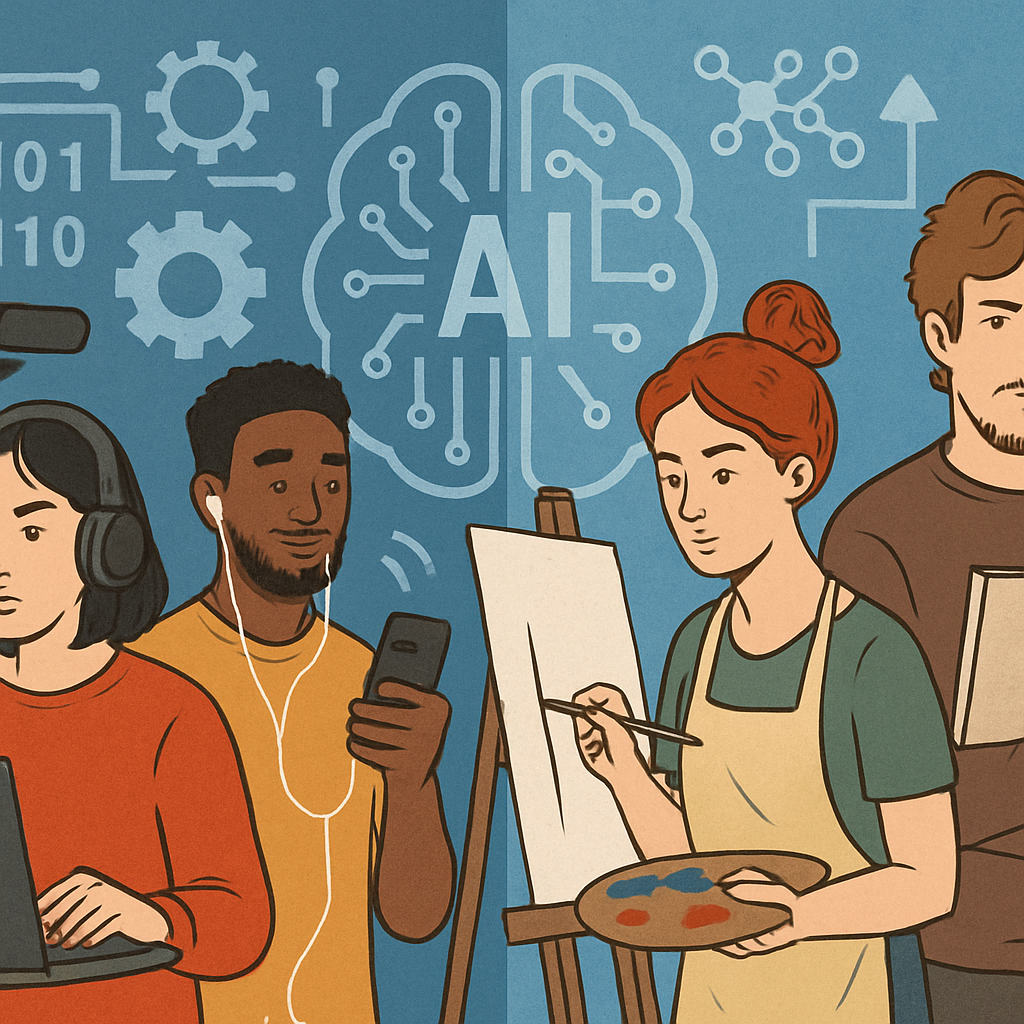
Adobe’s recent 2026 Creators’ Toolkit Report highlights a significant shift in the creative industry, with 75% of surveyed creators now considering AI essential to their work. However, this statistic primarily reflects the experiences of content creators in the digital realm, such as social media influencers and online marketers, rather than traditional creative professionals like graphic designers, illustrators, and photographers.
The survey’s focus on digital content creators suggests a potential oversight of the broader creative community. Traditional creatives, who have long been the backbone of industries like publishing, advertising, and fine arts, may not share the same enthusiasm or reliance on AI tools as their digital counterparts. This discrepancy raises questions about the inclusivity and representativeness of Adobe’s findings.
Adobe’s emphasis on AI integration aligns with its recent product developments. The company has introduced AI-driven features across its Creative Cloud suite, including tools like Generative Fill in Photoshop and the Firefly AI Assistant, designed to streamline workflows and enhance creative possibilities. These innovations cater primarily to digital content creators, potentially leaving traditional creatives feeling marginalized.
Moreover, Adobe’s recent changes to its terms of service have sparked concerns among users. The updated terms grant Adobe access to users’ content, raising issues about privacy and the potential use of creative works to train AI models without explicit consent. This move has been met with criticism from the creative community, further highlighting the tension between traditional creatives and the company’s AI initiatives.
While AI offers exciting possibilities for content creation, it’s crucial for companies like Adobe to consider the diverse needs and perspectives of the entire creative industry. By focusing predominantly on digital content creators, Adobe risks alienating traditional creatives who may be less inclined to adopt AI tools or who have concerns about the implications of such technologies on their craft.
As the creative landscape continues to evolve, it’s essential for industry leaders to foster an inclusive environment that acknowledges and addresses the varying attitudes toward AI. This approach will ensure that all creatives, regardless of their medium or platform, feel supported and valued in the face of technological advancements.