Drupal sites worldwide are at risk due to a grave vulnerability, tracked as CVE-2026-132165, that allows attackers to seize control of a site or execute arbitrary code—without ever logging in. The flaw stems from a weakness in Drupal core’s mechanism that sets up new installations, posing major security threats for live sites.
What Went Wrong?
The issue relates to Drupal’s install.php, the script that’s supposed to prevent reinstallation if Drupal is already set up. Under certain conditions, though, this check fails. Attackers can then initiate a fake installation process, effectively hijacking an active site or planting code on the server via unauthorized access. File modifications, including changes to the settings.php file, are part of the exploit chain.
Response, Impact, and Mitigation
The vulnerability was rated highly critical—20 out of 25. Security updates were rolled out for the supported versions—namely 11.4.13, 11.3.22, and 10.6.22. Older branches such as Drupal 11.2.x and 10.5.x, plus versions 8 and 9, are no longer supported and thus no longer receive patches. Sites on those release tracks need migration to a supported version immediately.
The U.S. Cybersecurity and Infrastructure Security Agency (CISA) added this flaw to its Known Exploited Vulnerabilities catalog on November 24, 2026, setting a deadline of November 27 for federal civilian agencies to patch affected systems. Public reports indicate that live exploits were detected as soon as November 19 at 19:00 UTC—just a day after Drupal issued its patch advisory.
What Site Owners Should Do
- Upgrade immediately to the fixed versions or newer: Drupal 11.4.13, 11.3.22, or 10.6.22.
- Until the update is applied, block public access to
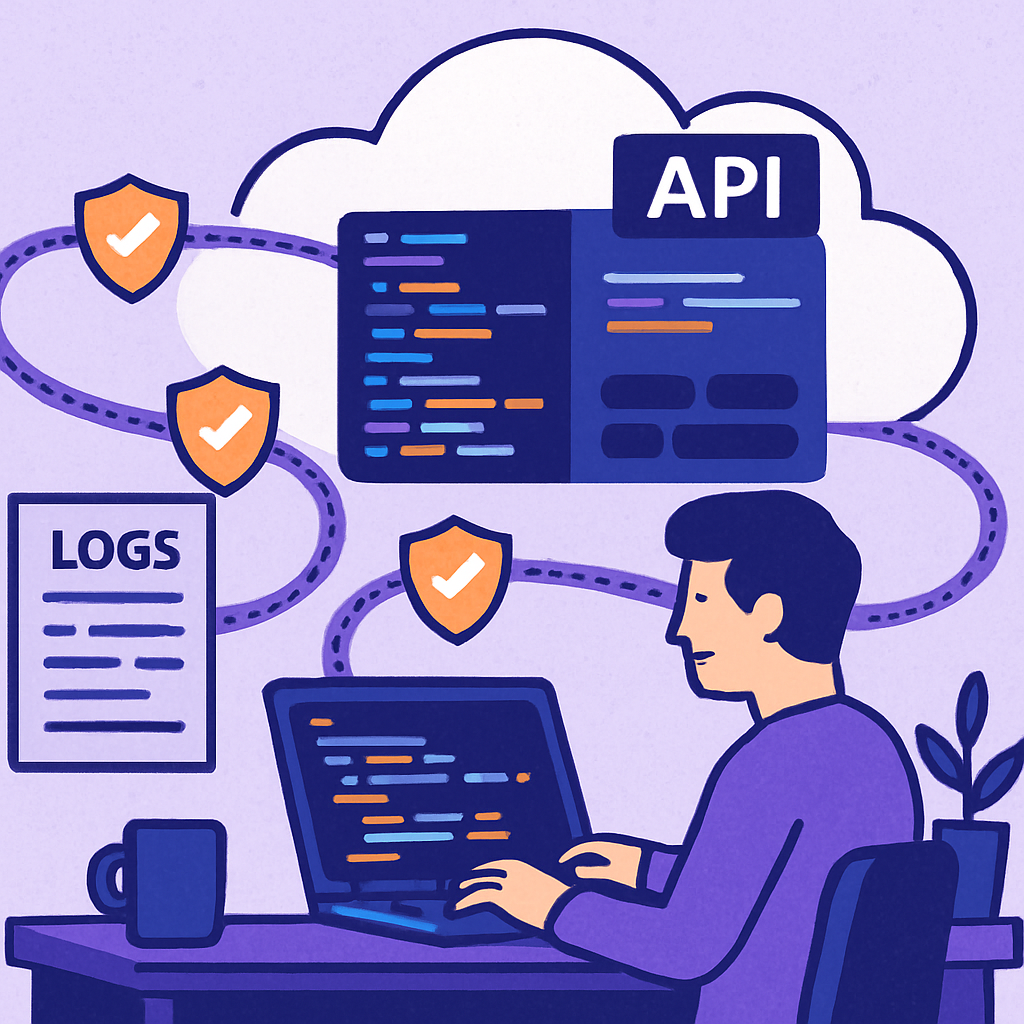
/core/install.phpat the server level to avoid further exposure. - Even after patching, review logs from before the update—look for installer access, unknown admin accounts, file changes that shouldn’t have happened.
- Restrict write access to critical files like
settings.phpas a temporary mitigation.
Despite patching eliminating the vulnerability, any unauthorized accounts created or file changes made before updates will remain. Immediate action is needed to assess whether a site has already been compromised.
This flaw was uncovered by Anthropic’s open-source software scanner, independent of the Drupal-Field UI vulnerability fixed earlier. Though it exploits the installer feature, the impact reaches far beyond new installations—live sites are at direct risk if not secured properly.
This breach is a stark reminder: critical infrastructure software like Drupal is vulnerable until every site is up to date. Administrators should move fast to patch and audit—waiting risks giving attackers full control.
Why it matters: This flaw bypasses traditional login checks, exposing active websites to takeovers without credential compromise. It underscores the urgency of staying current with software patches, especially in platforms serving millions. Watch for indicators like suspicious installer access or unexpected admin accounts, and consider adopting stronger deployment practices that limit exposure of installer code altogether.