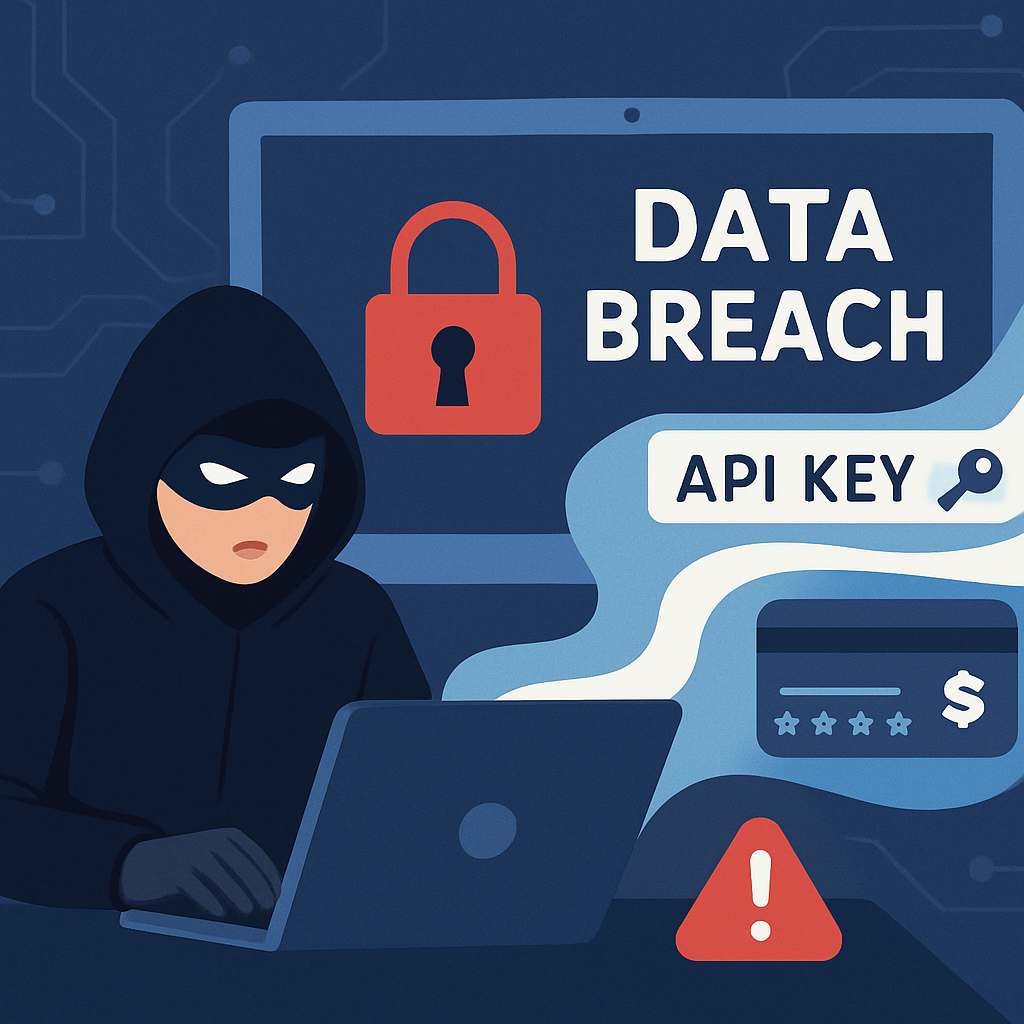
Task management app Todoist revealed a data breach that exposed information from around 6% of its users. The attack, which occurred between November 22 and 23, compromised customer data including email addresses, password hashes, and the dates when accounts were created. The company said stolen credentials were the root cause of the incident.
The intruder gained entry into Todoist’s production systems by using compromised credentials to access its version control system and source code. From there, they manipulated employee access controls and leveraged a staff member’s work account to infiltrate the cloud infrastructure. While no changes were made to the source code itself, access to older password hashes—stored using an outdated hashing method—was part of the exposure.
Todoist says the attacker also accessed sensitive user content for a very small subset of its user base—approximately 0.001%—which included tasks, comments, and attachment file names in search of API keys and access tokens. Other stolen assets encompassed API tokens and Slack integration tokens. Where the Todoist for Outlook add-on was connected and permitted to read emails, the intruder also viewed emails, physical addresses, and attachment file names.
What the Company Did
In response to the breach, Todoist has reset user passwords, blocked the compromised attack vector, and disabled the Outlook extension. Affected users are being asked to change passwords they reuse elsewhere, update or revoke API keys and integration tokens, and replace any credentials stored in task attachments or comments. Internally, the company overhauled its access permission structure and tightened controls around remote command execution in its cloud environment.
Founder and CEO Amir Salihefendić issued an apology and committed to examining how and why the breach occurred, emphasizing the need to prevent similar incidents in the future.
Wider Implications
This breach echoes a broader trend where attackers exploit reused or stolen credentials to compromise systems. Over the past year, several organizations—including ride-hail firms, enterprise software providers, and service apps—have suffered breaches attributed to credential theft. That underlines the escalating risk tied to password reuse, weak hashing methods, and dependent integrations.
The scope of what was exposed—credentials, personal data, API tokens—creates downstream risk for users, especially those who used the same password across platforms or embedded sensitive credentials in comments or attachments. Such practices are increasingly dangerous when breach aftermaths include lateral movement across connected systems.
Looking ahead, Todoist will need to demonstrate that its mitigation efforts are robust and lasting. Key watchpoints include whether password hashing has been fully modernized, whether users have been enabled to rotate credentials easily, and how well third-party integrations are secured. Users will also be looking for transparency around what caused the credential theft—whether it stemmed from phishing, a vendor issue, or internal misconfigurations.