Anthropic has significantly boosted visibility into the behavior of Claude Code—a local AI agent tool that can read files, execute shell commands, and use third-party MCP (Machine Context Plugin) servers using credentials available on a user’s machine. The company’s upgraded Compliance API now offers richer logs and transcript retrieval, aimed at helping organizations monitor both Claude Code and Claude Cowork usage more tightly. This matters especially because agents running directly on developer machines often inherit elevated permissions and access, which could introduce risk if left unmanaged.
New Session Endpoints and Enterprise Coverage
On August 11, 2026, Anthropic released three new beta endpoints under the Compliance API to support local sessions for Enterprise organizations. They include:
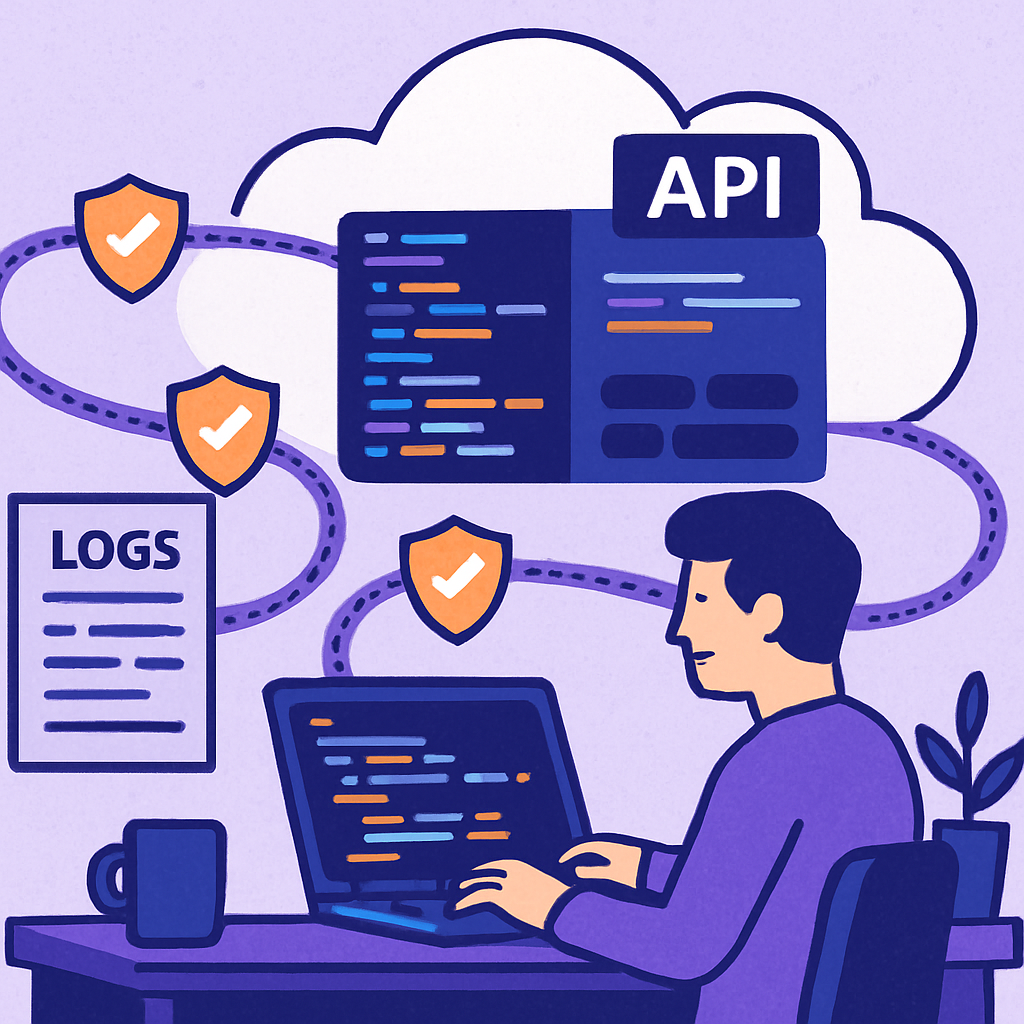
GET /v1/compliance/apps/sessions/local— lists metadata for local sessionsGET /v1/compliance/apps/sessions/local/{session_id}— retrieves metadata for a specific local sessionGET /v1/compliance/apps/sessions/local/{session_id}/messages— obtains the full session transcript including prompts, tool actions, results, and text exchanged during the session.
These endpoints work across both Claude Cowork and Claude Code sessions when run from desktop, CLI, or compatible IDE extensions—specifically, when a user is signed in with a Claude Enterprise account. Coverage is still in beta. Microsoft 365 add-ins and Claude Science are in beta for future coverage; sessions that run via third-party platforms such as Amazon Bedrock, Google Cloud, or services not under Anthropic’s environment might not appear through local session capture.
Layers of Governance & Existing Gaps
The article outlines three complementary layers organizations should use to govern Claude Code securely:
- Managed settings: Static policy baselines per endpoint allow organizations to define allow/deny lists for MCP servers, regex-based restrictions on bash commands, and disable certain skills or tool executions globally. These rules override user or project settings.
- Compliance API transcripts: The new local session endpoints log everything that reaches the Claude model—prompts, tool invocations including bash commands, reads/writes, and MCP actions. However, anything occurring purely on the endpoint without invoking the Claude model (like background hooks or offline configuration files) will be invisible to the API.
- Endpoint-based telemetry: Endpoint agents or EDR solutions can capture artifacts such as installed plugins and skills, configuration files, filesystem contents outside Claude sessions, and detect anomalous local processes and bash commands raised from those. This fills in where the Compliance API and remote logs fall short.
Retention of session transcripts is six years by default unless an organization sets a shorter period. The same Compliance Access Key and scope (read:compliance_user_data) are used for both local and remote sessions, so organizations don’t need additional API credentials. Some coverage limitations apply: for example, sessions via Claude Code on the web are not included, and organizations using HIPAA-ready settings may see local session data disabled.
By design, the Compliance API shows what Claude was asked to do and how it responded, but not every action happening locally. Files never accessed, processes never tied into a session, or offline changes fall outside what’s captured. Additionally, audit of intent—why something was run—depends on correlating session and endpoint data with organizational identity and asset inventories.
Overall, these additions to the Compliance API bring Claude Code into view where it was opaque before. The improvements help organizations manage permissions, trace actions back to users, and enforce least privilege on agent workflows. Still, gaps persist—especially around local-only activities and intent detection. Implementing a complete monitoring strategy will require combining Anthropic’s tools with endpoint telemetry and strong governance practices.