Omen AI, a startup building real-time sensors to monitor cooling fluid systems, has acquired Aquatic Labs in a cash-and-stock deal valued at $16 million. The move brings together two companies specializing in fluid monitoring tools to reduce water waste and operational risk for data centers and other large-scale infrastructure. The acquisition follows Omen’s $31 million Series A funding round earlier this year.
Why Monitoring Water Matters
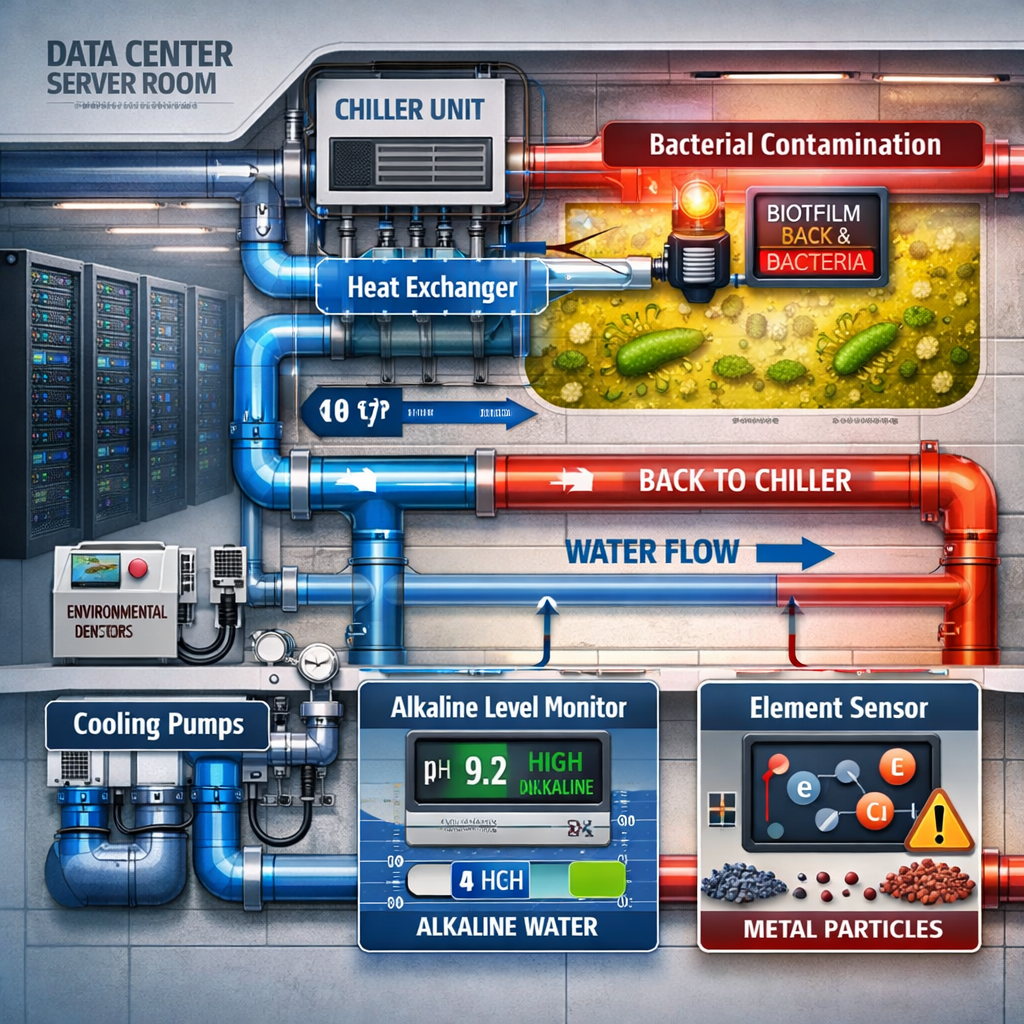
Data centers in the U.S. consume an estimated 17 to 19 billion gallons of water annually to cool their hardware, and that volume is projected to nearly triple over the next five years. Traditional water testing methods involve collecting samples and sending them to a lab—a process that can take several days, during which equipment is vulnerable to failures and inefficient water use. Omen AI’s sensors detect issues like valve failures and bacterial growth in real time, allowing operators to act before systems degrade or costly downtime occurs.
What Aquatic Labs Adds With the Merger
While Omen’s technology focuses on detecting various elements in cooling fluids, Aquatic Labs brings science of alkalinity measurement into the fold. By integrating both approaches into a single sensor, the merged product will deliver wider visibility into fluid quality. Aquatic Labs’ CEO Allan Adams now serves as chief science officer of the combined entity. The unified sensor is expected to reach the market by early next year.
Omen plans to deploy its sensors in data centers currently pulling between 250 and 300 megawatts and forecasts that the systems it implements this year will represent $5 to $7 billion in infrastructure value. By the end of 2027, it hopes to cover an equivalent of 1 gigawatt of chip infrastructure. These deployments support more reliable uptime, safer fluid handling, and cost efficiencies by reducing how often water must be discarded due to contamination or other issues.
The combined tech also has implications beyond data centers. Wash-out from cooling systems enters municipal water supplies, and more precise monitoring promises better environmental compliance and public health safeguards.
Although earlier this year some investors have grown more cautious about AI infrastructure spending, Omen believes the demand for fluid monitoring will remain strong. Most of their customer contracts underpin facilities either under construction or already built—projects usually financed well in advance—and that insulating effect means shifting investor sentiment has limited impact on their near-term runway.
For Omen, acquiring Aquatic Labs isn’t just about expanding capability—it’s about accelerating the transition toward smarter, less water-intensive infrastructure. In the era of AI scale-ups and hyperscale data centers, fluid control will become as critical as power and cooling in maintaining performance and sustainability.
What to Watch: Keep an eye on whether the unified sensor hits its market launch target in early 2027, the pace at which data centers adopt these more comprehensive monitoring systems, and how new regulations on water use and environmental safety begin factoring into AI infrastructure design.