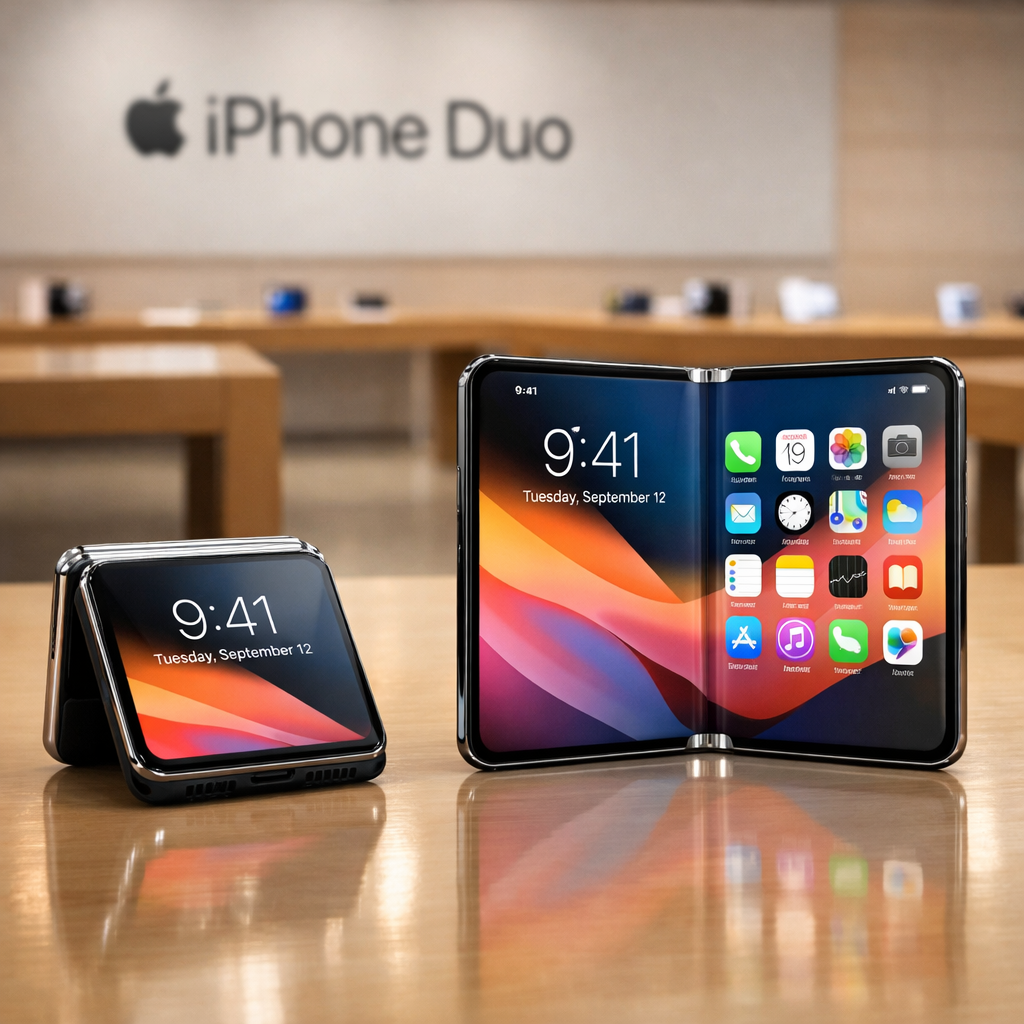
Apple had originally intended to release its foldable phone, the iPhone Duo, exclusively in the United States and China in November, but shifted course, bringing it to more than 70 countries on October 23 instead. Industry reporting reveals that Apple sped up the rollout and significantly widened its reach despite tight supplies, with demand far outpacing what the company had prepared for.
Supply Shortages, Delivery Delays, & Limited Inventory
After preorders began on October 16, many customers saw delivery dates slip back into 2027 almost immediately—some listings show January 25, 2027 as the expected delivery date. It’s now common for potential buyers to see mid-November or even deeper delays if they place an order today. Walk-ins have almost no chance: availability remains scarce in stores across the U.S., and many are being advised to avoid visiting Apple Stores on launch day unless they preordered. Secondary markets report some rare same-day pickups, but only in a small number of locations and mostly via alerts or very early notification.
To curb inflated demand, Apple instituted a limit of two units per customer in its online store. Yet even with that cap, scalpers jumped in with resale prices reaching multiples of the original price. The company also faced reports of device defects—most notably, early screen cracks along the phone’s hinge—though Apple says these affect a small number of units and has offered replacements if stores have stock.
Why the Change in Launch Plan?
Insider sources suggest Apple initially planned a focused launch at the end of November in just the U.S. and China (markets it believed had the strongest appetite for foldables), but accelerated the schedule by about a month and rolled it out globally. That decision came despite manufacturing challenges that limited production to only hundreds of units per day—far fewer than established models like the iPhone 18 Pro Max, which are produced in the tens of thousands per day.
Observers see these moves as motivated by a desire to make a strong impression for the new device, especially under the company’s hardware leadership. The earlier global launch appears to align with wanting momentum in the holiday quarter, even if it meant customers would have to wait longer and many would find the phone difficult to source immediately.
Alongside delays and supply constraints, Apple prepared its retail locations for the launch. Flagship stores—including Fifth Avenue in New York—received special display tables designed to highlight the Duo’s folding design, and demo units were distributed to select stores (though often in very limited numbers).
While the price point starting at $1,999 has drawn attention, what many buyers are talking about now is the logistical experience—placing preorders, tracking delivery estimates, and attempting in-store pickups. In many cases, in-store availability is so sporadic that alerts or constant monitoring are the only paths to an early device.
In short, the iPhone Duo’s launch has revealed both Apple’s ambition to enter foldable form factors and the challenges of scaling production quickly. Rushing to beat the traditional holiday launch window came at the cost of limited supply and frustrated expectations.
What This Means & What to Watch
This story underscores the complex balance between hype, manufacturing capacity, and market expectations. Apple’s decision to launch earlier and more broadly may boost brand momentum, but unless supply catches up quickly, the company risks alienating eager customers. In the coming months, it’ll be key to watch whether inventory shortages ease, whether Apple improves availability for in-store pickups, and how the resale market evolves. These first few weeks may shape not just the Duo’s early reputation but also how Apple handles future foldables—especially the expected Duo 2.