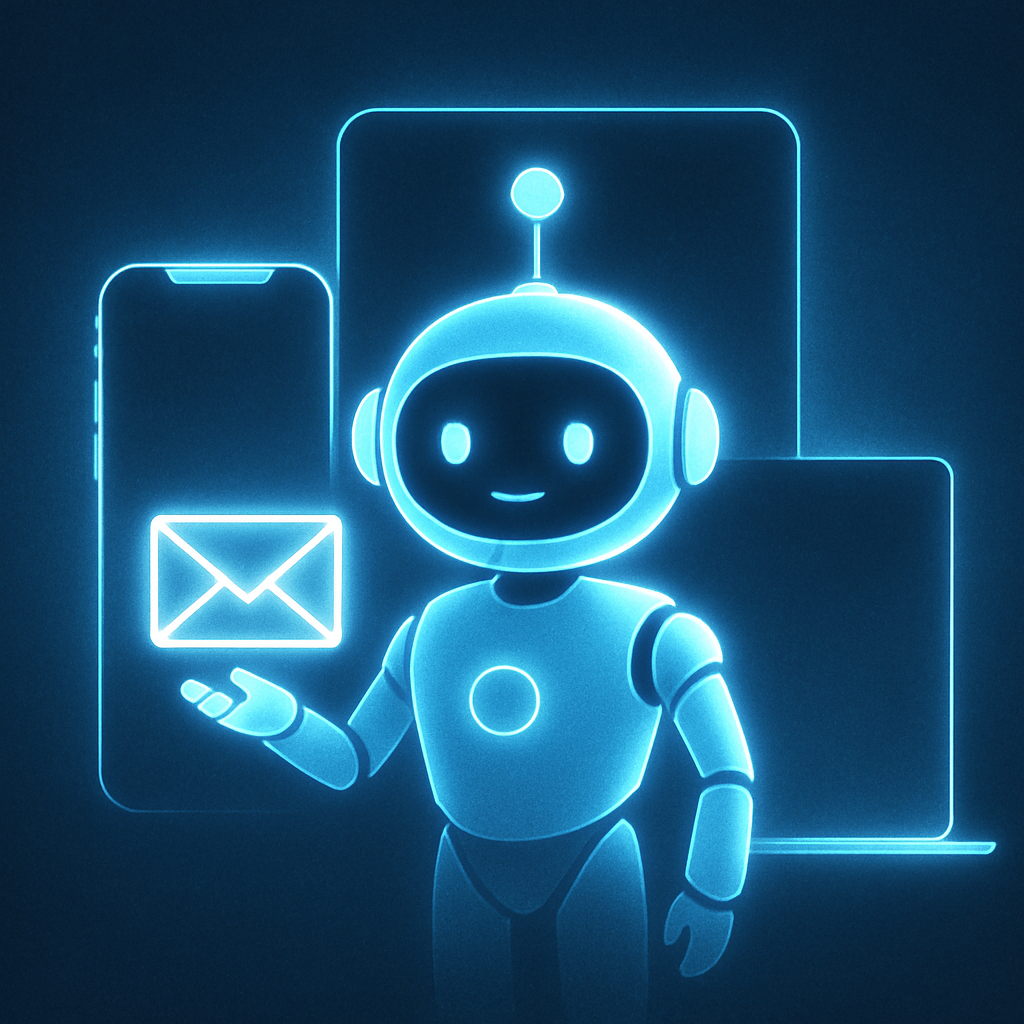
Grok Bot has gained a notable update: it now offers its own dedicated email address. Users can leverage this personal inbox to sign up for services, reach out to businesses on the bot’s behalf, or arrange appointments. The rollout began today, and obtaining the address is as simple as asking Grok Bot directly or tagging @bot on X. Once you do, your new email becomes available for your use.
What’s New and Why It Matters
Earlier this week, Grok Bot received a boost in cognitive capabilities via integration with Anthropic’s Claude AI model, enhancing its reasoning and responsiveness. This upgrade follows closely behind efforts from Meta, which has introduced its largely free Muse agent now supporting iPad, and from OpenAI, which is expanding its proactive assistant offerings such as ChatGPT Dot powered by Astra. Grok Bot is now accessible across Apple hardware—iPhones, iPads, and Macs.
How to Claim Your Email Address
To activate your Grok Bot email address, just speak to Bot and request it, or tag @bot on X. The setup happens immediately. Afterward, you can use this specialized address for tasks Grok Bot can manage—whether that’s registering for platforms, communicating with businesses for you, or helping coordinate your schedule.
This email feature complements Grok Bot’s existing functionality and intelligence. With the integration of Claude, expectations around what such virtual agents can do—particularly around autonomy, task management, and workflow assistance—are being raised. Grok Bot already serves users through Apple devices in all major form factors, making these enhancements broadly available.
As agents from rival platforms like Meta’s Muse and OpenAI’s ChatGPT Dot introduce similar value propositions, the landscape is rapidly shifting. Grok Bot’s email address gives it a new role in digital tasks, while its AI upgrades position it to compete more directly on trust, autonomy, and usability across ecosystems.
This step may seem small—just assigning an email—but it signals growing expectations for AI agents to operate in more deeply integrated, user-facing roles. For consumers, it’s a convenience; for developers and competitors, it’s a marker that the bar for AI assistants is rising. What to watch next: how Grok Bot manages privacy, integration with third-party services, and how its rivals respond with their own autonomy-focused tools.