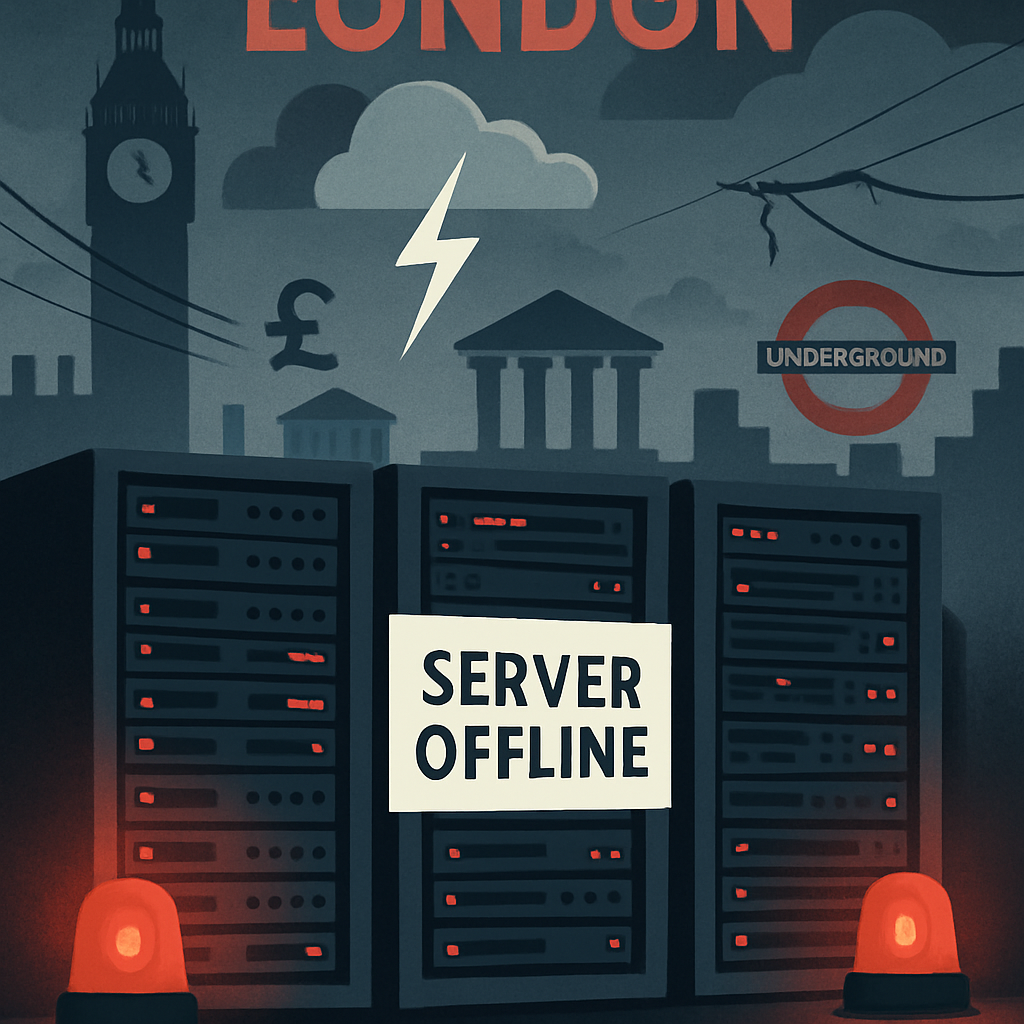
On Tuesday, October 20, 2026, a power disruption in Google’s London cloud region (europe-west2-b) caused a cascade of outages across services in the UK. Starting around 07:08 BST, essential platforms such as Cloud Run, App Engine, Kubernetes Engine, and Cloud Filestore saw sharply elevated error rates and network problems. Although much of the impact was later mitigated, some customers remained affected through the afternoon.
Major Services and Institutions Disrupted
Financial institutions were hit hard: Revolut reported its card payments and ATM withdrawals went down, while Halifax and HSBC acknowledged service interruptions. Lloyds stated that core app and login operations were intact, though certain online features failed. The judiciary also faced turmoil when HM Courts & Tribunals Service said its Cloud Video Platform—used for remote hearings—went offline around 10:00 BST, blocking trials and other proceedings across England and Wales.
The disruption extended into healthcare and delivery services. An NHS app booking system tied to a third-party provider malfunctioned, preventing users from scheduling appointments before recovery around midday. DPD, the logistics firm, experienced web connection failures that were later resolved.
Google’s Response and Broader Lessons
Google acknowledged the outage was caused by a power event in its London data center’s B zone. Engineers brought the issue under control, prioritizing existing workloads. However, creating new workloads remained unreliable for some users in the wake of the recovery. A full technical explanation for the power event has not yet been disclosed, though an investigation report is expected.
This outage highlights the fragility of centralized cloud infrastructure. It’s not unusual for multiple unrelated services to suffer when a single hub fails—whether due to power loss, software bugs, or network issues. Businesses large and small must ask whether their backup or redundancy plans are sufficient to keep vital services running when a cloud region goes dark.
The timing of this incident echoes previous cloud failures—such as earlier outages in cloud APIs and AWS—underscoring how easily broad disruption can ripple through multiple sectors.
What this means: Reliance on cloud services continues to grow, and with it, the stakes when something goes wrong. Organizations can minimize risk by designing systems that tolerate failures—using multi-region deployment, offline backups, or fallback solutions. As Google discloses its findings, clients and cloud users will be watching to see how better resilience is built into infrastructure going forward.