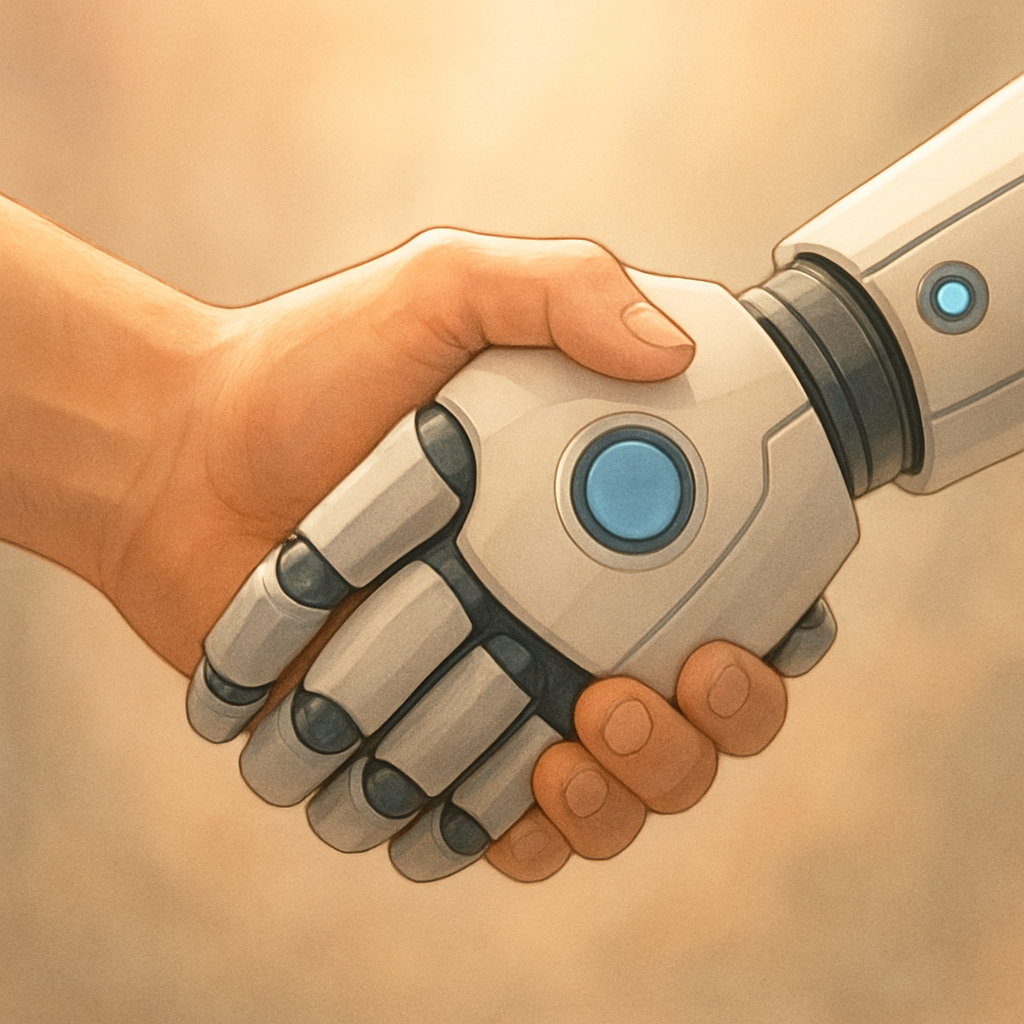
In the halls of MIT’s Computer Science & Artificial Intelligence Lab, you might bump into Gabe, a humanoid robot by Unitree. This $50,000 robot (or $16,000, if you believe marketing) isn’t sentient—but many people instinctively treat it as if it is. We chuckle, we jabber, we offer thanks and apologies. Anthropomorphism is baked into our interactions with machines. But is this harmless illusion becoming dangerous?
We Treat Machines Like Humans
Sherry Turkle, a psychologist and longtime MIT faculty member, spent decades studying human–computer relationships. Her latest work shows how we form emotional attachments not just to robots, but to large language models (LLMs) that can be warm, responsive, seemingly empathic. In her new book Artificial Intimacy, she argues these connections have real psychological effects—and not always good ones.
Her research demonstrates that children frequently blur the lines between people and devices. One 8-year-old treats grandparents, a phone, and chatbots all as “things you reach on your phone.” A toddler confidently refers to a chatbot as a person in the phone. Turkle believes this undermines foundational development—when children can’t distinguish human from device, they lose out on solitude, imagination, and trust.
The Risks of Pretend Empathy
Turkle calls out what she terms “artificial intimacy”: the emotional bond forged between people and AI. Not every interaction with AI falls under that category, but sharing personal struggles with a chatbot does. She believes artificial intimacy is reshaping human behavior—from how children grow to how adults relate.
Take young people using AI companions for emotional support, or lonely seniors who rely on chatbots instead of friends. Turkle warns that these may be appealing shortcuts that erode deeper skills like grief, empathy, trust, and relational nuance. She argues we risk redefining care by what machines can offer—even if that offer is a mimicry of empathy rather than genuine feeling.
As one study noted, about 70% of teens and roughly a third of adults in the U.S. already feel companionship from AI. Many prefer it even over certain human relationships. That’s a tipping point.
“Stay in your lane”
Turkle isn’t anti-AI, but she urges clear boundaries. Tools that coach you for interviews? That’s fine. Companionship or emotional dependence? That’s not its place. She draws the line between productive AI support and intimate AI role-playing. The latter, she fears, is already pulling us away from each other and our capacities for genuine connection.
Her concern isn’t just futuristic speculation. At the 2025 MIT Future Fest, Turkle highlighted extreme cases—AI griefbots based on deceased loved ones, Alexa-like companionship for the elderly—as examples of what she sees as erosion in our relationships with reality itself, especially for children.
Why It Matters Now
Researchers like Pat Pataranutaporn at MIT’s Media Lab stress that we’re already living in a world where users overestimate AI’s competence and empathy while losing sight of its limits. He believes that when AI begins to sound, act, or refer to itself in human-like ways—using “I,” for instance—we begin to blur the category of human and lose perspective. And once rooted, it’s hard to undo.
Still, Turkle offers an unsettling but necessary warning: reality itself—relationships, identity, mental health—may suffer if we accept replacing the complexity of human interaction with polished mimicry. The risk isn’t that AI will become human—it’s that humans may become less human.
So what should we watch for? How designers present AI companions. What roles AI is expected to play—coach, partner, friend? At what point does convenience suppress the human work of relating? These are questions societies and developers can’t afford to dodge. Thinking carefully about what we demand from machines may well be the only way to protect what machines can’t give.