YouTube is rolling out a new feature that gives users more control over what they see. Starting next month, a tool called “custom feeds” will allow people to write their own prompts—describing the kinds of videos they want—and receive a personalized feed built using AI. It’s a big shift from traditional algorithmic recommendation systems.
How it works
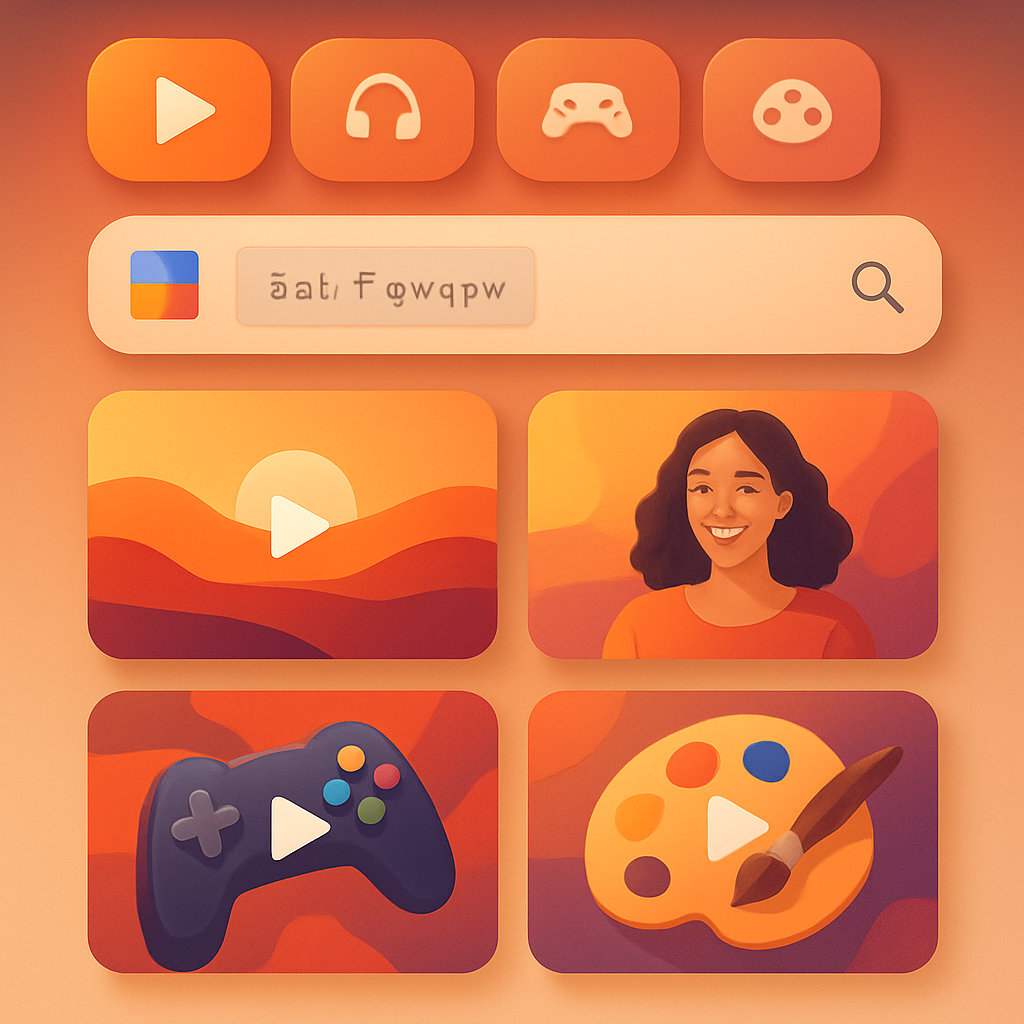
To create a custom feed, you just type a description of what you’d like to watch—say, advice for a 30-minute train ride or soothing commentary to wind down in the evening. The company uses its Gemini AI language model to interpret your prompt and generate a feed around that. You can specify what you want included or excluded, whether you prefer certain topics, moods, or creators, and how prominently they should appear. Once created, the feed is pinned in its own tab at the top of your YouTube home page.
What’s new—and what stays the same
This isn’t replacing YouTube’s main feed of algorithmically recommended videos. Instead, custom feeds become an option you can access so you can switch between a general recommendation stream and one tailored to a mood, interest, or intent. Support for building multiple custom feeds across both web and mobile platforms will roll out next month.
Why now? Other platforms and user demand
YouTube isn’t alone here. Social and media apps like Bluesky, Threads, Instagram, X, and Spotify have introduced similar tools that let people shape what they see via AI-assisted feed settings. These changes reflect growing user desire for more transparency and control over what recommendation engines suggest.
The company frames this update as a path to helping users better navigate YouTube’s massive library—currently over 20 billion videos. With so much content available, it argues, being able to hone in on what you really want could make discovery easier and more satisfying.
Rolling out next month, custom feeds will appear in both the app and browser versions of YouTube, enabling users globally to build and manage their own feeds.
What this means: Giving users the power to guide their recommendations introduces new questions around balance. Will people craft echo chambers? How well will YouTube moderate what’s in custom feeds? And how might this change creators’ reach when algorithms are more fragmented? For the wider AI and social media space, this feature signals a turning point: recommendation systems aren’t just run by platforms—they’re becoming co-created with users. Going forward, watching how YouTube tunes content moderation, transparency, and algorithmic influence will be key.