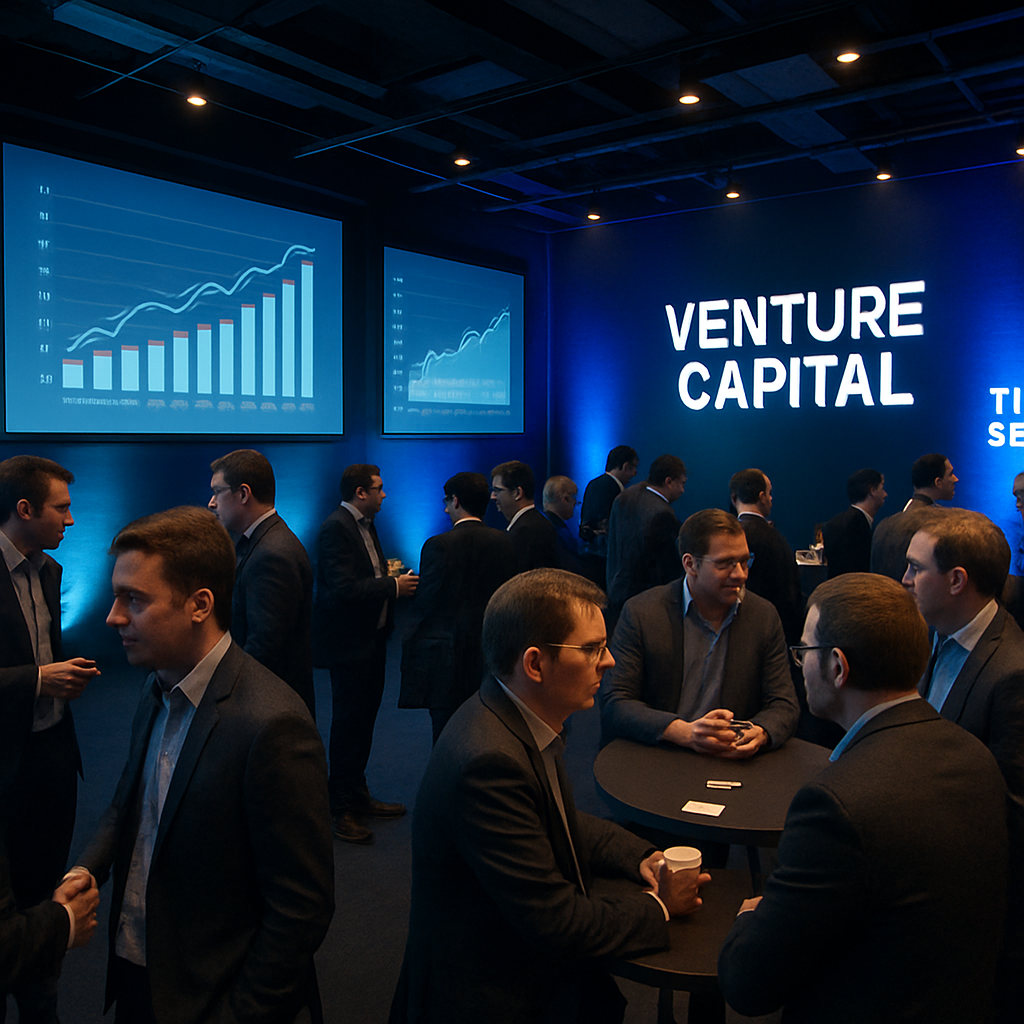
Venture capital is shifting fast. At Disrupt 2026, a new panel titled “StrictlyVC: Inside the Changing Rules of Venture Capital” will explore how rising AI influence, evolving public markets, and fresh funding sources are reshaping the VC world. Founders, investors, and LPs are seeing rules flip—from how funds flow to what success looks like.
What’s Onstage at Disrupt
The StrictlyVC track will feature sessions across several key themes. One will dissect how the IPO process has transformed: it’s open again, but the bar is higher—strong growth, solid governance, and credibility are more essential than ever. Another will spotlight family offices, which are growing rapidly as both backers and competitors to traditional venture firms, often investing faster and with fewer strings attached.
Limited partners (LPs) also get their moment. With institutional investors rethinking exposure—especially toward AI—there’s a scramble for venture firms to prove they’re worth backing. LPs are evaluating everything differently now: performance metrics, concentration of risk, liquidity paths, and track records are under closer inspection.
Event Logistics & Focus
The StrictlyVC event takes place Oct. 14 during TechCrunch Disrupt in San Francisco’s Moscone West. Access—networking, panels, and candid conversations—is gated behind an Investor Pass. There’s a special registration window: sign up by Sept. 25 at 11:59 p.m. PT to save about $200.
Agenda highlights include:
- 3:00–3:45 p.m.: Networking over drinks and light bites
- 3:45–4:50 p.m.: StrictlyVC Conversations focused on new IPO expectations, family office dynamics, and what LPs want today
- 4:50–6:00 p.m.: More networking among founders, VCs, and emerging managers
TechCrunch Disrupt as a whole gathers 10,000+ stakeholders—founders, operators, investors—for three days (Oct. 13–15) of programming across stages, breakout sessions, and demos. The StrictlyVC segment digs deeper into how capital is flowing now, not just where it’s going.
This spotlight comes at a moment when venture firms must adapt to a more disciplined exit environment, when nontraditional funders like family offices hold more sway, and when LPs seek different signals before writing checks. For founders, this means thinking long term—not just about growth, but about structure, credibility, and clear paths to liquidity.
When it comes to VC’s future, this isn’t about one disruptive technology—it’s about systemic change. And the deals you close next, the backers you attract, and the exit you plan will all look a bit different than they did even a year ago.