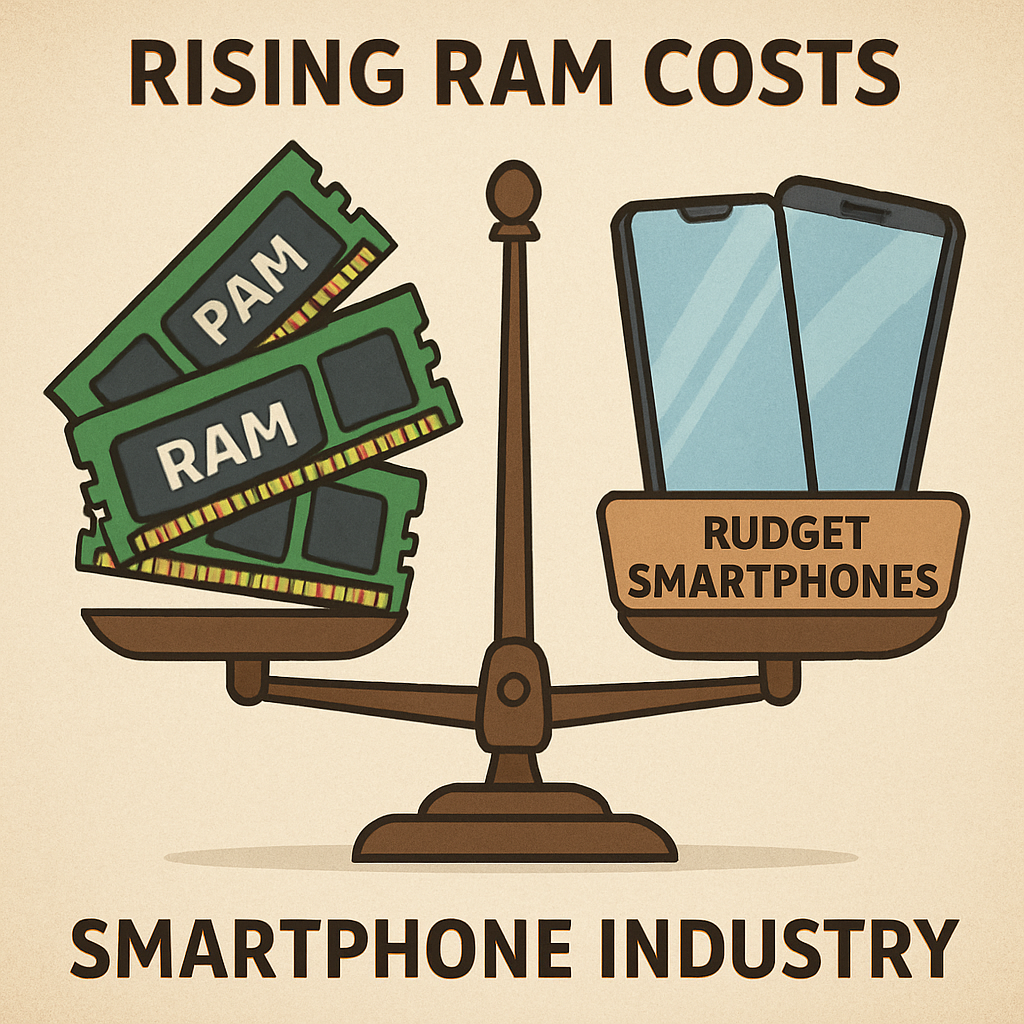
The escalating costs of RAM, a phenomenon dubbed ‘RAMageddon,’ are significantly impacting the Android smartphone market, particularly affecting budget devices. Recent analyses indicate that memory now constitutes up to 64% of the production cost for ultra-low-end smartphones priced at $99 or less. For devices in the $100-$400 range, memory accounts for up to 59% of the total material cost. This surge in RAM prices has led to a projected 22% year-over-year decline in smartphones priced below $400, as manufacturers either increase prices or withdraw from this segment altogether.
To mitigate these rising costs, smartphone manufacturers are implementing various strategies. Some are opting to downgrade components, such as using lower-quality display panels, reducing the number of camera sensors, or incorporating smaller sensors. Additionally, there is a trend toward utilizing previous-generation system-on-chip (SoC) options to keep production expenses in check. For instance, Motorola has maintained the same chipsets across most of its Moto G and Motorola Razr series releases this year, reflecting this cost-saving approach.
The impact of RAMageddon is also evident in recent product launches. Nothing’s Phone (4b), released today, finds itself in a challenging position due to its pricing. The device is priced only slightly lower than the more capable Phone (4a), making it less attractive to consumers seeking value for money. This pricing dilemma underscores the broader challenges manufacturers face in balancing component costs with competitive pricing.
While the budget smartphone segment is experiencing a decline, shipments of new phones priced over $400 are expected to rise by 5.7% this year. However, even higher-end devices are not immune to the effects of rising RAM costs. Manufacturers across the board are being forced to make strategic decisions to manage expenses, which may include component downgrades or price adjustments.
In light of these developments, consumers may find that purchasing last year’s flagship models offers better value than investing in new devices that have undergone downgrades to offset increased production costs. This trend suggests a shift in consumer behavior, where the emphasis is placed on overall performance and value rather than owning the latest model.
As RAMageddon continues to influence the smartphone industry, it is crucial for both manufacturers and consumers to adapt to the changing landscape. Manufacturers must find innovative ways to manage production costs without compromising quality, while consumers should remain informed about the trade-offs involved in new device purchases. The coming months will reveal how the industry navigates these challenges and whether alternative solutions emerge to address the rising costs of essential components like RAM.