Apple has devised a smart firmware-based workaround so that the iPhone 18 Pro Max can be shipped without triggering hazardous battery regulations. When fresh out of the factory, the device’s battery capacity is deliberately limited to just under 20 watt-hours — the point at which many countries impose stricter rules for moving lithium-ion batteries. Once the user activates the phone, the full battery spec unlocks. This restriction does not actually reduce what the battery is capable of long term.
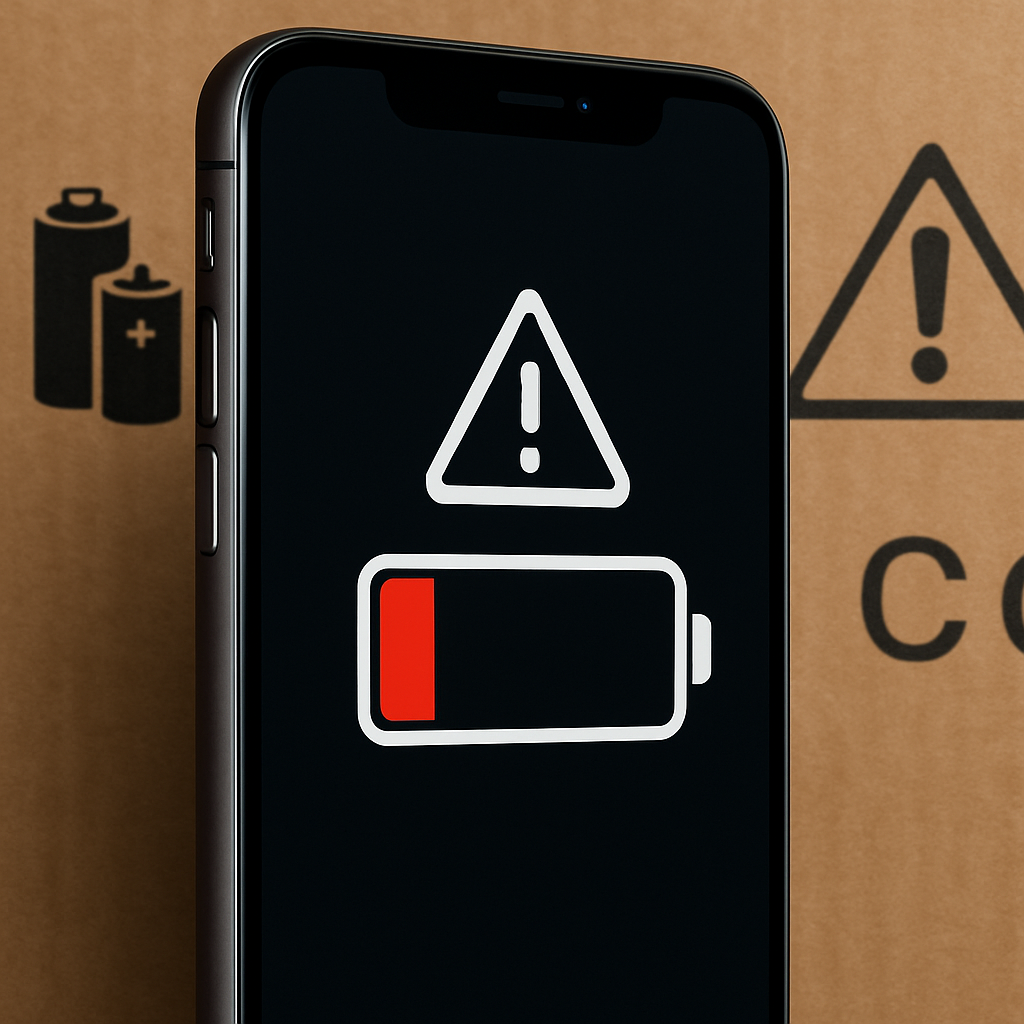
The battery cap was discovered on devices delivered beginning September 18, and an Apple support document dated the same day explains that the feature is implemented in software. It keeps battery capacity temporarily lowered during transit through factory, logistic, and shipping stages, then lifts the limit automatically after activation by the end user. Full capacity includes all intended watt-hour output, meaning users won’t lose runtime after setup. The new model is rated for up to 45 hours of video playback — six more than last year’s iPhone 17 Pro Max.
“Prepare to Ship”: How It Applies After You Own It
For those needing to send in their iPhone 18 Pro Max for repairs, returns, trade-ins, or gift exchanges, Apple includes a “Prepare to Ship” mode. That setting drops battery charge and capacity to comply with the same shipping threshold. Owners can access this via Settings → General → Transfer or Reset iPhone → Prepare to Ship. If battery charge is above the threshold, it will auto-discharge until safe for transit. During this period, devices may feel warmer than normal, though basic functionality continues unless the phone has already been erased.
When shipping-safe conditions are met, a red “Ready to Ship” badge appears in the settings. Prepare to Ship limits charging to 80% for a two-week span if the phone has been prepared for repair or return. The limit can be cleared after 14 days, and the entire mode can be cancelled immediately in most cases like selling or gifting the device.
What Doesn’t Need This Workaround
Unopened units freshly out of Apple’s factory already ship with the restricted battery state, so users do not need to manually enable any settings. Also, carrying the device yourself on a plane or other travel scenarios doesn’t require using the Prepare to Ship mode. Other iPhone models are unaffected — only the 18 Pro Max crosses the 20 Wh line when full.
This firmware-based shipping compliance highlights how companies navigate international safety rules for lithium batteries. That 20 Wh threshold is a common global standard that, once exceeded, triggers heavier rules around packaging, transport, and airline regulations. By managing capacity via software, the device avoids extra paperwork and cost until it’s in the hands of consumers.
What this move means is Apple has ensured full battery performance isn’t compromised despite regulatory hurdles. Users can expect the same battery life as advertised once the iPhone is activated. Going forward, keeping an eye on how other manufacturers respond — perhaps adopting similar firmware limits to ease shipping — will be telling. This also raises questions about transparency, consumer awareness, and how manufacturers communicate such workarounds so people aren’t surprised when their phone loses a mode like “Prepare to Ship,” or sees restricted charging.