Apple’s Formula 1 Expansion Stalled as Sky Secures Long-Term European Broadcast Rights
Apple’s aspirations to broaden its Formula 1 (F1) streaming services beyond the United States have encountered a significant obstacle. Sky Sports has successfully extended its exclusive broadcasting agreements in the United Kingdom, Ireland, and Italy, effectively preventing Apple from entering these key European markets in the near future.
Sky’s Strategic Move to Secure F1 Rights
In a proactive maneuver, Sky Sports has solidified its position as the primary broadcaster of F1 in the UK and Ireland until the conclusion of the 2034 season, and in Italy through the 2032 season. This extension adds five years to their existing contracts, which were initially set to expire in 2029. The UK and Ireland deal is reportedly valued at approximately £200 million per season, culminating in a total of around £1 billion over the duration of the agreement. This strategic move ensures that Sky maintains its dominance in these markets, leaving little room for competitors like Apple to make inroads.
Apple’s Initial Foray into F1 Broadcasting
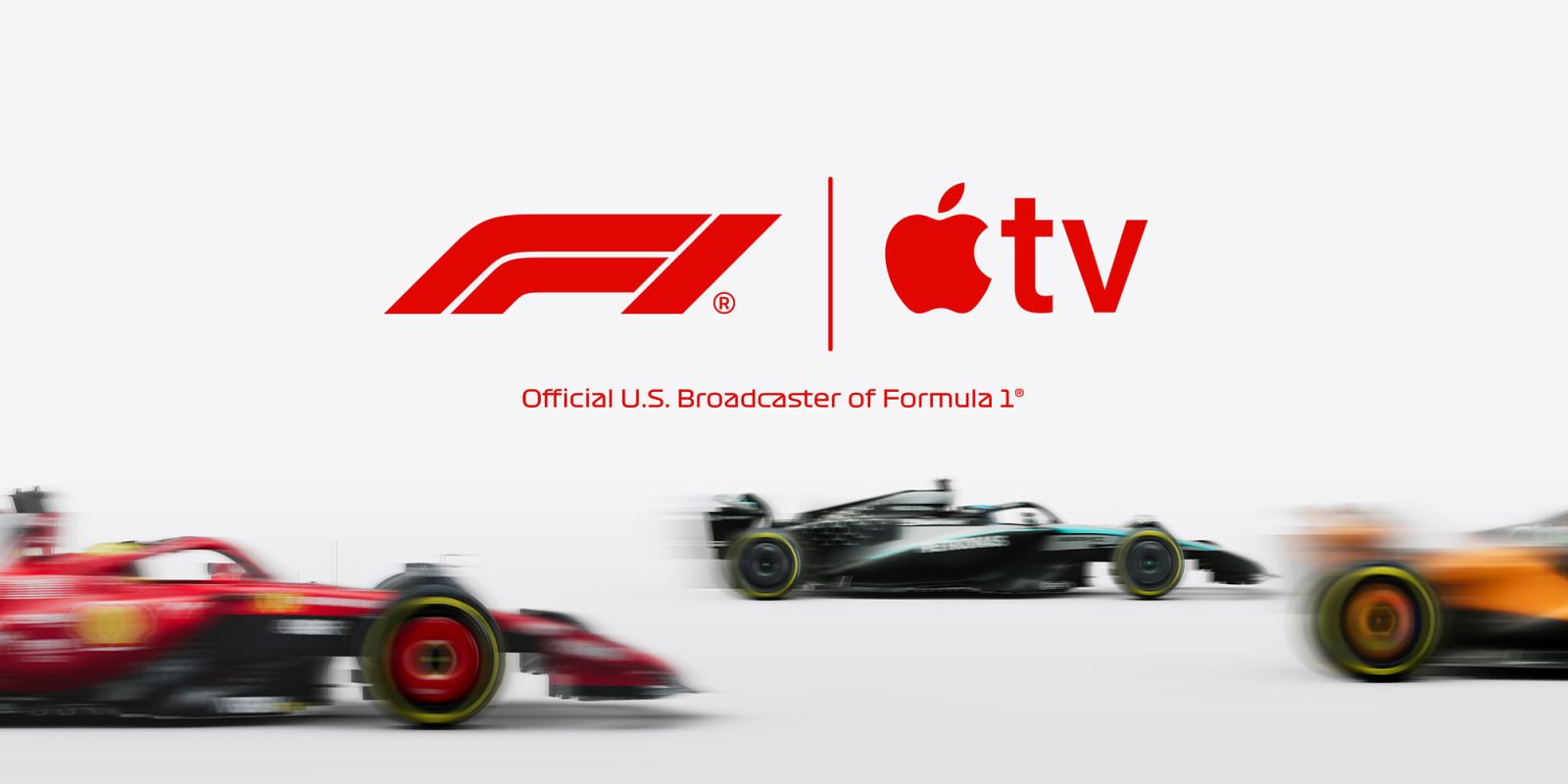
Apple entered the F1 broadcasting arena in October 2025 by securing a five-year deal to become the sport’s exclusive streaming partner in the United States, starting with the 2026 season. This partnership marked a significant step for Apple, aiming to leverage its robust ecosystem to enhance the F1 viewing experience for American audiences. The integration included dedicated F1 sections within the Apple TV app, race tracking features in Apple Sports, circuit guides in Apple Maps, and curated playlists in Apple Music.
Challenges in Expanding Beyond the U.S.
Despite its successful entry into the U.S. market, Apple’s ambitions to expand its F1 coverage internationally have been thwarted by existing broadcasting agreements. The recent extensions by Sky Sports in the UK, Ireland, and Italy exemplify the challenges Apple faces in penetrating markets with entrenched broadcasters. These long-term contracts not only secure substantial revenue for F1 but also underscore the enduring value of traditional broadcasting partnerships in delivering extensive local coverage and large audiences.
The European Broadcasting Landscape
In Europe, traditional broadcasters like Sky continue to play a pivotal role in the dissemination of F1 content. Their comprehensive coverage includes every practice session, qualifying round, sprint race, and Grand Prix, catering to a dedicated fan base. The recent extensions reflect a preference for established broadcasters who have consistently delivered high-quality production and editorial coverage, contributing to the sport’s growth in these regions.
Apple’s Strategy and Future Prospects
Apple’s strategy has been to focus on the U.S. market initially, with the hope of expanding into other territories over time. Eddy Cue, Apple’s Senior Vice President of Services, emphasized this approach, stating that starting in the U.S. was the best strategy and expressing hope for future expansion. However, the recent developments indicate that such expansion may be more challenging than anticipated, especially in markets where long-term broadcasting rights have been secured by competitors.
Implications for the Global F1 Broadcasting Market
The extension of Sky’s broadcasting rights in key European markets highlights the complexities of the global F1 broadcasting landscape. While Apple has the financial resources to compete for sports rights, regional licensing deals and established television partners continue to provide predictable revenue streams and access to large, built-in audiences. This scenario suggests that a rapid shift toward a global streaming model may not be imminent, and traditional broadcasters will continue to play a significant role in the sport’s media strategy.
Conclusion
Apple’s endeavor to expand its F1 streaming services beyond the United States has encountered a significant setback due to Sky Sports’ proactive extension of broadcasting rights in the UK, Ireland, and Italy. This development underscores the challenges new entrants face in penetrating markets with established broadcasters and highlights the enduring value of traditional broadcasting partnerships in the global sports media landscape.