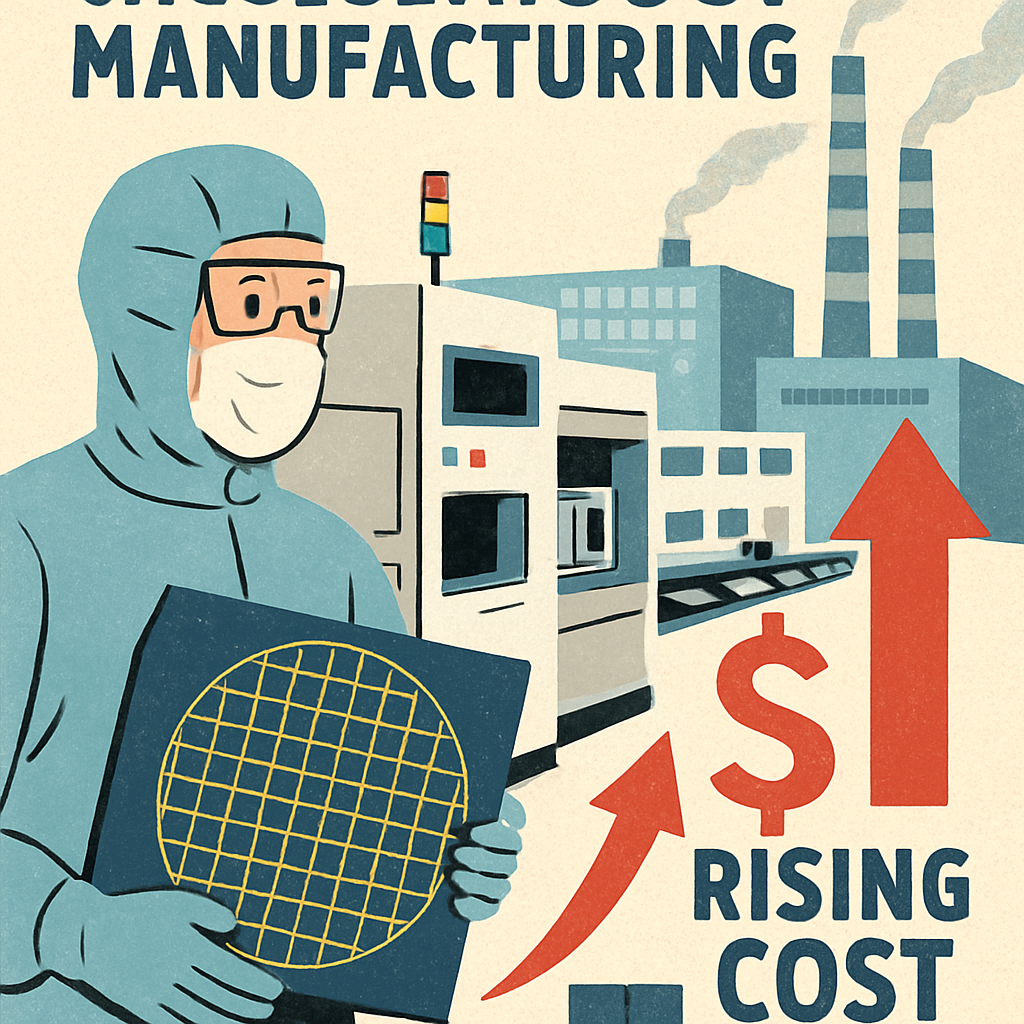
Apple’s primary chip supplier, Taiwan Semiconductor Manufacturing Company (TSMC), is set to implement price increases of up to 10% starting in 2027. This decision follows discussions with clients about raising base prices by 5% to 10% across both mature and advanced manufacturing processes, including the 7-nanometer and smaller nodes utilized in Apple’s A-series and M-series chips. Negotiations, which began in June, concluded this month, with the new pricing slated to take effect at the beginning of 2027.
Clients placing additional high-performance computing orders beyond their initial forecasts will face an extra premium of 10% to 15%, potentially resulting in overall cost increases exceeding 10% for some advanced chip orders. These price adjustments are attributed to escalating costs for materials, manufacturing equipment, and the construction of new overseas chip fabrication plants.
TSMC has reportedly chosen to delay the implementation of these hikes until 2027 to provide clients with sufficient time to adapt. While the company declined to comment on specific pricing details, it emphasized that its market approach is “strategic, not opportunistic.”
As TSMC’s largest customer, Apple is directly impacted by these forthcoming price increases. The timing coincides with the anticipated launch of Apple’s 20th-anniversary iPhone models in 2027. It remains uncertain whether Apple will absorb these additional costs or pass them on to consumers. Notably, in June 2026, Apple raised prices across multiple product lines, a move CEO Tim Cook described as “unavoidable” due to soaring memory and storage chip costs.
In the broader context, TSMC’s planned price hikes reflect the ongoing challenges within the semiconductor industry, including supply chain constraints and increased demand driven by advancements in artificial intelligence and high-performance computing. These factors contribute to rising production costs, which are now being transferred to clients. For Apple and other tech companies, this development underscores the importance of strategic supply chain management and cost mitigation strategies to maintain competitive pricing and profitability in a rapidly evolving market.