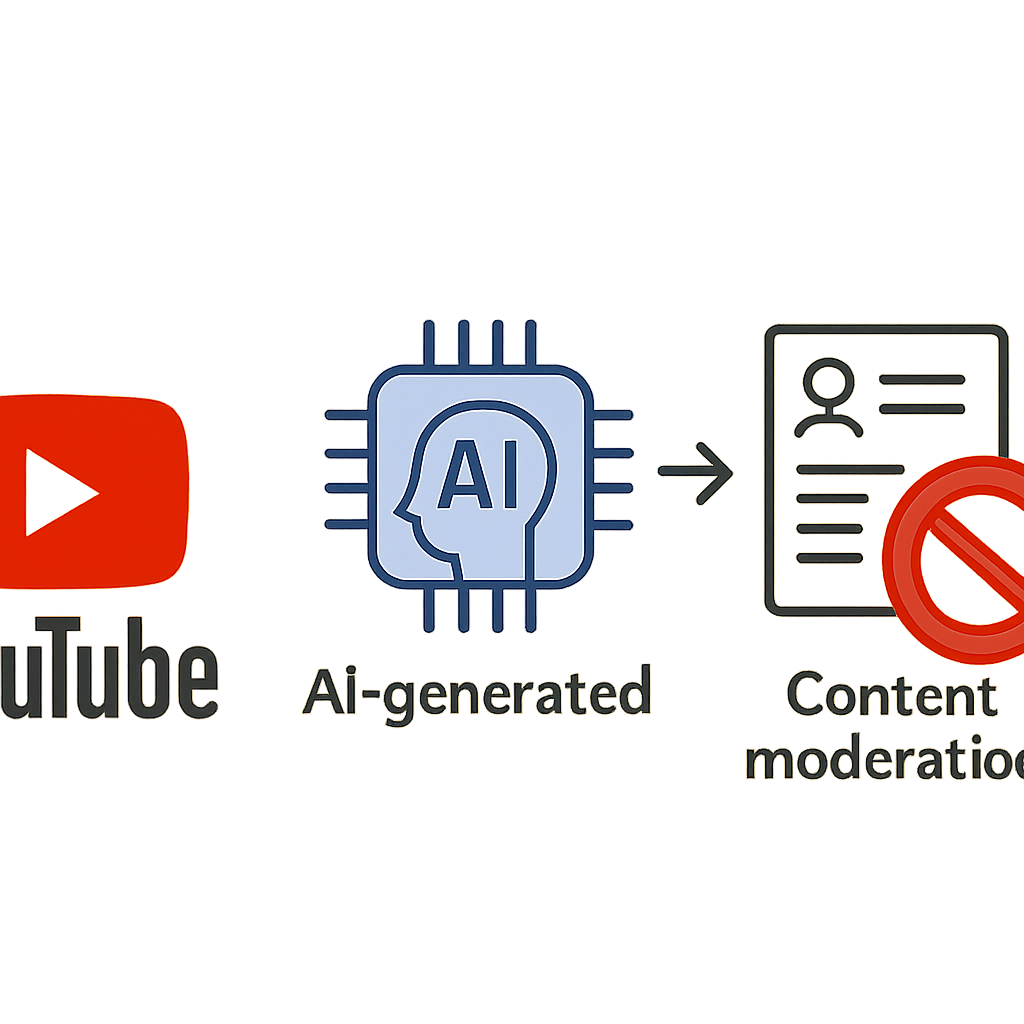
YouTube has recently refined its content monetization policies to address the proliferation of AI-generated, low-quality videos, often referred to as “AI slop,” and to manage content that may be considered disturbing or upsetting. This move aims to maintain the platform’s integrity and ensure a positive user experience.
Clarifying Inauthentic Content
The updated guidelines categorize inauthentic content into three distinct types:
- Generic, Repetitive, or Template-Based Content: Videos that are mass-produced with minimal variation, often utilizing AI or templates, resulting in a lack of originality.
- Off-Putting or Distressing Content: Material that is unsettling or disturbing to viewers, potentially causing discomfort.
- AI Personas Discussing Sensitive Topics: Content where AI-generated characters address subjects like health or finance, which require a high degree of accuracy and sensitivity.
By delineating these categories, YouTube aims to discourage content farming practices that prioritize quantity over quality, ensuring that monetized content offers genuine value to viewers.
Addressing Content Farming and AI Misuse
Matt Halprin, YouTube’s Trust and Safety Chief, highlighted the dual-edged nature of AI in content creation. While AI can enhance creativity and enable the production of high-quality videos, it also facilitates the rapid generation of repetitive and low-quality content. Halprin emphasized the importance of fostering creativity and originality, stating that content lacking a narrative arc or creative input falls short of YouTube’s standards for monetization.
For instance, tutorial videos that merely replicate existing content without offering new insights or perspectives may be deemed ineligible for monetization under the new guidelines.
Implications for Creators
These policy updates signal YouTube’s commitment to maintaining a high-quality content ecosystem. Creators are encouraged to focus on originality and to avoid relying heavily on AI-generated or templated content. Additionally, when addressing sensitive topics, creators should exercise caution to ensure accuracy and appropriateness, especially when utilizing AI personas.
By implementing these measures, YouTube aims to balance the innovative potential of AI in content creation with the need to prevent the platform from being inundated with low-quality or misleading videos. This approach not only protects viewers but also upholds the platform’s reputation as a source of reliable and engaging content.
As AI technology continues to evolve, platforms like YouTube must adapt their policies to address new challenges. This proactive stance is essential in maintaining user trust and ensuring that the platform remains a valuable resource for both creators and viewers.