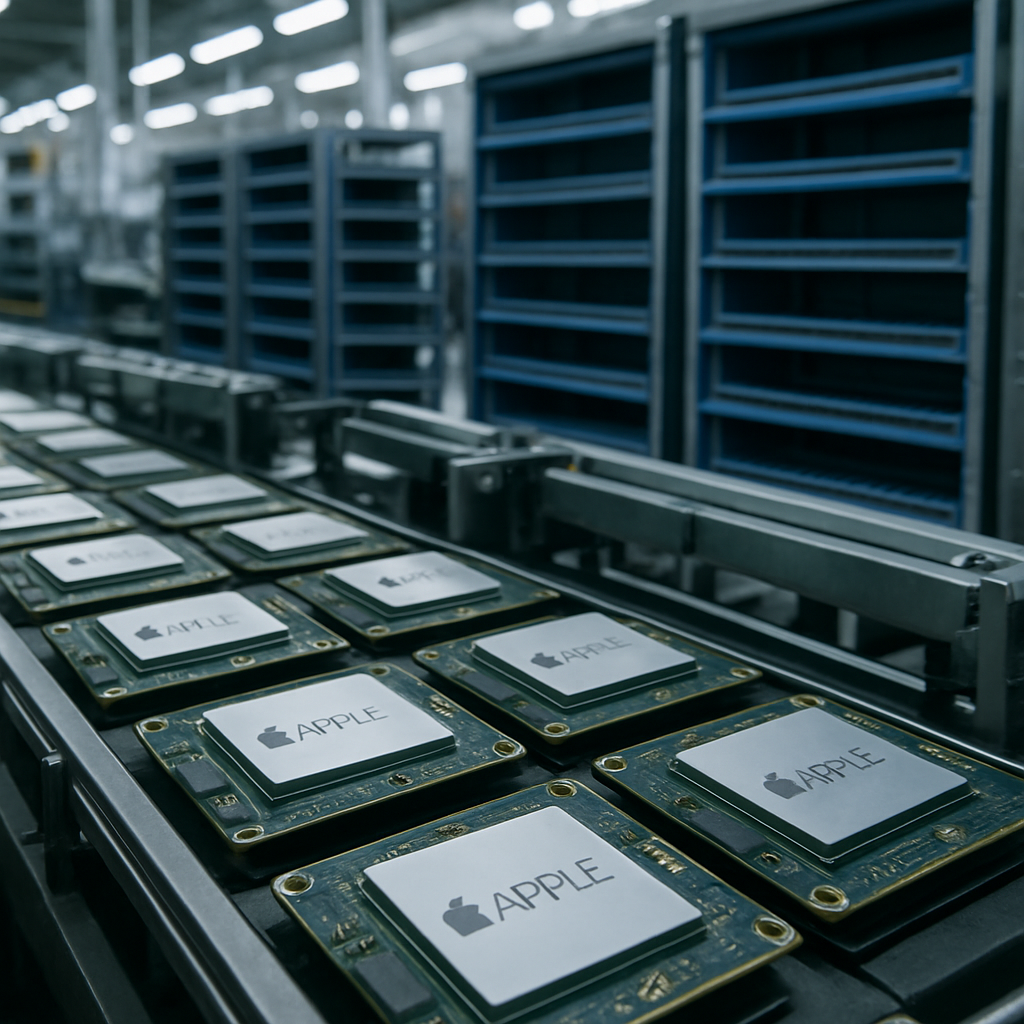
Apple and its manufacturing partners are urgently working to secure sufficient mobile DRAM to complete production of the upcoming iPhone 18 Pro and the company’s first foldable iPhone, reportedly named the iPhone Ultra. According to semiconductor analyst Tim Culpan, approximately $1 billion worth of unpackaged processors are currently idle, awaiting the necessary memory chips.
With the anticipated debut of these devices less than six weeks away, assemblers are collaborating with Apple to expedite DRAM shipments. Apple primarily relies on Micron for memory but also sources from SK Hynix and Samsung. While there is confidence in meeting initial demand, concerns persist that online order wait times could extend, and retail inventory may deplete rapidly.
This year’s iPhone lineup is set to feature the A20 Pro chip, Apple’s first processor built on TSMC’s N2 process, which began volume shipping earlier this year. Production is reportedly progressing well, with satisfactory volume and yields. However, completed wafers are accumulating because the necessary DRAM for packaging has not arrived. Without the corresponding DRAM, packaging cannot proceed, leading Culpan to estimate that TSMC currently holds approximately $1 billion worth of Apple processors awaiting the next production stage.
This bottleneck threatens to impact the final stages of iPhone production. Main logic board assembly and final assembly are primarily managed by Foxconn and BYD in China. Delays in packaged processor deliveries could compress their production schedules, even if Apple ultimately secures enough memory for the launch.
The current memory shortage is part of a broader trend, as increased AI infrastructure spending consumes global DRAM supply. Apple CEO Tim Cook acknowledged these constraints during the company’s July 30 earnings call, stating that Apple was “seeing some very significant constraints currently, with limited flexibility in the supply chain.”
These challenges have already led Apple to raise prices and adjust production priorities. Bloomberg’s Mark Gurman reported that Apple is steering buyers toward the MacBook Pro and away from the MacBook Air due to these supply issues.
Assemblers have been informed that Apple plans to produce approximately 200 million units combined across the iPhone 18, iPhone 18 Pro, and iPhone Ultra over their lifetimes, with the Ultra accounting for less than 10% of that total. The remaining production is expected to be evenly split between the Pro and standard models. The foldable iPhone is likely to be priced higher than the Pro models, reflecting its premium positioning.
As Apple navigates these supply chain challenges, the company’s ability to secure adequate memory components will be crucial in meeting consumer demand and maintaining its competitive edge in the smartphone market. The situation underscores the broader impact of global memory shortages on the tech industry and highlights the importance of supply chain resilience.