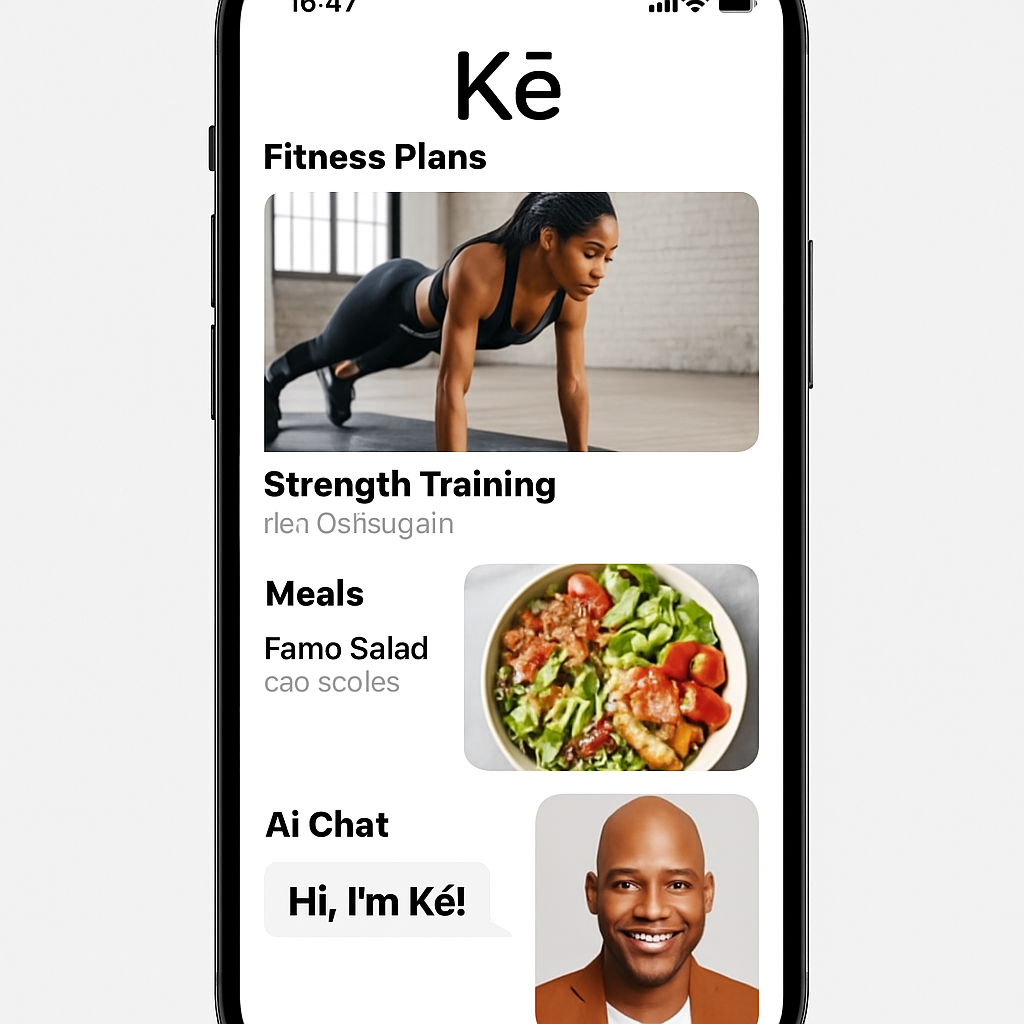
Karamo Brown, renowned for his role as the life coach on Netflix’s ‘Queer Eye,’ has introduced a new wellness application named Kē. This app is designed to assist users in achieving their health and wellness goals through personalized fitness and nutrition plans, guided meditation sessions, and community support groups.
A standout feature of Kē is the ‘AI Karamo,’ an artificial intelligence-driven digital replica of Brown himself. This AI clone offers users real-time advice and support, utilizing Brown’s voice and drawing from his extensive body of work, including interviews and podcasts. The AI technology behind this feature is developed by Delphi, a startup specializing in creating digital clones of public figures.
In addition to the AI component, Kē provides tailored fitness routines that accommodate users’ existing equipment and schedules. It also offers meal planning guidance based on the food items users have at home. To ensure proper exercise form, the app includes instructional videos accompanying each workout.
For mental well-being, Kē features a meditation section with videos targeting various emotions, aiding users in managing stress and anxiety. The app also fosters a sense of community by offering support groups focused on shared experiences, such as sobriety and general wellness discussions.
The launch of Kē reflects a growing trend of celebrities integrating artificial intelligence into their personal brands. Notably, actors like Matthew McConaughey and Michael Caine have partnered with AI companies to create digital replicas of their voices. However, this trend has also raised concerns about the unauthorized use of celebrities’ likenesses and voices in creating digital clones.
Brown emphasizes that Kē is intended as a tool to support personal development and encourage users to seek real-life support when needed. He clarifies that the app is not meant to replace human connections but to serve as a resource for reflection, learning, and growth.
The introduction of Kē highlights the increasing intersection of technology and personal wellness. As AI continues to evolve, its integration into health and wellness platforms offers new avenues for personalized support. However, it also raises important questions about the ethical use of digital likenesses and the potential impact on human relationships. Users should approach such technologies with a balanced perspective, leveraging them as tools for enhancement rather than replacements for genuine human interaction.