Uber Deploys 500 Data-Collection Vehicles to Accelerate Autonomous Driving
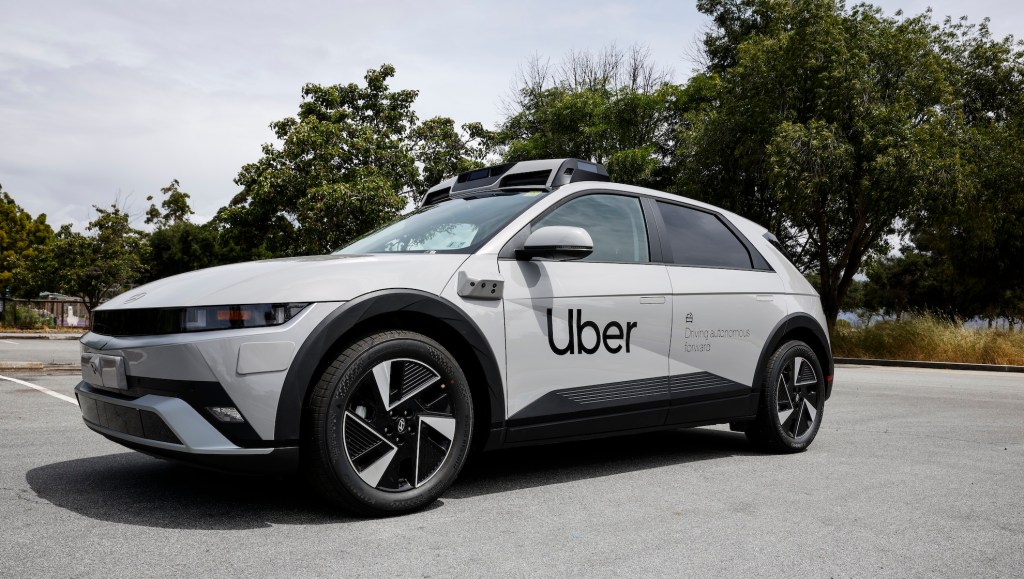
Uber has unveiled a significant initiative to bolster the development of autonomous vehicle (AV) technology by deploying 500 data-collection vehicles worldwide within the year. This fleet, comprising sensor-equipped Hyundai Ioniq 5 electric vehicles, aims to gather extensive real-world driving data to support Uber’s expanding network of AV partners, including Avride, Waymo, and WeRide.
A Strategic Shift in Autonomous Vehicle Development
This move marks a pivotal shift for Uber, representing the company’s first in-house vehicle assembly since divesting its autonomous vehicle division to Aurora in 2020. The initiative is spearheaded by Uber’s newly established AV Labs division, launched earlier this year to collect and share driving data with over 30 autonomous vehicle technology partners.
Advanced Sensor Integration
Each Hyundai Ioniq 5 in the fleet is outfitted with a comprehensive suite of sensors, including 14 cameras, eight solid-state lidar sensors, and nine radars. These components are integrated through a partnership with Roush Performance, responsible for the vehicle retrofits. The data collected is processed using Nvidia’s Dual Drive Thor autonomous vehicle computer, ensuring high-fidelity data capture. Uber plans to continually update the sensor suite to align with the evolving needs of its AV partners.
Global Deployment and Data Collection Goals
Uber intends to deploy 500 of these sensor-laden vehicles globally by the end of the year, with an initial rollout of 50 vehicles anticipated by summer. The fleet is expected to collect approximately 2 million miles of high-quality driving data per month, contributing to the development of a geographically diverse dataset tailored for autonomous driving applications.
Building a Comprehensive Autonomous Driving Dataset
The primary objective of this initiative is to create a comprehensive, time-synchronized, 360-degree view dataset that can be utilized to train self-driving software. Uber has already amassed data from thousands of vehicles equipped with outward-facing cameras operating in various cities, as well as from hundreds of Lucid Air vehicles used by its fleet partners in the U.S. and Europe over the past two years. The AV Labs division is currently analyzing this data and preparing to augment it with information from the newly deployed Ioniq 5 vehicles.
Uber’s Broader Autonomous Vehicle Strategy
The AV Labs division is a key component of Uber’s broader strategy in the autonomous vehicle sector. In February, the company launched Uber Autonomous Solutions, a division designed to manage the day-to-day operations of robotaxi services, self-driving trucks, and sidewalk delivery robots. This comprehensive approach underscores Uber’s commitment to advancing autonomous driving technology and integrating it into its service offerings.