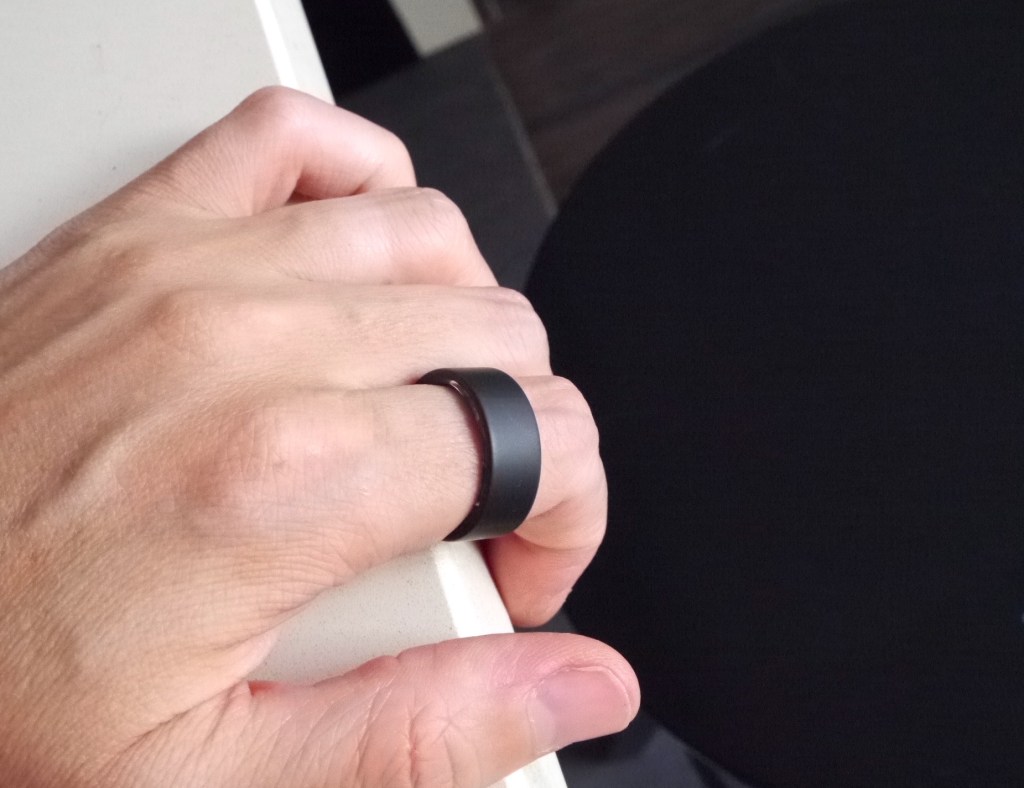
Ultrahuman Data Breach: Hackers Access Customer Wellness Information
In a recent cybersecurity incident, Ultrahuman, a prominent health-tech startup specializing in wearable devices, disclosed that unauthorized individuals accessed customer wellness data through an internal analytics tool. The breach, which occurred on March 27, 2026, was facilitated by malware that compromised an employee’s credentials.
Incident Overview
Ultrahuman, established in 2019, offers smart rings and metabolic health-tracking devices that monitor metrics such as sleep, activity, and recovery. The company’s flagship product, the Ring Air, competes directly with the Oura Ring, and they recently introduced the Ring Pro, featuring enhanced sensors and extended battery life.
On June 3, 2026, Ultrahuman informed affected customers via email about the security breach. The company detected the intrusion promptly, took the compromised system offline, and revoked all unauthorized access. According to CEO Mohit Kumar, the breach impacted approximately 0.1% of their user base. With around 700,000 monthly active users, this suggests that at least 700 customers had their wellness data accessed. Ultrahuman emphasized that no passwords, payment information, production systems, or Ultrahuman Ring devices were compromised.
Details of the Breach
The unauthorized access was traced back to malware on an employee’s laptop, which allowed attackers to steal credentials and gain entry to an internal analytics system. Ultrahuman’s security systems detected the incident within hours, enabling swift action to mitigate further risks. The company has since notified regulators and conducted a thorough audit to assess the full scope of the breach.
While Ultrahuman has not disclosed whether the attackers communicated any demands or the specific nature of the wellness data accessed, the incident underscores the vulnerabilities inherent in storing sensitive health information on centralized servers. Such breaches highlight the potential for unauthorized access by employees, governments, and malicious actors.
Industry Context
The Ultrahuman breach is part of a broader trend of cybersecurity incidents affecting health-tech companies. For instance, in April 2026, telehealth provider Hims & Hers reported a breach where hackers accessed customer support data, exposing sensitive information. Similarly, in February 2026, 360training experienced a data breach involving customer names, addresses, and credit card numbers. These incidents highlight the critical need for robust security measures within the health-tech industry to protect sensitive user data.
Company Response and Future Measures
In response to the breach, Ultrahuman has implemented enhanced security protocols, including comprehensive malware scans, employee training on cybersecurity best practices, and stricter access controls to internal systems. The company is also exploring advanced encryption methods to safeguard user data and prevent future incidents.
Ultrahuman’s proactive approach aims to restore customer trust and reinforce their commitment to data security. As the health-tech industry continues to grow, companies must prioritize the protection of sensitive user information to maintain credibility and ensure user safety.