Apple’s Liquid Glass Design to Receive Enhancements in macOS 27
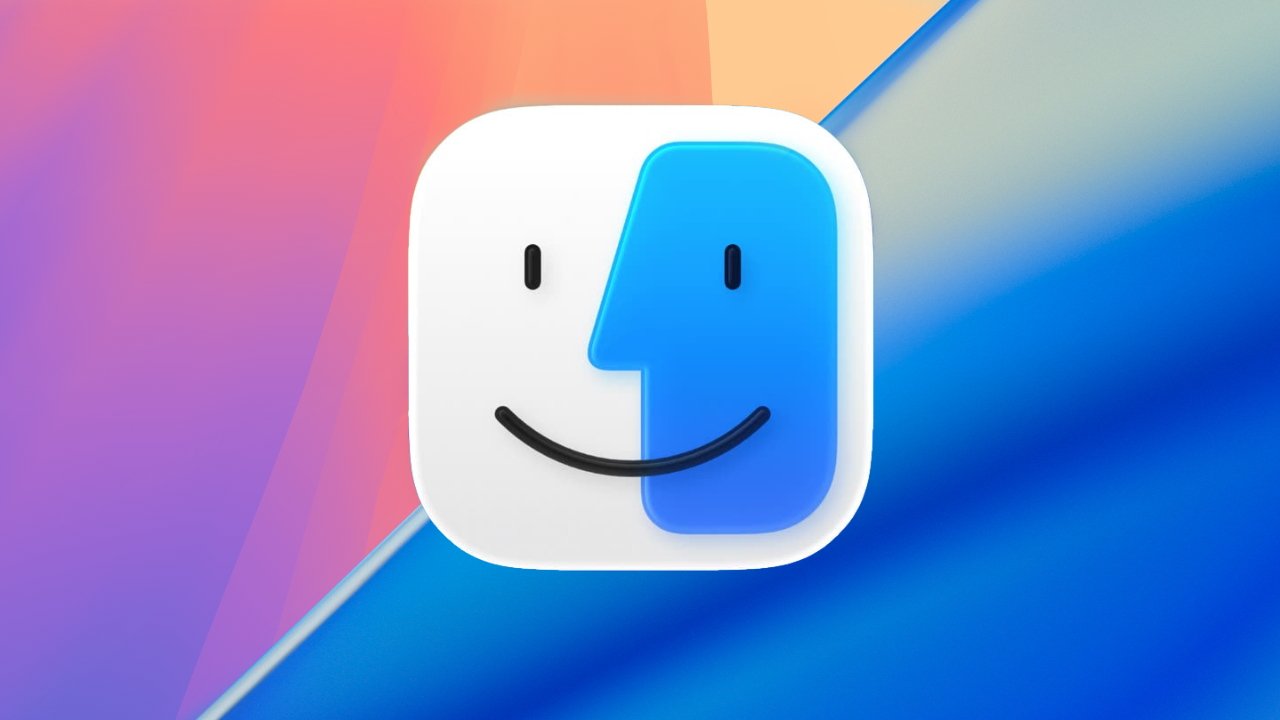
Apple’s innovative Liquid Glass design language, introduced with macOS Tahoe 26, is set to receive significant refinements in the upcoming macOS 27. Despite initial mixed reactions, Apple remains committed to this design philosophy, aiming to enhance user experience through thoughtful updates.
Introduction to Liquid Glass
Unveiled at the Worldwide Developers Conference (WWDC) in June 2025, Liquid Glass marked a substantial shift in Apple’s user interface design. This aesthetic introduced translucent elements, rounded corners, and dynamic visuals, creating a cohesive and immersive experience across Apple’s ecosystem. The design’s real-time rendering capabilities allow interface elements to adapt fluidly to user interactions, blurring the lines between hardware and software. ([appleinsider.com](https://appleinsider.com/articles/25/06/09/apples-new-and-sweeping-user-interface-design-is-called-liquid-glass?utm_source=openai))
Initial Reception and Challenges
The rollout of Liquid Glass was met with a spectrum of responses. While many users appreciated the modernized look, others expressed concerns over readability and the necessity for developers to overhaul existing applications to align with the new design standards. Some critics argued that the emphasis on aesthetics might compromise functionality. Additionally, the departure of Alan Dye, Apple’s former Human Interface Design Chief, to Meta, fueled speculation about potential shifts in design direction. ([appleinsider.com](https://appleinsider.com/articles/26/03/26/stop-holding-out-hope-liquid-glass-will-be-mandatory-in-ios-27?utm_source=openai))
Apple’s Commitment to Liquid Glass
Despite the critiques, Apple has reaffirmed its dedication to the Liquid Glass design. During a developer workshop titled Let’s Talk Liquid Glass: New Design Workshop, Apple’s Design Evangelist team addressed developer feedback, expressing genuine surprise at the resistance to the new design. They emphasized that Liquid Glass is not only here to stay but will continue to evolve and expand across Apple’s platforms. This commitment underscores Apple’s vision of a unified and dynamic user interface. ([appleinsider.com](https://appleinsider.com/articles/26/03/26/stop-holding-out-hope-liquid-glass-will-be-mandatory-in-ios-27?utm_source=openai))
Anticipated Enhancements in macOS 27
Looking ahead to macOS 27, Apple plans to introduce refinements to the Liquid Glass design to address user and developer feedback. While specific details remain under wraps, expectations include:
– Improved Readability: Adjustments to color contrasts and text clarity to enhance legibility without compromising the design’s aesthetic appeal.
– Developer Tools: Enhanced APIs and resources to facilitate smoother integration of Liquid Glass elements into third-party applications, reducing the development burden.
– Customization Options: Introducing user-controlled settings to allow personalization of transparency levels and dynamic effects, catering to individual preferences.
The Future of Liquid Glass
Apple’s unwavering support for Liquid Glass signals a long-term commitment to this design language. As the company continues to refine and expand its features, users can anticipate a more polished and user-friendly interface. The upcoming WWDC 2026 is expected to shed more light on these developments, offering a glimpse into the future of macOS and its design evolution.
Conclusion
The Liquid Glass design represents a bold step in Apple’s pursuit of a seamless and immersive user experience. While its initial introduction sparked debate, the forthcoming enhancements in macOS 27 demonstrate Apple’s responsiveness to feedback and its dedication to continuous improvement. Users and developers alike can look forward to a more refined and adaptable interface that balances form and function.