Could Apple’s ‘iPhone Neo’ Be the Game-Changer to Rival Android?
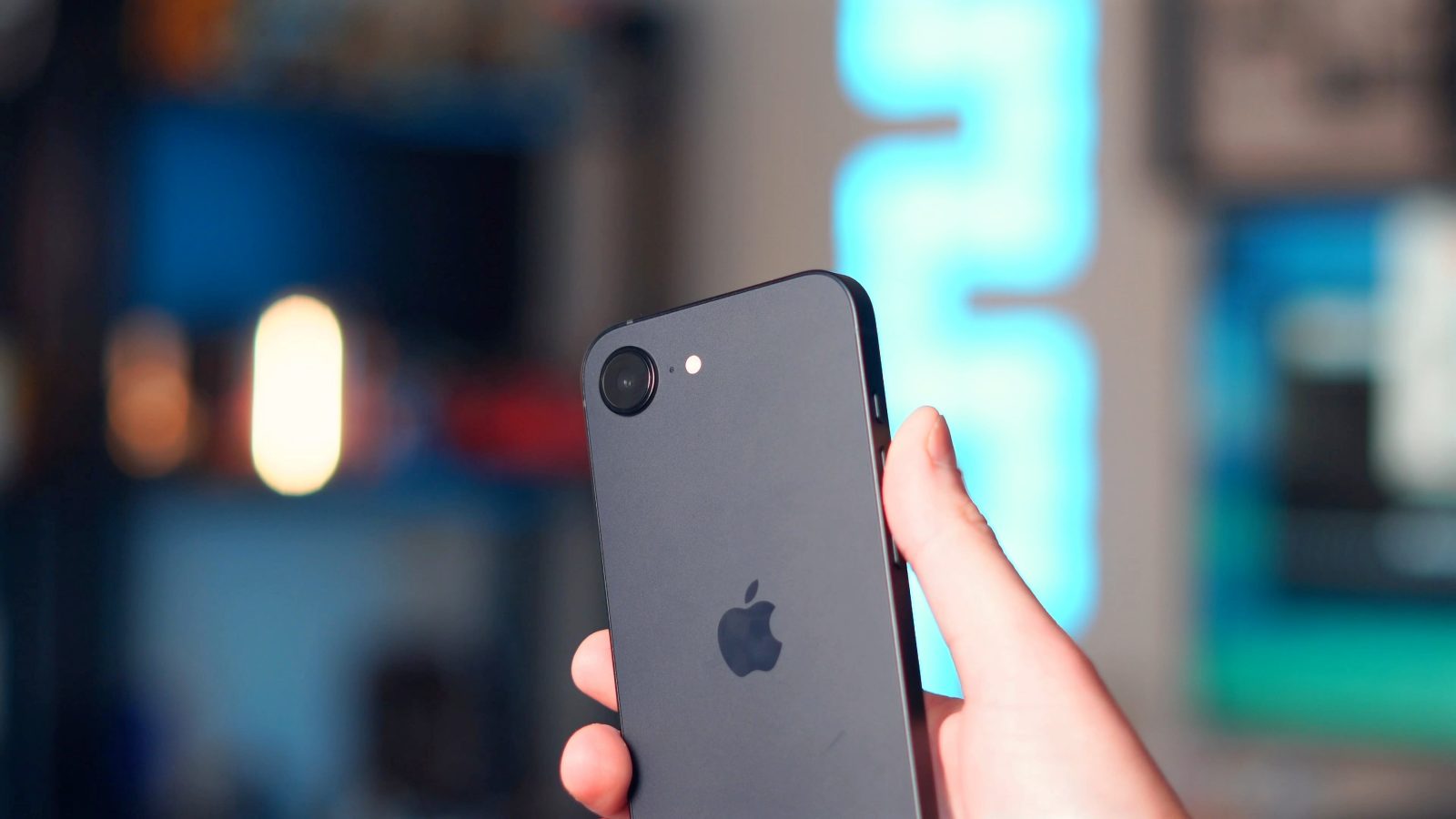
In 2025, Apple introduced the iPhone 16e at a $599 price point, aiming to offer a more affordable option within its smartphone lineup. This model received a refresh in 2026, now featuring the A19 chipset, increased storage capacity, and the addition of MagSafe technology. Despite these enhancements, the iPhone 16e has maintained a steady, albeit unremarkable, presence in the market. It serves as a competent device at a reasonable price but hasn’t significantly disrupted the smartphone landscape or attracted a substantial number of Android users to switch to iOS.
In contrast, Apple’s launch of the MacBook Neo earlier this year marked a significant departure from its traditional product strategy. Priced at an accessible $599, the MacBook Neo delivered impressive performance and features, challenging the expectations of what Apple could offer at a lower price point. This strategic move not only appealed to existing Apple enthusiasts but also successfully attracted PC users considering a switch to macOS. The MacBook Neo’s success underscores the potential impact of offering high-quality products at more competitive prices.
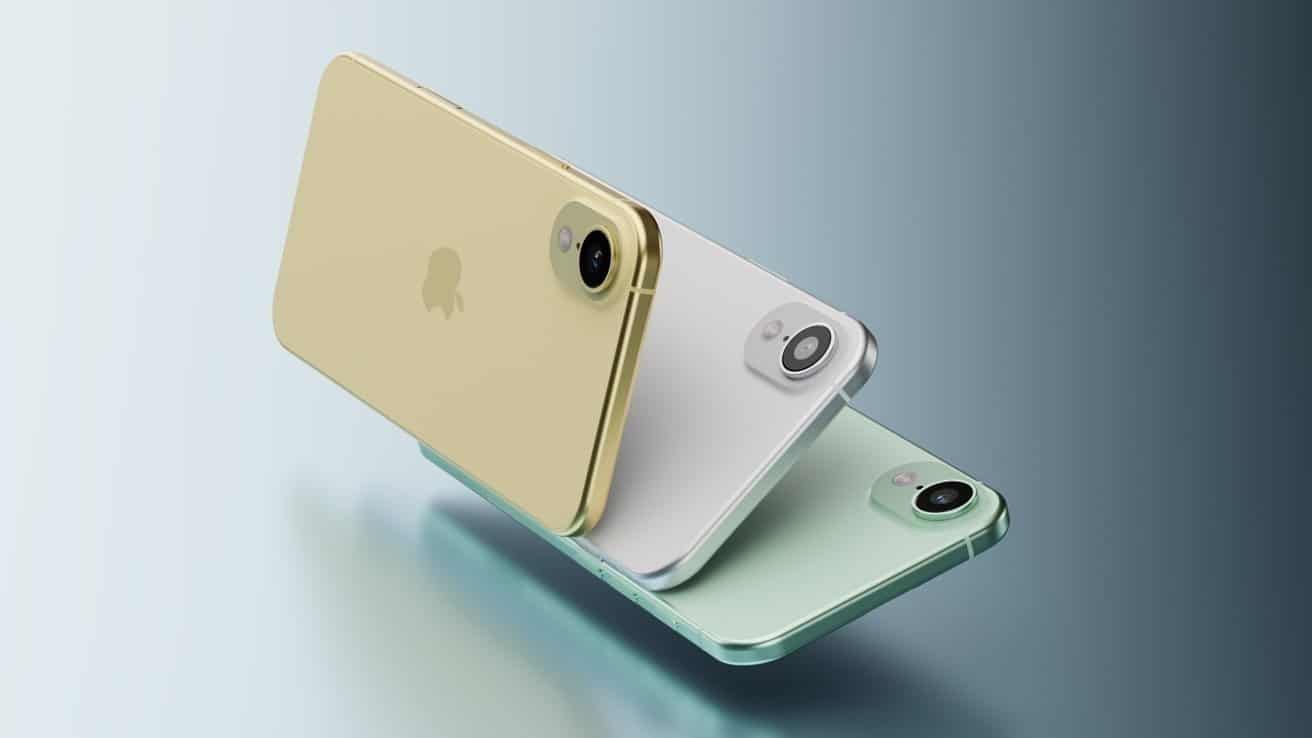
This raises an intriguing question: Could Apple replicate the MacBook Neo’s success in the smartphone market by introducing a more affordable iPhone model, potentially dubbed the iPhone Neo? Such a device could be designed from the ground up to be cost-effective without compromising essential features. For instance, opting for an LCD display instead of OLED could reduce manufacturing costs. Equipping the device with Face ID, a 12MP camera, and a smaller 5.8-inch screen could further streamline production expenses. Additionally, utilizing a slightly older A18 chip instead of the latest A20 could balance performance with affordability.
Maintaining an aluminum and glass construction would ensure the device retains the premium feel associated with Apple’s products. If Apple could price this iPhone Neo at the compelling $399 mark, it might entice a significant number of Android users to transition to iOS, particularly in markets where economic constraints make higher-priced smartphones less accessible.
In the United States, where carrier financing options often mitigate the upfront cost of devices, the price point may be less critical. However, in many international markets, the high cost of iPhones remains a barrier to entry. Introducing a more affordable iPhone could address this issue, expanding Apple’s reach and influence in regions currently dominated by Android devices.
It’s important to note that this proposed iPhone Neo wouldn’t necessarily replace the existing iPhone 18e. Instead, it could complement the current lineup, offering consumers a broader range of choices to suit various budgets and preferences. By adopting a strategy similar to that of the MacBook Neo, Apple has the potential to make a significant impact in the smartphone market, much like it did in the PC market.