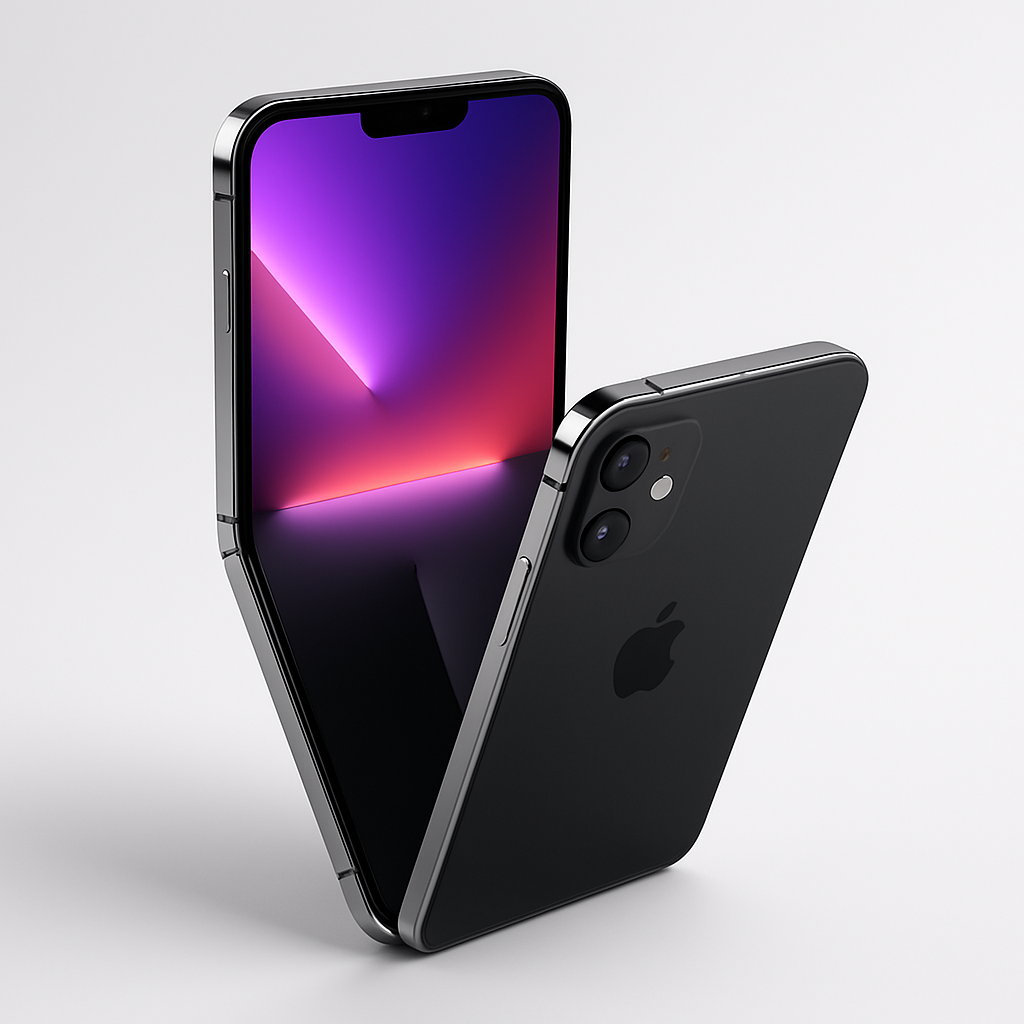
A recent survey indicates that three out of four U.S. adults aren’t interested in purchasing a foldable iPhone. Conducted online by YouGov between August 13–17 with 2,605 respondents, the poll also reveals that most of those who are curious wouldn’t shell out anywhere near the rumored $2,000+ price tag.
Interest Across Generations: Low Across the Board
Generational breakdown shows deep skepticism across the board. Boomers (born 1946–1964) are the least interested, with 83% saying they would pass. Gen X follows at 77%. Younger groups aren’t far behind—69% of Gen Z (1997–2012) and 68% of millennials (1981–1996) likewise said they’d skip a foldable iPhone. While interest is higher among younger people, a solid 25% nationwide still say they’d consider one.
Price Expectations vs. Reality
Respondents expect they’d pay an average of about $781 for a foldable iPhone—less than current entry-level iPhone models. That expectation drops sharply in older generations: Boomers average around $572, Gen X about $690. Gen Z tops the list at $919, with millennials close behind at $859. The gap between that willingness to pay and leaks or rumors of prices north of $2,000 suggests affordability could be the primary barrier.
Impact of Rising Prices & Upgrade Plans
Price sensitivity appears to be altering upgrade behavior broadly. The survey found that 41% of U.S. adults are rethinking their plans to upgrade because of rising device costs. Apple recently attributed its hardware price increases in part to global memory shortages.
Some are taking specific actions: 5% are considering older or cheaper models; 4% might try switching brands; another 4% look to refurbished devices; and 9% say they’ll only upgrade if aided by trade-ins or carrier offers. A further 22% have put upgrades on hold, regardless of what Apple rolls out—especially Boomers.
Broader Context
The foldable smartphone market remains niche despite its growth in recent years, and Apple is expected to enter it later this year with a model tentatively called the “Foldable iPhone” or “iPhone Ultra.” That anticipated device, along with recent hikes in component prices, sets the stage for a product that may stretch what many consumers are willing—or able—to pay.
This isn’t just about one phone. It’s a reflection of how much perceived novelty and premium design can influence demand—and when cost pushes past what people expect, even strong brands can face resistance. Anything Apple does with a foldable will need to hit the sweet spot of price, usability, and perceived value to avoid becoming a curiosity.