On August 10, 2026, Mark Zuckerberg released a comprehensive 6,500-word essay detailing his vision for “personal superintelligence”—advanced AI systems designed to assist individuals in achieving their personal goals. While the concept of personal AI assistants isn’t new, Zuckerberg’s manifesto offers the most detailed insight into Meta’s ambitions in this domain to date.
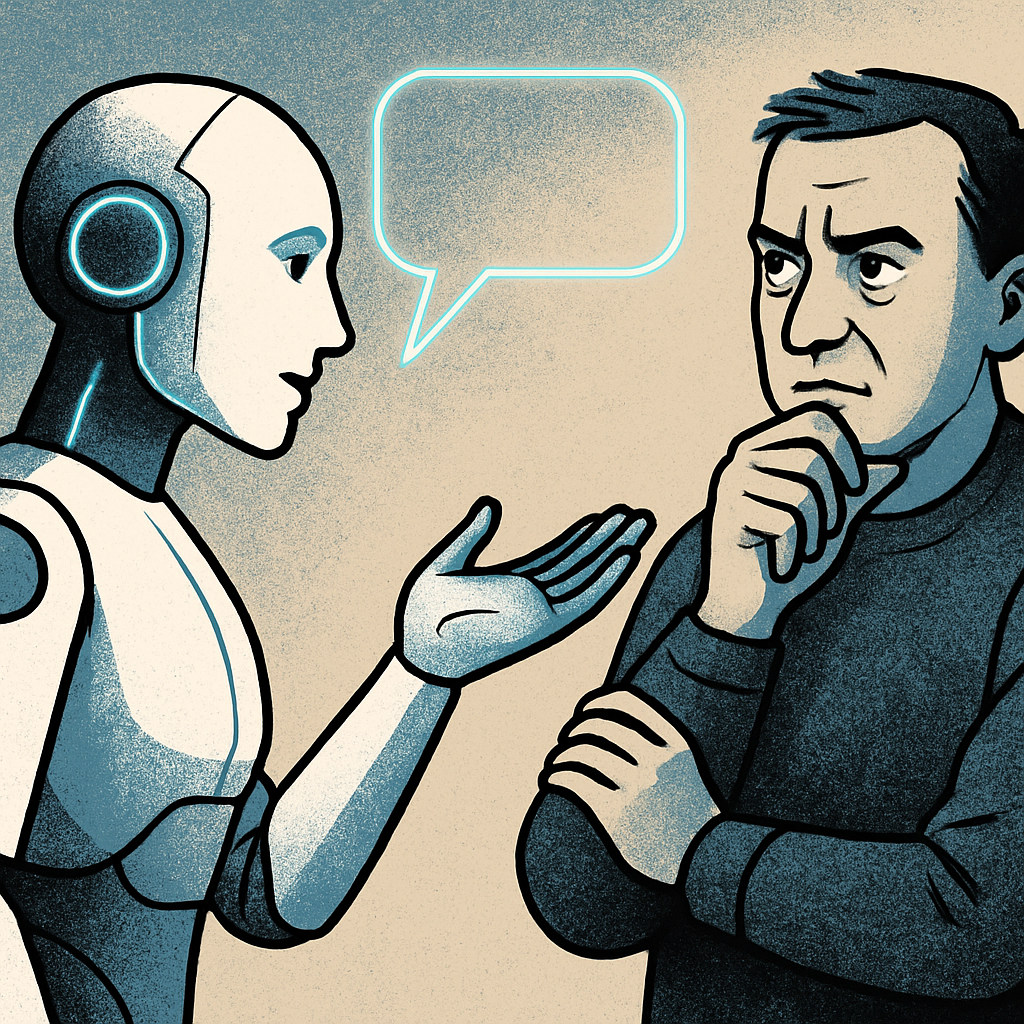
However, the public’s reception of this vision has been mixed. A significant portion of the population remains skeptical about the integration of AI into daily life, viewing it as intrusive and unsettling. This skepticism is rooted in a broader distrust of tech executives’ ability to ensure that emerging technologies, like AI, have a positive societal impact.
One of the primary concerns is the potential for AI to exacerbate existing issues rather than resolve them. For instance, Zuckerberg envisions AI tutors providing personalized education to students. While this could democratize access to quality education, critics worry about the implications of AI-driven learning, such as data privacy concerns and the potential for algorithmic biases.
Moreover, the essay’s optimistic tone about AI’s role in society contrasts sharply with the public’s apprehensions. Many fear that without proper oversight, AI could lead to unintended consequences, including job displacement and the erosion of personal privacy.
In light of these concerns, it’s crucial for tech leaders to engage in transparent dialogues with the public, addressing fears and outlining concrete measures to mitigate potential risks associated with AI deployment. Building trust will be essential for the successful integration of AI technologies into society.