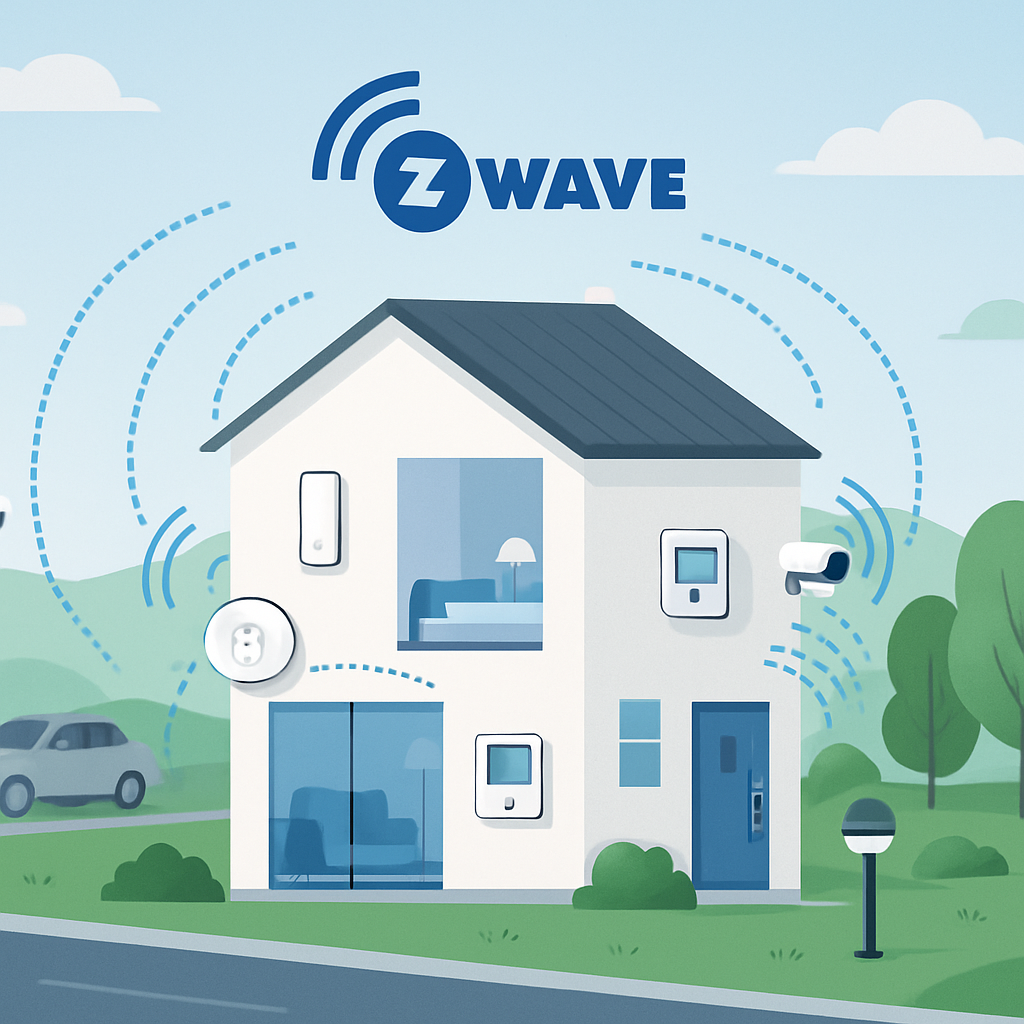
In the rapidly evolving smart home industry, Z-Wave technology remains a pivotal player, offering unique advantages that continue to resonate with consumers and manufacturers alike. Despite the emergence of new standards, Z-Wave’s established ecosystem and recent advancements ensure its ongoing significance.
One of the standout developments is the introduction of Z-Wave Long Range (ZWLR). This enhancement extends the communication range between devices and hubs up to approximately 1.5 miles under optimal conditions. Such an expansion is particularly beneficial for larger properties and multifamily dwellings, addressing previous limitations in device connectivity over extensive areas. As of early 2026, the Z-Wave Alliance reported over 125 certified ZWLR devices in the market, underscoring the industry’s swift adoption of this technology.
Security remains a cornerstone of Z-Wave’s appeal. The protocol’s robust encryption and secure communication channels have been instrumental in mitigating potential vulnerabilities. While no system is entirely immune to threats, Z-Wave’s proactive approach to security has fostered trust among users and developers. This commitment is evident in the protocol’s continuous updates and the Alliance’s emphasis on maintaining high-security standards.
Interoperability is another critical factor contributing to Z-Wave’s enduring relevance. The protocol’s ability to seamlessly integrate with a diverse array of devices and platforms offers consumers flexibility in building and expanding their smart home ecosystems. This compatibility ensures that users are not locked into a single manufacturer’s products, promoting a more inclusive and adaptable smart home environment.
Looking ahead, Z-Wave’s trajectory suggests a sustained presence in the smart home market. The protocol’s adaptability, combined with ongoing innovations like ZWLR, positions it as a resilient and reliable choice for both new adopters and seasoned enthusiasts. As the smart home landscape continues to diversify, Z-Wave’s established infrastructure and commitment to security and interoperability will likely keep it at the forefront of home automation solutions.
In conclusion, while the smart home industry is characterized by rapid technological advancements and the introduction of new standards, Z-Wave’s consistent evolution and adherence to core principles of security and interoperability ensure its continued relevance. For consumers seeking a dependable and flexible smart home protocol, Z-Wave remains a compelling option in 2026 and beyond.