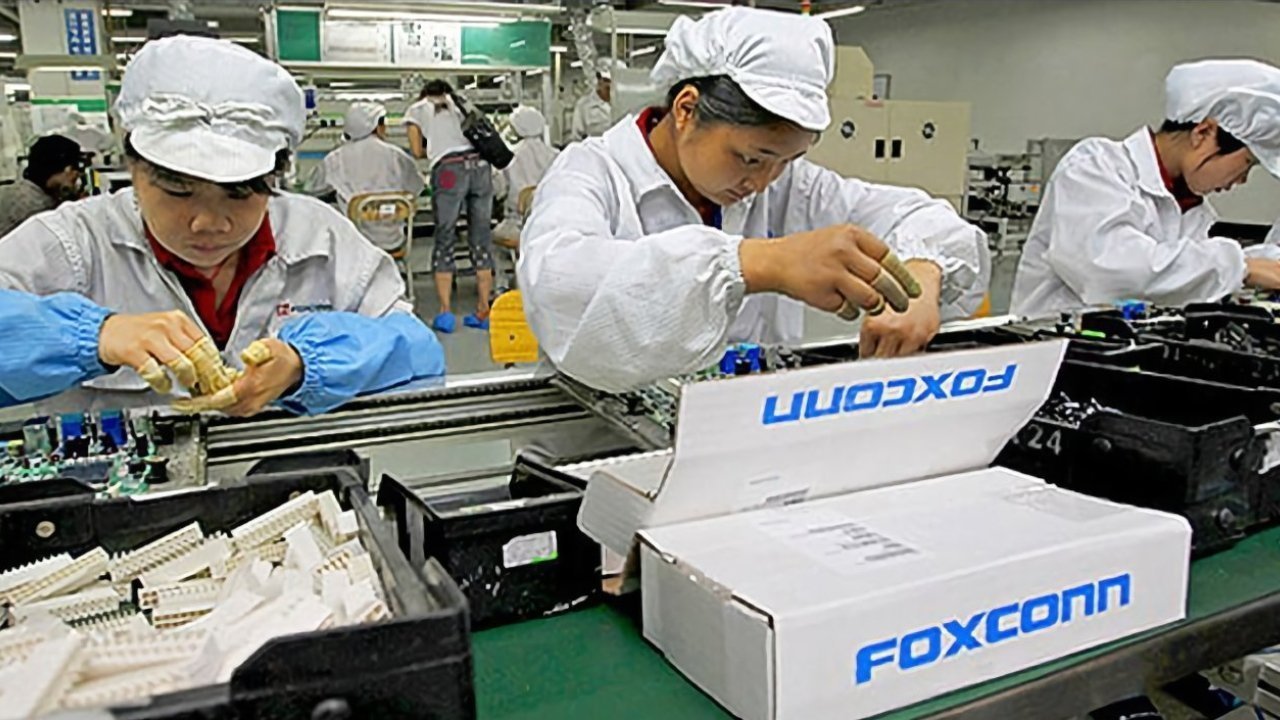
Apple has recently acquired PlasmaSolve, a company specializing in plasma simulation software designed to optimize plasma-based manufacturing processes. This acquisition was disclosed through European Union filings, as Apple is required to report such transactions due to its designation as a ‘Gatekeeper’ under EU regulations.
PlasmaSolve, established in 2016, focuses on creating digital twin models for plasma-powered technologies by integrating physics simulation, chemistry simulation, machine learning, data mining, and material characterization. Their flagship product, MatSight, assists hardware manufacturers in simulating and refining plasma-based processes, such as applying ultra-thin coatings to three-dimensional objects. This capability is particularly relevant for ensuring uniform coatings on devices with complex geometries, like smartphones.
While Apple has not publicly detailed its plans for PlasmaSolve’s technology, the acquisition aligns with the company’s ongoing efforts to innovate in hardware design and manufacturing. Recent product developments, including the introduction of the iPhone Air and the anticipated release of the foldable iPhone Ultra, suggest a strategic emphasis on exploring new materials and form factors. Integrating PlasmaSolve’s expertise could enhance Apple’s ability to implement advanced manufacturing techniques, potentially leading to more durable and aesthetically refined products.
Apple’s history of strategic acquisitions underscores its commitment to enhancing its technological capabilities. For instance, the company previously acquired Q.ai, an Israeli AI startup specializing in interpreting speech through facial micromovements, for nearly $2 billion. This move aimed to bolster Apple’s AI and machine learning initiatives. Similarly, the acquisition of PlasmaSolve indicates a focused investment in refining manufacturing processes to support innovative product designs.
In the broader context, this acquisition reflects a trend among tech giants to internalize specialized technologies to maintain competitive advantages. By bringing PlasmaSolve’s capabilities in-house, Apple can more effectively control and innovate its manufacturing processes, potentially reducing reliance on external suppliers and enhancing product quality.
Looking ahead, it will be interesting to observe how Apple integrates PlasmaSolve’s technology into its manufacturing pipeline. This move could lead to advancements in product durability, design complexity, and overall user experience, reinforcing Apple’s position as a leader in hardware innovation.