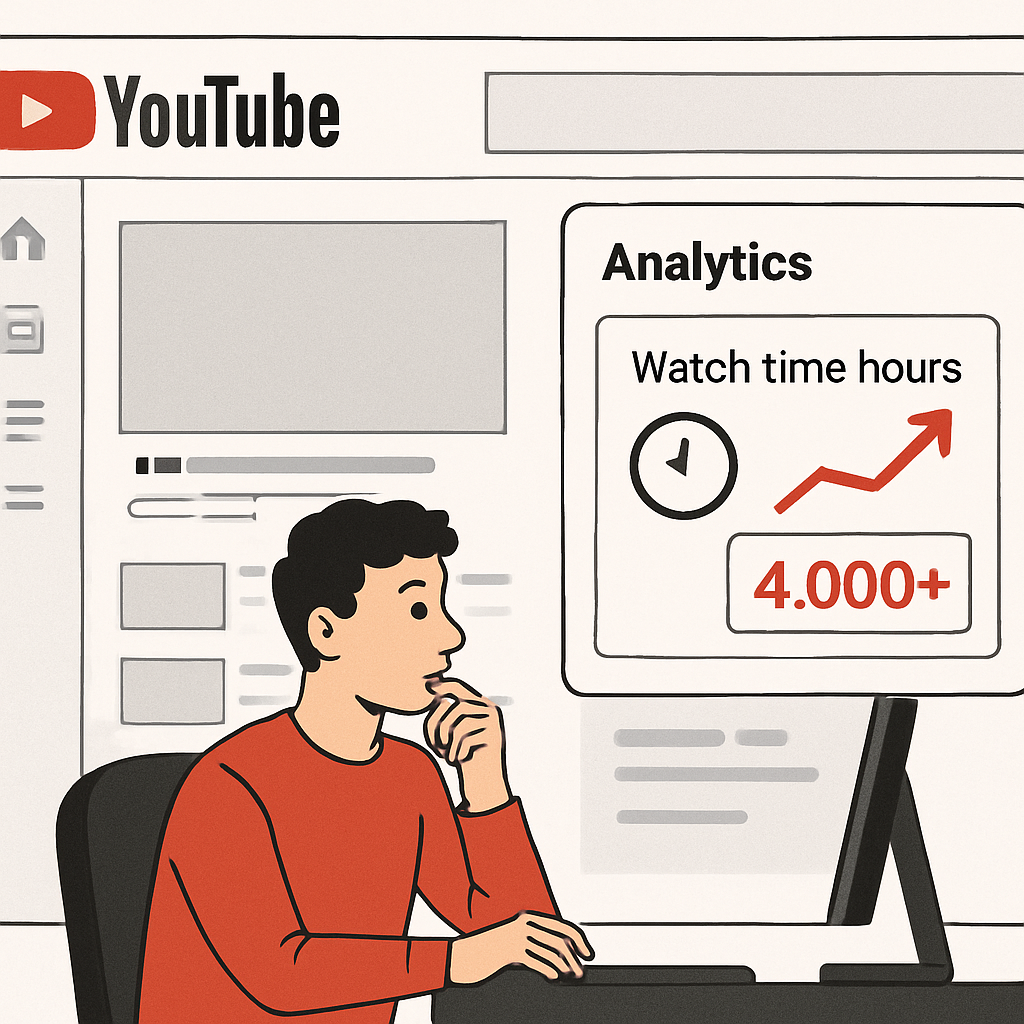
Starting February 1, 2027, YouTube will implement stricter criteria for creators seeking to monetize their content. The platform now requires new applicants to accumulate 8,000 public watch hours over the past 12 months, doubling the previous threshold of 4,000 hours. Alternatively, creators can qualify by achieving 20 million views on Shorts within the last 90 days, up from the prior requirement of 10 million views. The minimum subscriber count remains unchanged at 1,000.
These updated standards will apply exclusively to new applicants of the YouTube Partner Program (YPP). Existing members of the program will not be affected by these changes and can continue monetizing their content under the current guidelines.
In addition to these adjustments, YouTube has introduced a new policy for Shorts creators. To earn revenue through the Shorts Creators Pool, channels must maintain a minimum of 10 million Shorts views over a 90-day period. If a channel falls below this threshold, it will retain its YPP membership and continue earning from long-form content, but Shorts revenue will be paused until the 10 million view mark is reached again.
YouTube attributes these changes to the platform’s rapid growth, noting that it now records over 200 billion daily Shorts views and more than a billion hours of watch time on television each day. By raising the monetization bar, YouTube aims to ensure that creators deliver high-quality content that resonates with substantial audiences.
For aspiring creators, these heightened requirements underscore the importance of building a dedicated viewer base and producing engaging content. While the path to monetization has become more challenging, those who meet these standards may find greater rewards, as YouTube continues to expand its Premium Lite subscription, offering creators a share of subscription revenue based on member watch time and views.
In the evolving landscape of online content creation, these developments highlight the need for creators to adapt and innovate. As platforms like YouTube refine their monetization policies, staying informed and responsive to such changes will be crucial for those aiming to succeed in the digital arena.