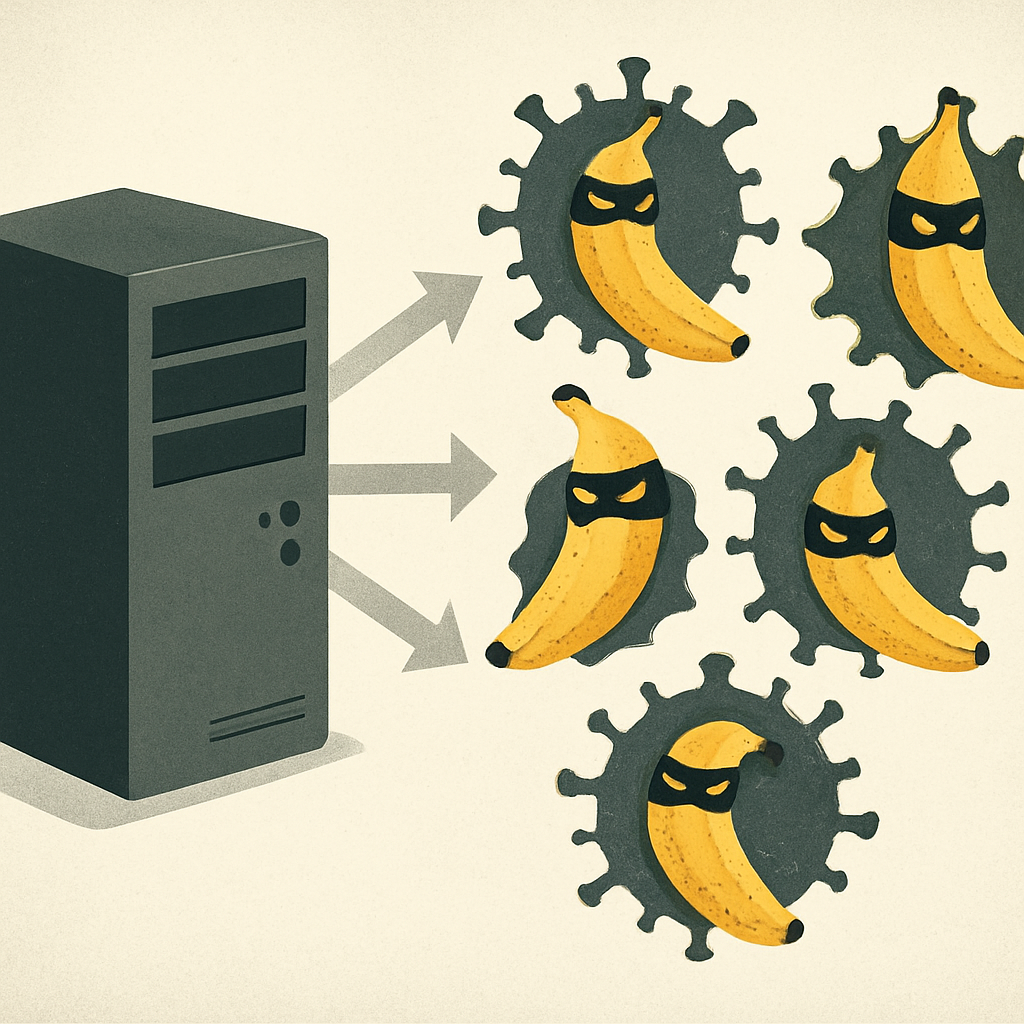
Recent security advisories have uncovered a set of serious vulnerabilities in the Xen hypervisor that break fundamental isolation guarantees between virtual machines. Two of the worst defects allow a malicious or buggy guest OS to either corrupt hypervisor state or access memory belonging to other VMs or even the host. All modern Xen releases are impacted unless patches are applied or risky features disabled.
Main Vulnerabilities Exposed
The security community documented a vulnerability tracked as CVE-2026-62434(XSA-507), which stems from Xen’s Populated on Demand (PoD) feature. When PoD is enabled, a guest OS can reclaim pages that aren’t part of its normal RAM allocation—special pages reserved for hypervisor or system use. Doing so corrupts Xen’s memory management state. This defect can destabilize the system and may enable privilege escalation or information leakage.
A second set of flaws involves the grant-copy mechanism—designed to safely move data between guests through hypervisor mediation. These bugs enable a malicious guest to read and write arbitrary memory belonging to others, up to and including Dom0 (the privileged domain), exposing a complete breakdown of the VM boundary. These vulnerabilities affect all Xen versions from 4.6 onwards.
Who’s Affected & How to Mitigate
All Xen versions from 3.4 onward are vulnerable to the PoD-related issue. The grant-copy weaknesses affect Xen 4.6 and above. For users of Red Hat’s Xen-based distributions, there’s a current determination that CVE-2026-62434does not impact supported Red Hat releases—but that could change with further investigation.
To protect systems, administrators should apply the Xen security advisories released on July 28, 2026, which include patches for both issues. If updating immediately isn’t feasible, disabling PoD or avoiding grant-copy paths are temporary workarounds. Systems running older Xen releases should be upgraded.
Wider Implications
Virtualization isolates workloads to prevent interference or data leakage across tenants. These flaws shatter assumptions that virtual machines—even malicious ones—can’t harm or snoop on others. Especially in cloud or multi-tenant contexts, such weaknesses raise risk beyond individual hosts: attackers could compromise entire clusters, intimidate confidentiality guarantees, and break compliance with zero-trust or least-privilege models.
What this means:Organizations relying on Xen for virtualization must treat these vulnerabilities as critical. Applying updates and disabling risky features are immediate priorities. Clouds, hosting providers, and data centers should audit their Xen configurations—verify if PoD is enabled or if grant-copy operations are exposed—and isolate tenants accordingly. Long-term, this episode underscores that hypervisor security remains a crucial, evolving domain. Monitor whether any proof-of-concept exploits emerge soon, and prepare for cascading impacts if one host is compromised.