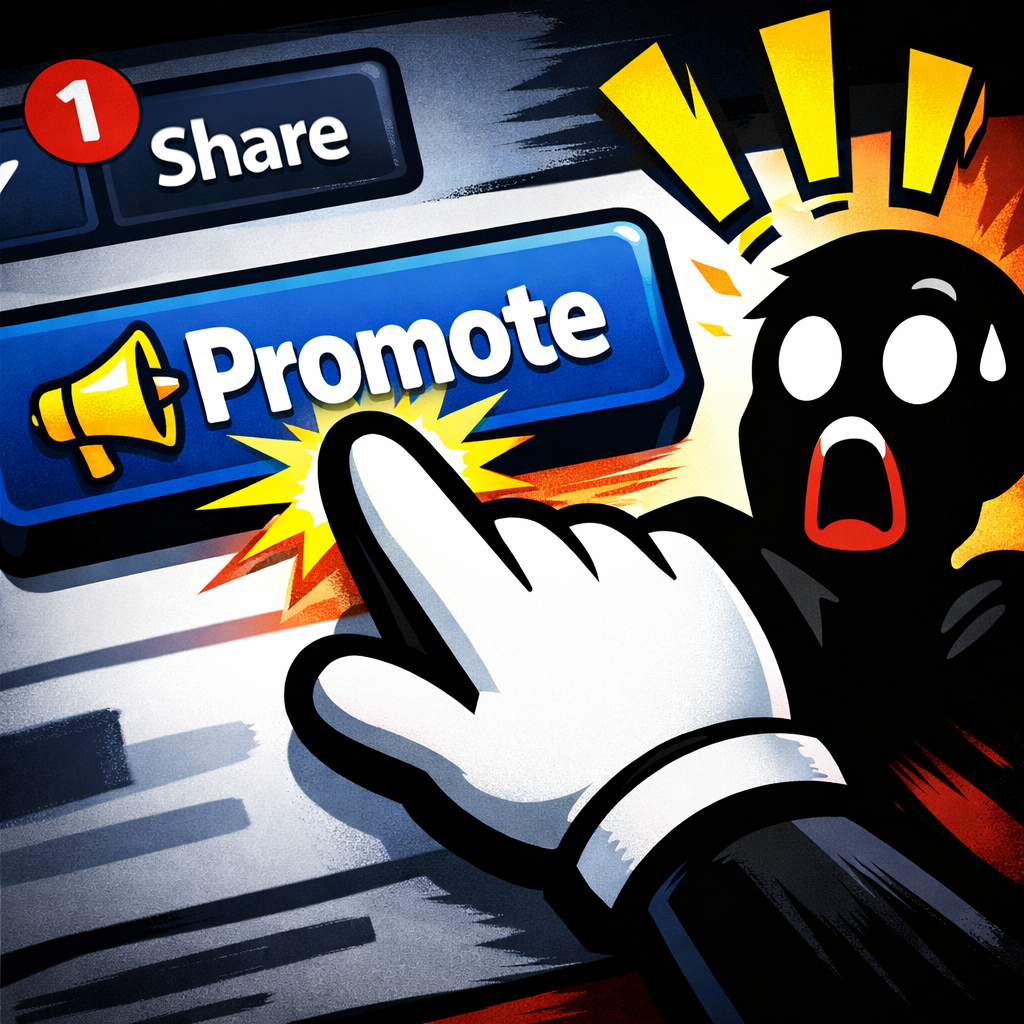
X has introduced a new UI prompt that points users toward its Promoted Posts feature—and it’s ruffling feathers. Over the past day, many have noticed a large pointing hand that appears unexpectedly when composing a post, directing attention to the “Promote” button. While this kind of nudge isn’t unheard of, the timing and presentation have made it especially noticeable—and confusing—for users.
It’s unclear whether the gesture is a seasonal prank or a design decision, but it’s generating discomfort across the platform. For some, the hand is borderline comical; for others, it feels invasive, especially when it appears just as they’re drafting posts. One user remarked on the irony of the hand showing up precisely when they used the phrase “engagement farming.” Others took the visual cue as a bit of a jump scare—something more Halloween than UX improvement.
This shift comes amid leadership changes at X. In August, former head of product Nikita Bier departed after nearly a year in the role. As of late October, Peter Sellis—previously a product lead at Snap and Discord—has taken over product leadership at the company. It’s not yet clear if he’s behind the new gesture. X has been contacted for comment but had not responded as of publication.
The reception to the finger prompt has been far from warm. Users described it using words like “irksome” and “obtrusive.” Some say it feels like pressure to spend money, not just gentle persuasion. Amid concern that UI tricks could backfire, the feature seems to blur lines between user agency and platform monetization.
Why this matters
User interfaces play a key role in shaping behavior—especially when money is involved. As platforms increasingly explore ways to monetize engagement through advertising, they often rely on design nudges—visual cues meant to tip decisions. But these tactics risk eroding trust when they feel too aggressive or misleading.
On one hand, promoting posts is a revenue stream X clearly wants users to use. On the other, pushing too hard may alienate those who don’t want to pay or feel subtly manipulated. The hand prompt touches on that tension: is this simply helpful guidance, or is it an overt sales tactic disguised as UX?
Signaling features like these will likely receive more scrutiny as user experience, monetization, and transparency increasingly clash. As X continues adapting after leadership changes and fresh product visions, it’s reasonable to expect more experiments like this. Users, for their part, will be watching closely—and might push back hard if they feel their experience is being traded for profit.
Ultimately, this isn’t just about a pointing hand—it’s a litmus test of how platforms balance monetization with user respect. The line between persuasion and pressure may be finer than it appears.